California’s coastal communities on alert as biggest waves in years hit state
Source Entity
Alice Nightingale-Smith for MetDesk
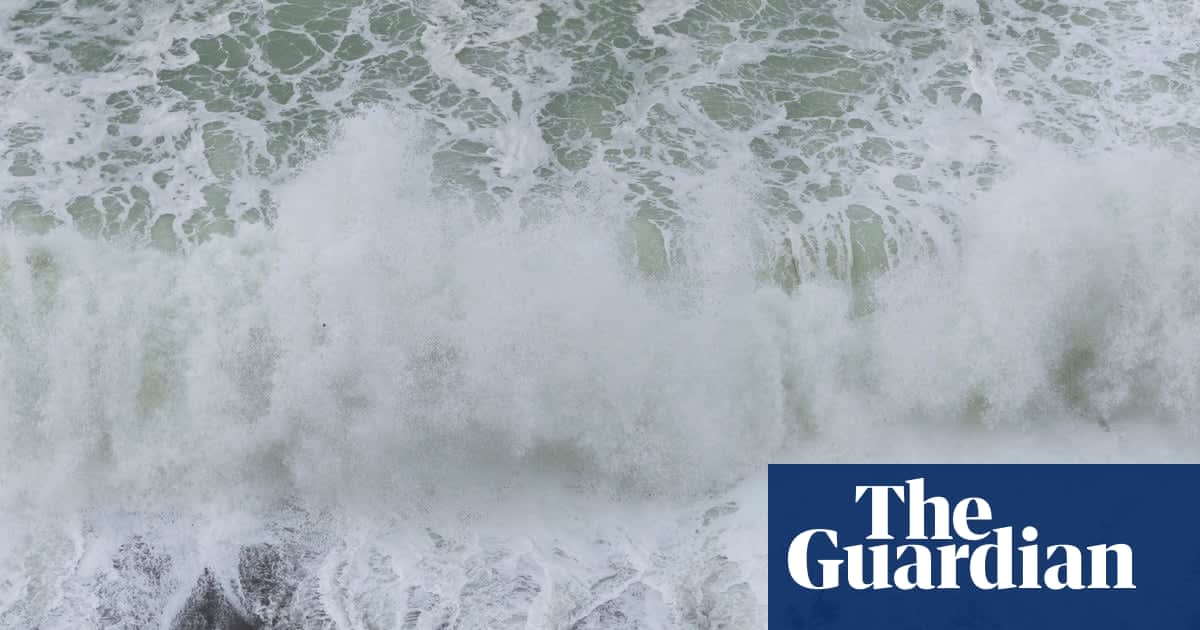
California is facing dangerous coastal conditions as powerful storm-driven swells create record-breaking waves. Authorities have closed beaches and issued extended hazard warnings to protect residents from 20-30ft+ surges.
California Braces for Historic Coastal Surge
Coastal communities across California are currently under high-alert status as a series of intense low-pressure systems have funneled powerful swells toward the West Coast. These atmospheric conditions have resulted in dangerous maritime environments, prompting local authorities to shutter piers and beaches to prevent casualties. The sheer force of these waves, which have reached heights exceeding 30 feet, underscores the volatile nature of Pacific storm systems and their immediate impact on infrastructure.
Record-Breaking Meteorological Data
The severity of this event is underscored by data from the National Oceanic and Atmospheric Administration (NOAA). Offshore buoys recently captured wave heights that represent a generational anomaly; specifically, the Monterey buoy registered a wave height of 34.1 feet. According to historical records, this measurement marks the highest reading in three decades, highlighting the unusual intensity of the current Pacific storm cycle.
The Mechanics of the Surge
These massive swells are the direct result of persistent low-pressure systems operating in the Pacific. As these systems track across the ocean, they transfer significant kinetic energy into the water, creating deep-ocean waves that grow in size and power as they approach the shallower coastal shelf of California. This process, known as shoaling, causes the wave energy to compress, leading to the massive breaking waves currently impacting San Luis Obispo and Santa Barbara counties.
Infrastructure and Public Safety Risks
The closure of piers and public beaches is a necessary measure to mitigate the risks posed by these waves. When waves of 18-22 feet—or even higher—impact the coastline, they carry significant destructive potential for infrastructure. Coastal erosion, pier damage, and the threat of sneaker waves (rogue surges that reach much further inland than expected) pose a substantial danger to anyone near the shoreline. The extension of hazard warnings through Friday night reflects the sustained nature of this weather event.
Future Trends and Climate Implications
While individual weather events cannot always be attributed directly to long-term climate change, scientists have noted that warmer ocean temperatures can contribute to more energetic storm systems. As California continues to face these volatile coastal conditions, urban planners and emergency management agencies must increasingly prioritize coastal resiliency. The ability to forecast these swells with high accuracy, as seen with the current NOAA warnings, will be vital for protecting coastal populations in the future.
Conclusion
The current situation in California serves as a stark reminder of the power of the Pacific Ocean. With wave heights reaching levels not seen in 30 years, the state is effectively managing a significant meteorological hazard. Residents are urged to heed the warnings of local officials and avoid coastal areas until the storm systems dissipate and the ocean returns to more stable conditions.