Candace Owens fires back at Blake Neff after Erika Kirk’s Idaho event sparks ‘dishonesty’ row: ‘students were forced’
Source Entity
Latest News: Todays Latest News Headlines from India & World | Hindustan Times | Hindustan Times
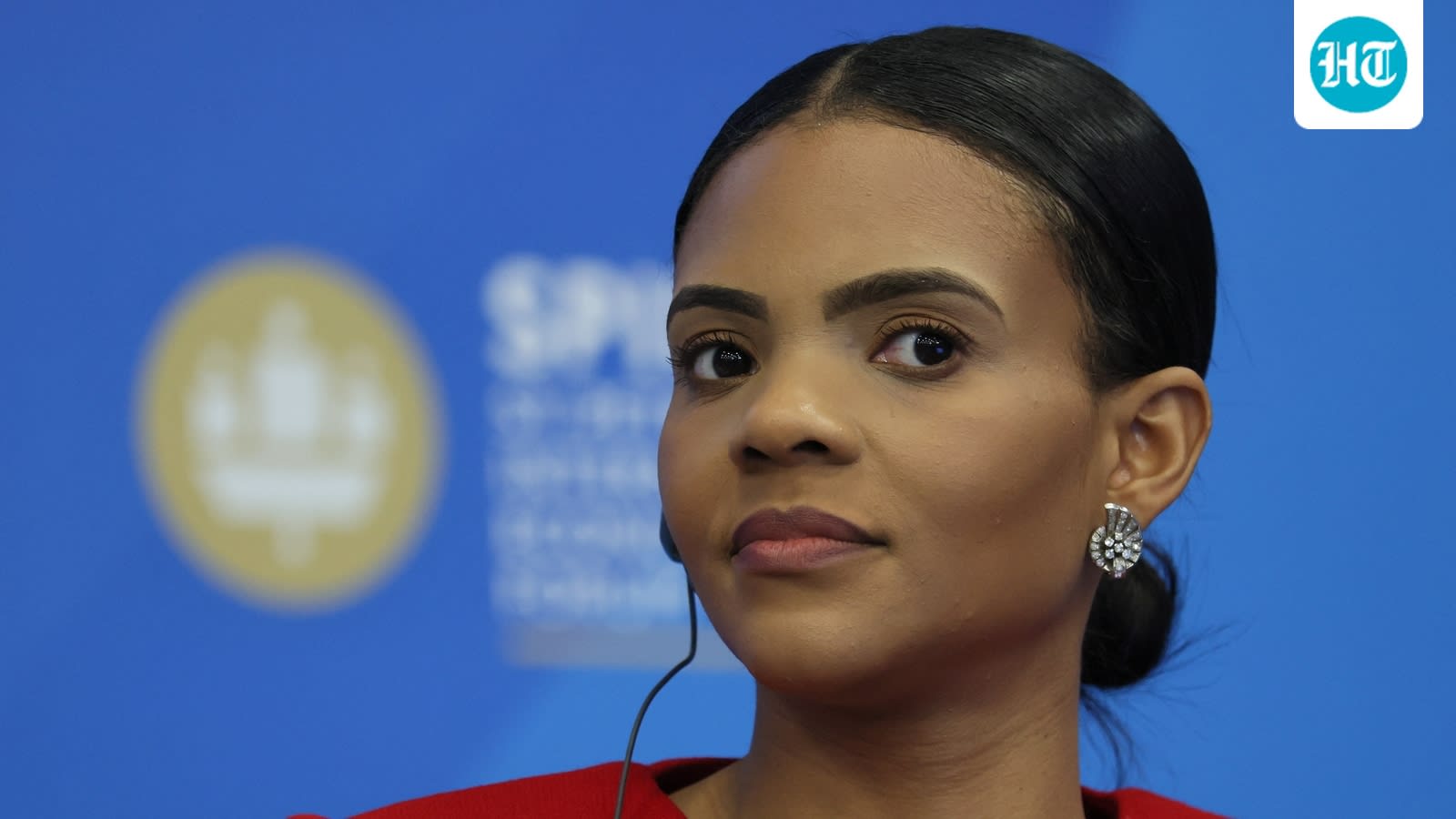
Conservative commentator Candace Owens and Turning Point USA (TPUSA) are embroiled in a dispute over whether a student assembly at Nampa Christian School was mandatory. The conflict highlights differing accounts regarding student attendance and the nature of the event featuring Erika Kirk.
The Controversy at Nampa Christian School
The recent public disagreement between conservative commentator Candace Owens and representatives from Turning Point USA (TPUSA) regarding an event at Nampa Christian School has brought the issue of student autonomy and organizational transparency to the forefront. At the center of the debate is an assembly featuring Erika Kirk, which has sparked a narrative battle over whether the student body was given a genuine choice to attend or if the session was effectively mandatory.
The Nature of the Disagreement
Candace Owens has publicly challenged the framing of the event, asserting that students were not adequately informed of their right to opt out of the assembly during the school day. Her contention suggests that the lack of clear communication created a coercive environment, which she believes constitutes a form of dishonesty in how the event was presented to the student body. This perspective emphasizes the vulnerability of students in institutional settings where attendance at assemblies is often perceived as compulsory.
Conflicting Accounts of Attendance
In response to Owens’ claims, TPUSA spokesman Andrew Kolvet has provided a starkly different account of the proceedings. According to Kolvet, the event was not a mandatory school assembly but rather a voluntary function under the banner of Club America. He maintains that students were explicitly free to opt out, noting that three students did choose to abstain while approximately 500 others attended. This discrepancy in the reporting of facts highlights the difficulty in establishing a singular narrative when organizational protocols and individual student experiences diverge.
The Role of Parental Intervention
Adding another layer of complexity to the narrative is the role of parents in the situation. Owens has suggested that parents were compelled to intervene and remove their children from the school environment only after being contacted by students who felt uncomfortable with the assembly’s format or content. This highlights a broader trend in educational discourse where the lines between extracurricular activities and school-sanctioned programming become increasingly blurred, leading to friction between third-party organizations and the parental community.
Broader Implications for Student Organizations
This incident serves as a case study for the challenges faced by student-focused political or advocacy groups operating within private educational institutions. When organizations like TPUSA host events, the distinction between a 'Club' event and an 'Assembly' is critical for maintaining institutional trust. The confusion surrounding the Nampa Christian School event suggests that clear, pre-event communication is essential to prevent allegations of coercion and to ensure that participation remains truly voluntary.
Future Outlook and Conclusion
As political discourse continues to infiltrate educational environments, the scrutiny applied to student assemblies will likely intensify. The disagreement between Owens and TPUSA underscores the necessity for rigorous transparency in how such events are organized and marketed to students. Moving forward, institutions and guest organizations may need to adopt more robust disclosure practices to avoid similar public disputes, ensuring that student and parental consent is both informed and unambiguous.
Verification Required?