Rice is amber, chips are red: What the ‘carbohydrate traffic light system’ means for your plate
Source Entity
The Indian Express
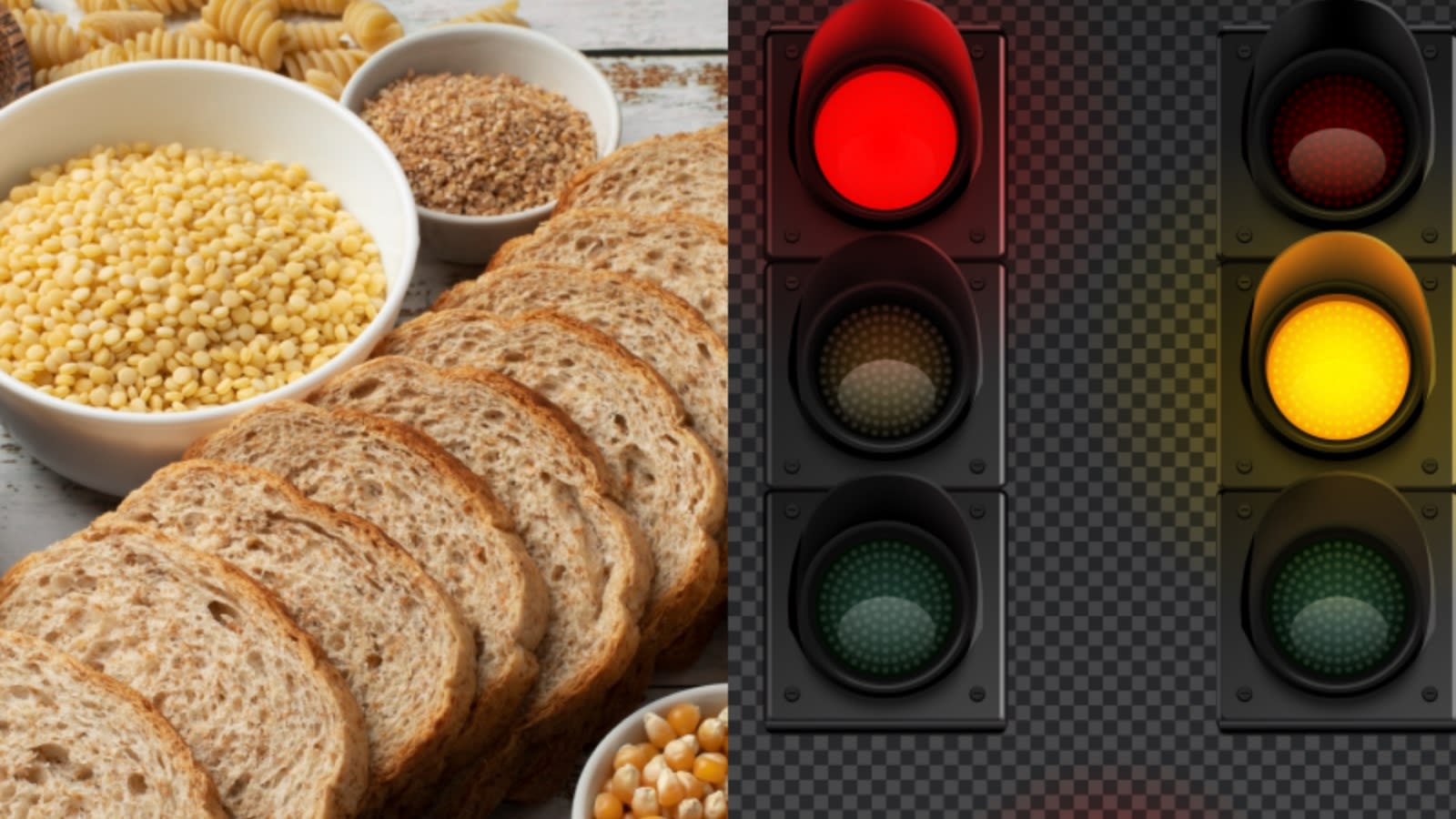
Nutritionist Pooja Jaiswal has introduced a 'carbohydrate traffic light system' to help people categorize foods based on their nutritional value. The method serves as a guide for balanced eating rather than strict elimination, focusing on portion control and meal timing.
Understanding the Carbohydrate Traffic Light System
In a recent educational outreach, nutritionist Pooja Jaiswal has utilized a 'traffic light' analogy to simplify the complex landscape of carbohydrate consumption. By categorizing foods into green, amber, and red zones, Jaiswal aims to provide a visual heuristic that helps individuals make informed dietary choices without the need for restrictive, unsustainable fad diets.
Breaking Down the Color-Coded Categories
The system functions as a intuitive guide:
- Green (Go): Includes nutrient-dense options like vegetables, fruits, and legumes, which are typically high in fiber and micronutrients.
- Amber (Caution): Comprises foundational grains such as rice, wheat, and millets, which provide necessary energy but require mindful consumption.
- Red (Stop/Limit): Identifies ultra-processed carbohydrate-rich items like biscuits and chips, which are generally associated with lower nutritional density and higher glycemic impact.
Beyond the Color: The Role of Portion and Preparation
While the color coding offers a starting point, experts like Consultant Dietician Kanikka Malhotra emphasize that the system is not a rigid rulebook. The efficacy of this approach relies heavily on portion sizes. Consuming a 'green' food in excessive quantities can still lead to caloric surpluses, while the way a grain is prepared—such as choosing whole wheat over refined flour—can significantly alter its physiological impact.
Glycemic Impact and Meal Timing
An essential takeaway from this framework is that the color assigned to a food is not the sole determinant of its effect on blood sugar. Factors such as the combination of macronutrients in a meal (pairing carbohydrates with proteins or healthy fats) and the timing of food intake are critical. These variables can modulate the speed at which glucose enters the bloodstream, potentially softening the 'spike' associated with amber-coded carbohydrates.
Broader Implications for Metabolic Health
This initiative reflects a growing trend in clinical nutrition toward 'informed moderation' rather than total exclusion. By teaching the public how to navigate carbohydrate quality, practitioners like Jaiswal and Malhotra are addressing the prevalence of metabolic syndrome and insulin resistance by fostering a more sustainable relationship with food, rather than encouraging the fear of specific food groups.
Conclusion: A Tool for Long-Term Wellness
The traffic light system serves as a practical, accessible framework for dietary management. By prioritizing fiber-rich 'green' foods and exercising caution with processed 'red' items, individuals can better manage their blood sugar levels. Ultimately, the system succeeds by promoting mindfulness and structural awareness, empowering consumers to build a balanced diet tailored to their unique metabolic needs.