Census 2027: Can private teachers or citizens be forced to do Census duty?
Source Entity
Deeptiman Tiwary
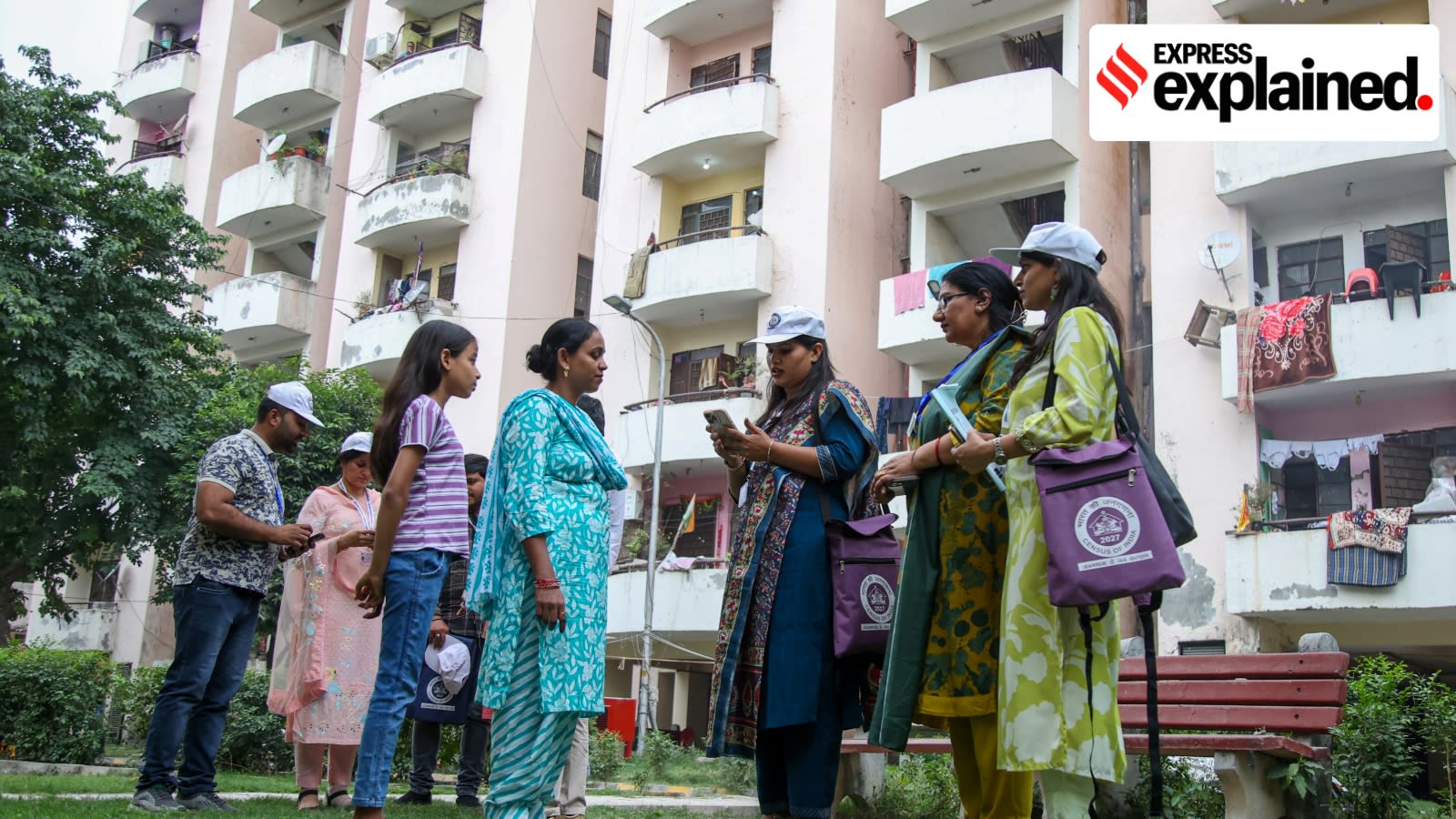
The Centre has amended the 1990 Census Rules to explicitly include private school teachers and private sector employees as potential census enumerators. While this formalizes existing broad powers, it raises significant questions regarding the scope and implementation of mandatory civic duties in India.
The Evolution of Census Enumeration: Understanding the 2027 Amendments
On October 16, the Indian government introduced significant amendments to the Census Rules, 1990, aimed at expanding the pool of personnel eligible for census enumeration duties. By explicitly naming teachers from aided and unaided private educational institutions, as well as officials from banks, companies, and trusts, the government is signaling a shift toward a more inclusive, albeit potentially contentious, approach to data collection for the upcoming 2027 Census.
Clarifying the Legal Framework
Historically, the state has relied heavily on government school teachers to conduct the decennial headcount. However, the recent legislative move formalizes the inclusion of the private sector. By codifying these roles, the government seeks to mitigate the logistical strain traditionally placed on public sector employees, ensuring a wider administrative net is cast to capture the demographic complexities of a rapidly growing nation.
The 'Any Person' Clause: A Broad Mandate
Despite the specific inclusion of private educators and bank officials, the amendment notably retains the catch-all provision allowing the government to appoint "any person" deemed suitable for the task. This phrasing, which existed prior to the amendment, serves as a legal safety valve. Critics and legal scholars argue that such broad language grants the state expansive authority, effectively making census duty a potential civic obligation for a vast swathe of the citizenry, regardless of their professional background.
Administrative Implications and Challenges
Integrating private sector employees into a state-led bureaucratic exercise presents unique operational challenges. Unlike government officials who are accustomed to administrative directives, private sector personnel may face conflicts with their primary employers. The government will likely need to establish clear guidelines on compensation, leave, and training to ensure that non-state actors can perform these duties with the same degree of accuracy and integrity expected of traditional enumerators.
Future Trends in Data Collection
Looking toward 2027, this amendment reflects the government's recognition that the scale of the Indian population requires a more flexible workforce. As India modernizes its data collection methods, the ability to mobilize diverse sectors of society will be crucial. This move may set a precedent for how the state leverages human resources during national exercises, shifting away from a purely public-sector reliance toward a public-private hybrid model of administration.
Conclusion
While the amendment ostensibly clarifies the eligibility criteria for census enumerators, it also underscores the enduring breadth of the state's power to enlist citizens for national duties. As the 2027 Census approaches, the effectiveness of this policy will depend on the government's ability to balance its need for a massive workforce with the logistical and legal realities of involving private entities in the democratic process.