Delhi traders urge Rahul Gandhi to postpone INDIA bloc's anti-SIR rally, fear ₹10,000 crore loss
Source Entity
Latest News: Todays Latest News Headlines from India & World | Hindustan Times | Hindustan Times
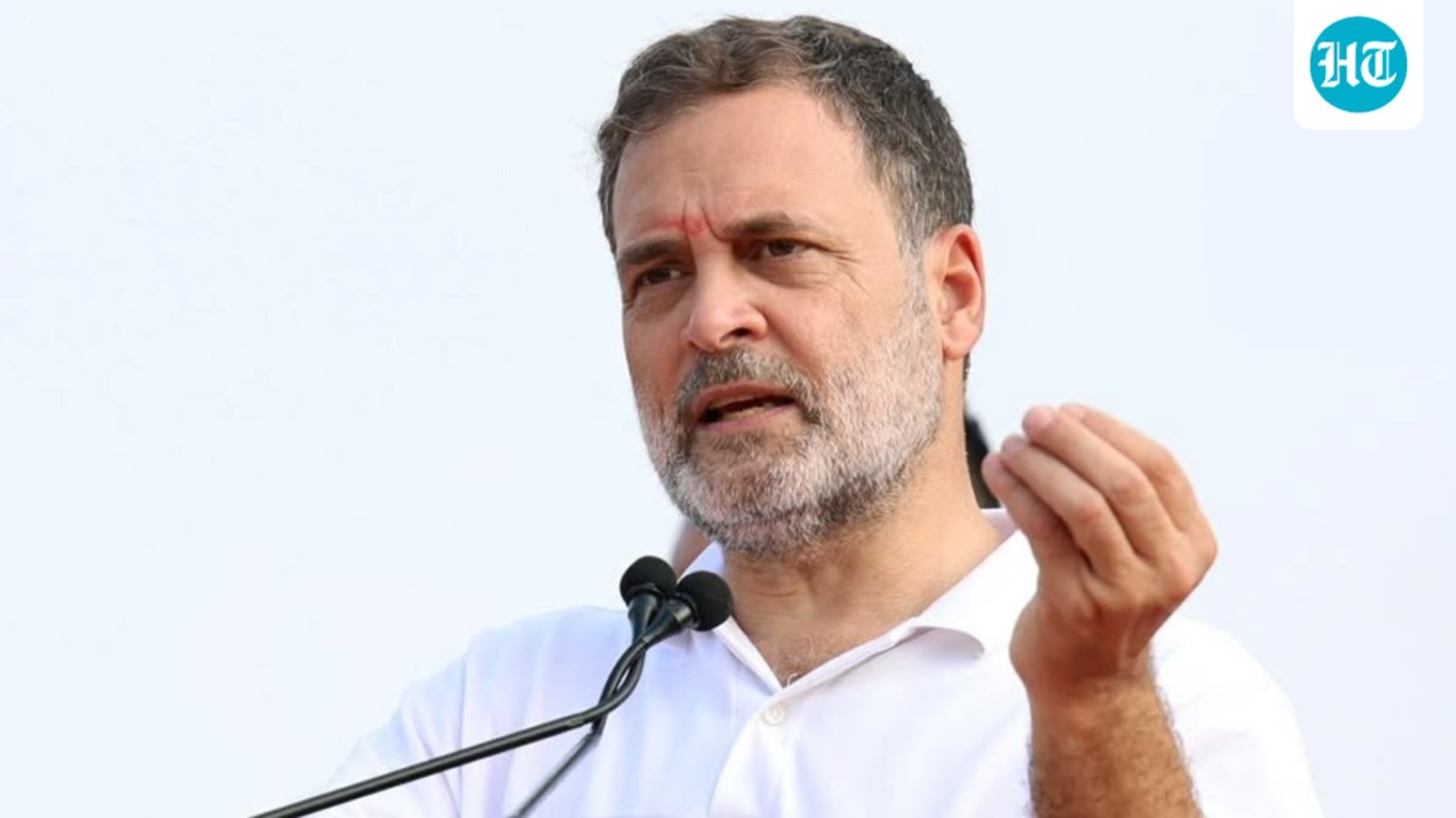
The Chamber of Trade and Industry has requested Rahul Gandhi to postpone the INDIA bloc's November 1 rally in Delhi to avoid disrupting peak festive trade. Traders fear the protest could cause a ₹10,000 crore loss during the critical shopping period leading up to Dhanteras and Deepavali.
Economic Stakes of the INDIA Bloc Rally
The Chamber of Trade and Industry (CTI), led by Chairman Brijesh Goyal, has officially appealed to Leader of the Opposition Rahul Gandhi to reschedule the INDIA bloc’s planned November 1 rally at Delhi’s Ramlila Maidan. The protest, intended to oppose the Special Intensive Revision (SIR) of electoral rolls and current election commission leadership, has collided with the most critical commercial window for Delhi’s retail and wholesale sectors: the pre-Deepavali shopping rush.
The Financial Impact of Festive Disruption
According to CTI, the economic implications of holding a major political demonstration during this period are profound. Delhi’s markets witness a staggering ₹25,000 crore in business activity during the festive season, spanning sectors such as electronics, automobiles, precious metals, and textiles. By requesting a postponement until after November 10, the CTI aims to protect a projected ₹10,000 crore worth of trade that could be jeopardized by crowd control measures, security cordons, and the resulting traffic gridlock surrounding the Ramlila Maidan area.
Historical Context of Trade Losses
The urgency behind the CTI’s request is rooted in recent experiences. Traders have noted that previous political protests, such as the demonstration on October 10, resulted in estimated business losses of approximately ₹2,000 to ₹3,000 crore. The cumulative effect of these disruptions creates a significant burden on small and medium-sized enterprises that rely heavily on the high-volume footfall associated with Dhanteras, which falls on November 6 this year.
The Balancing Act: Protest vs. Commerce
This conflict highlights the ongoing tension between the democratic right to protest and the logistical realities of a dense urban center like Delhi. The INDIA bloc's 'Delhi Chalo March' targets sensitive political issues, but the location—a 5-km radius encompassing major wholesale and retail hubs—places the political agenda in direct competition with economic survival for thousands of traders. The CTI’s intervention serves as a reminder that political rallies often carry hidden costs that ripple through the local economy.
Future Trends and Outlook
Looking forward, this situation underscores the growing need for a coordinated framework between political organizations and local trade bodies. As Delhi continues to struggle with the dual pressures of political activism and maintaining its status as a commercial hub, future protest planning may require more granular negotiations regarding venue and timing to mitigate economic damage. Whether the INDIA bloc adjusts its schedule will be a litmus test for how political parties balance their mobilization efforts with the economic health of the capital’s merchant community.
Multiple Citing Sources
Verification Required?