Kashmir professor removed for ‘harassing’ students
Source Entity
NASEER GANAI
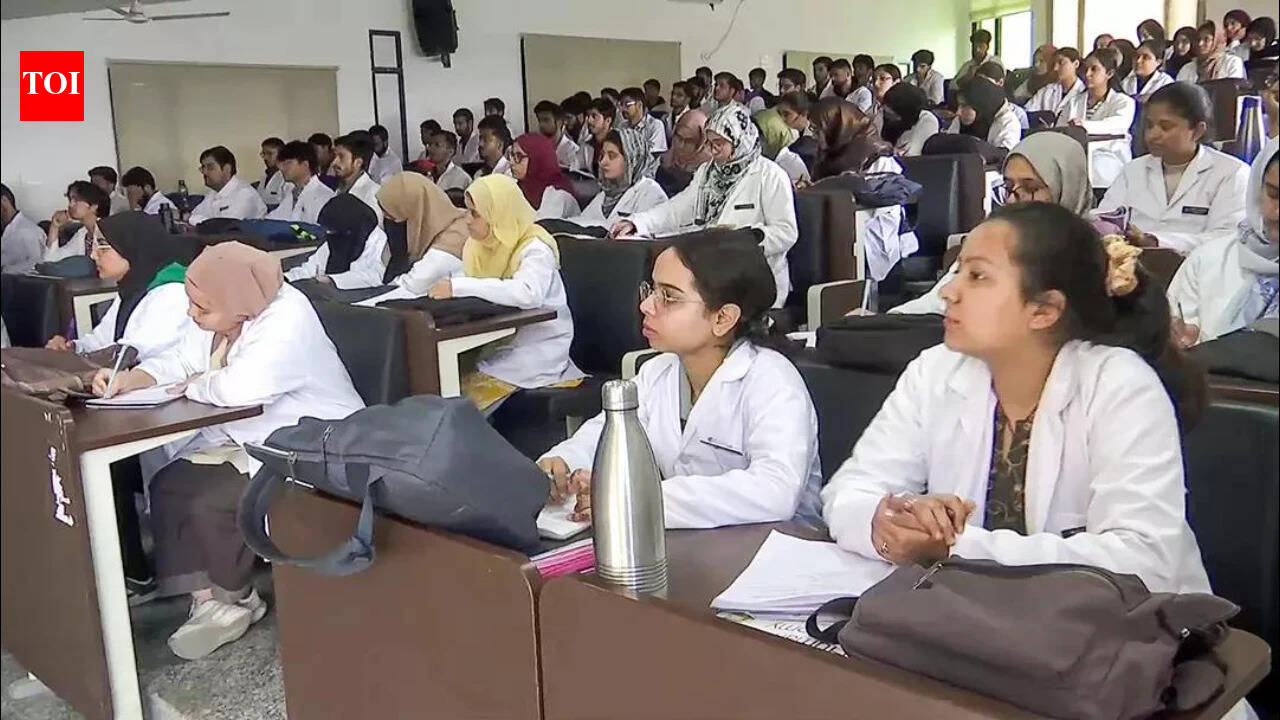
The Central University of Kashmir has removed the head of its chemistry department, Chinnappan Baskar, following allegations of harassment by female students. An official inquiry is underway, and the professor has been reassigned pending the investigation's outcome.
Institutional Response to Misconduct Allegations
The Central University of Kashmir has taken decisive administrative action by removing Chinnappan Baskar, the head of the chemistry department, following serious allegations of harassment leveled by female students. The situation escalated when students reported that Baskar had allegedly used inappropriate language and, in at least one instance, extended a personal invitation for a “date” to a student. This breach of professional conduct has triggered immediate institutional intervention to maintain the sanctity of the academic environment.
Administrative Measures and Immediate Reassignment
Following the formal complaints, the university administration moved swiftly to separate Baskar from his departmental responsibilities. An official order confirmed that he has been “attached with the office of dean (academic affairs) with immediate effect” and stripped of all official assignments. This administrative maneuver is a common procedural step in academic institutions to ensure that the accused party does not influence the ongoing internal inquiry or have continued access to the students involved in the case.
The Role of University Leadership
Registrar Nisar Ahmad Mir played a pivotal role in de-escalating the situation by engaging directly with the protesting students. By publicly addressing the grievances, Mir aimed to restore confidence in the university’s disciplinary mechanisms. He emphasized the necessity of reporting any instances of inappropriate or offensive language immediately, signaling a zero-tolerance policy toward behavior that undermines the student-teacher relationship.
Broader Implications for Academic Integrity
This incident highlights the critical importance of robust internal grievance redressal systems within higher education institutions. When power dynamics between faculty and students are abused, it not only harms the individual victims but also erodes the trust necessary for a functional academic ecosystem. The university's decision to prioritize the students' safety over the professor's tenure serves as a reminder that institutional reputation is inextricably linked to the protection of its student body.
Transparency and Due Process
The ongoing inquiry will be the defining factor in how this case is ultimately resolved. It is essential for the university to conduct a transparent, fair, and prompt investigation to ensure that the findings are credible. By maintaining a clear separation between the accused and the department during this period, the administration is attempting to balance the principles of natural justice with the urgent need to protect the students who have come forward.
Conclusion
The removal of Chinnappan Baskar from his leadership post at the Central University of Kashmir reflects a growing awareness of the need for accountability in Indian higher education. As the investigation progresses, the institution must remain committed to its stated goal of maintaining a safe environment. Future trends in university administration will likely see an increase in mandatory conduct training and clearer reporting pathways to prevent such incidents from recurring, ensuring that educational spaces remain focused on academic excellence rather than personal misconduct.