Uttarakhand Voter Count Drops By 8 Lakh In Final Electoral Roll
Source Entity
NDTV News Search Records Found 1000
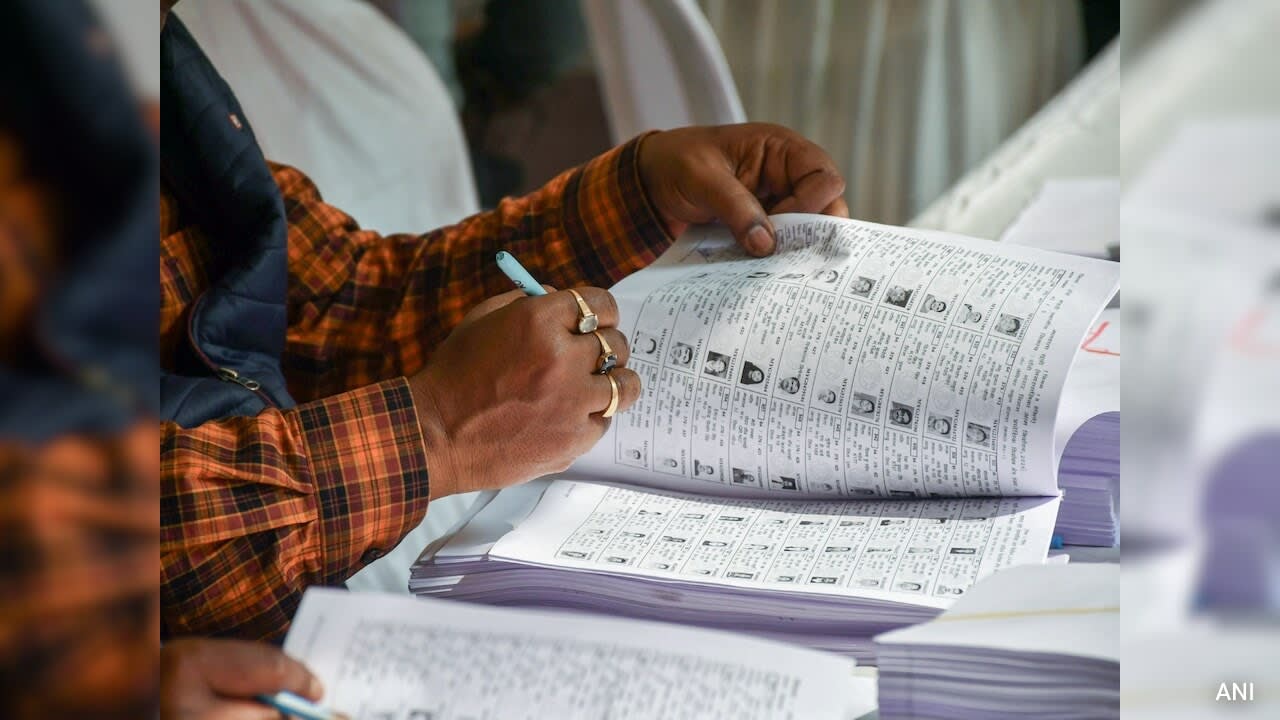
Voter roll discrepancies have sparked concern in Uttarakhand and Bengaluru, with thousands of names deleted or manipulated. Election authorities are launching special drives to restore eligible voters to the lists following public outcry and legal action.
Integrity of Electoral Rolls Under Scrutiny
The robustness of democratic processes relies heavily on the accuracy of electoral rolls. Recent developments in Uttarakhand and Karnataka highlight systemic vulnerabilities in the management of these vital documents. In Uttarakhand, the publication of the final electoral roll following a Special Intensive Revision (SIR) has triggered significant concern, as nearly nine lakh names were removed, resulting in a 10% decline in the total number of registered voters.
The Uttarakhand Situation: A Post-Revision Correction
The SIR process in Uttarakhand, which concluded on October 3, 2026, saw the state’s voter count drop from approximately 79.60 lakh to 71.59 lakh. While the state added 1,29,872 new voters, the massive scale of deletions prompted the Election Commission of India (ECI) to intervene. Recognizing the potential for disenfranchisement, the ECI has mandated a special drive across 20 states and Union Territories. Booth Level Officers (BLOs) are now tasked with comparing the pre-SIR rolls with the current list to identify and reinstate eligible voters who may have been erroneously removed.
Allegations of Malpractice in Bengaluru
Parallel to the administrative challenges in Uttarakhand, Bengaluru is grappling with allegations of active manipulation. The Vyalikaval police have registered an FIR following a complaint by Congress leader Anoop Iyengar, specifically concerning Polling Station No. 157 in the Malleswaram constituency. The complaint alleges that 778 voter entries were manipulated using Form-7 applications—the official mechanism for requesting the deletion of a name from the electoral roll—even for individuals who had previously cast their votes.
Legal Implications and Procedural Concerns
The FIR in Bengaluru, registered under various sections of the Bharatiya Nyaya Sanhita (BNS) 2023, underscores the gravity of the allegations. By weaponizing Form-7 to remove legitimate voters, the perpetrators allegedly sought to alter the demographic profile of specific polling stations. This legal development signifies a shift toward criminalizing administrative irregularities that threaten the sanctity of the electoral process.
Broader Implications for Indian Democracy
The dual nature of these issues—administrative errors in Uttarakhand and suspected malicious intent in Bengaluru—presents a complex challenge for the ECI. The 'uncollectable (ASDD)' category, often cited in mass deletions, is becoming a focal point for electoral reform. As the ECI directs states to verify deletions, the focus must remain on transparency and accountability to ensure that no eligible citizen is denied their fundamental right to vote due to bureaucratic oversight or intentional fraud.
Future Trends and Conclusion
Moving forward, the ECI will likely face increased pressure to digitize and audit the Form-7 submission process to prevent bulk deletions. The ongoing special drives in Uttarakhand and the police investigation in Bengaluru serve as critical case studies for election management bodies. Ensuring that electoral rolls are both inclusive and accurate remains the primary hurdle for maintaining public trust in the Indian electoral system as it prepares for future democratic exercises.
Multiple Citing Sources
Verification Required?