Millions with desk jobs, millions with cervical pain
Source Entity
PRIYANKA JAISWAL
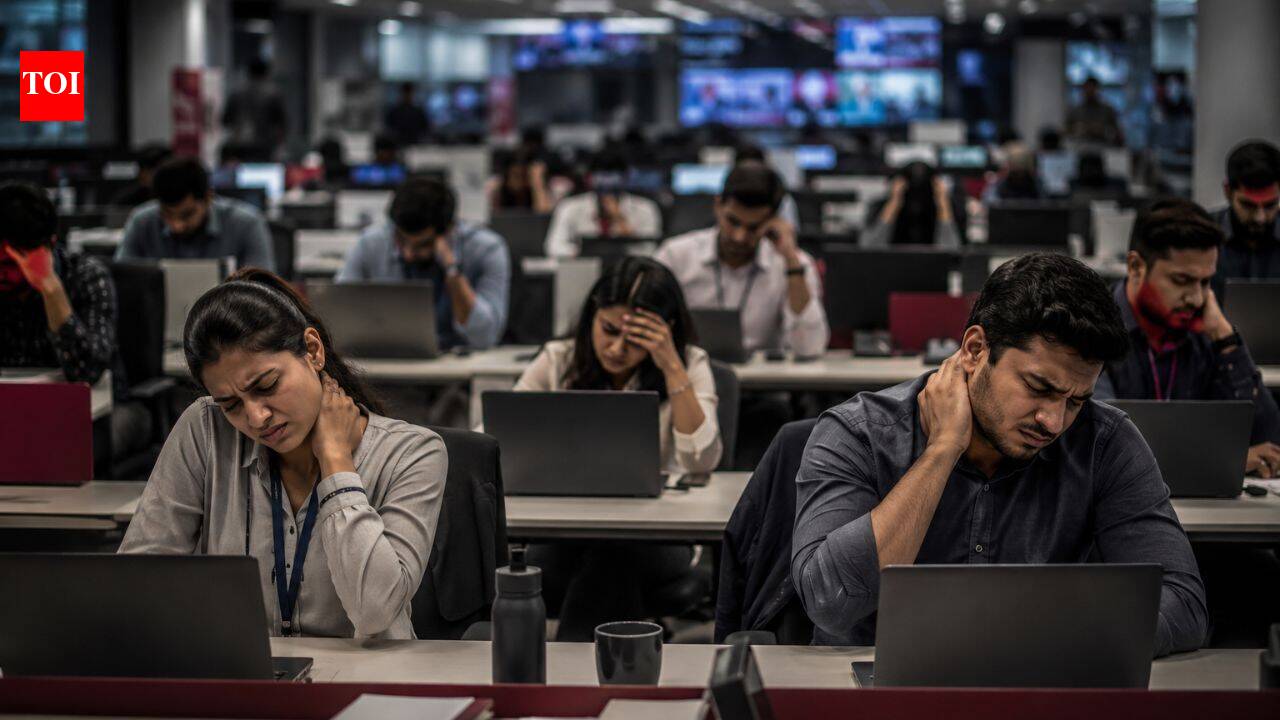
A surge in cervical pain among young Indian professionals is being linked to prolonged screen time and poor workplace ergonomics. Medical experts are observing a shift of this condition from an age-related issue to a prevalent occupational hazard.
The Silent Crisis of Cervical Pain in the Digital Age
For millions of Indians navigating the modern workforce, the daily routine is defined by a persistent tether to digital devices. The shift toward hybrid and remote work models has solidified the laptop as the primary tool of trade, often leading to eight to ten hours of continuous desk time. This shift, while boosting connectivity and output, has birthed a concerning health trend: a sharp rise in cervical pain among young professionals in their 20s and 30s. What was once viewed as a degenerative condition associated with aging is now rapidly transforming into a common occupational hazard.
The Anatomy of an Occupational Hazard
Medical experts are reporting an unsettling increase in patients presenting with stiffness, chronic neck pain, and recurring headaches. This phenomenon is largely driven by "tech neck"—a condition caused by the constant downward tilt of the head to view screens—compounded by suboptimal seating arrangements. When the human body is subjected to these static, non-ergonomic positions for extended periods, the cervical spine undergoes significant stress. The data suggests that this is not merely a transient discomfort but a structural issue that threatens long-term musculoskeletal health.
Beyond the Corporate Office
Crucially, the problem of cervical pain is no longer confined to traditional corporate office environments. As the digital economy expands, the sedentary nature of work has permeated various sectors, reaching individuals who may not have access to professional-grade ergonomic furniture. This universal shift toward screen-centric labor means that the exposure to risk is widespread, affecting freelancers, students, and remote workers alike. The lack of standardized workspace setups in home environments exacerbates the issue, leaving many vulnerable to chronic posture-related disorders.
The Impact on Productivity and Quality of Life
Beyond the clinical implications, the rise in cervical pain has a tangible effect on economic and personal well-being. Persistent discomfort directly detracts from an individual's quality of life and undermines workplace productivity. When employees are preoccupied with physical pain, their ability to concentrate, participate in meetings, and maintain consistent output is severely compromised. This cycle of pain and diminished performance highlights the urgent need for a shift in how organizations view workplace wellness.
Proactive Solutions and Future Trends
Addressing this epidemic requires a dual approach focusing on ergonomics and behavioral change. Implementing ergonomic solutions—such as adjustable standing desks, monitor risers, and supportive seating—is essential to mitigate the physical strain of desk-bound work. Furthermore, promoting movement breaks is a critical intervention; even brief intervals of stretching and movement can alleviate the cumulative stress placed on the cervical spine. As this trend continues, we can expect a greater emphasis on corporate health policies that mandate physical well-being as a cornerstone of sustainable productivity.