What triggered the mass migrant crossings into Ceuta?
Source Entity
BBC News
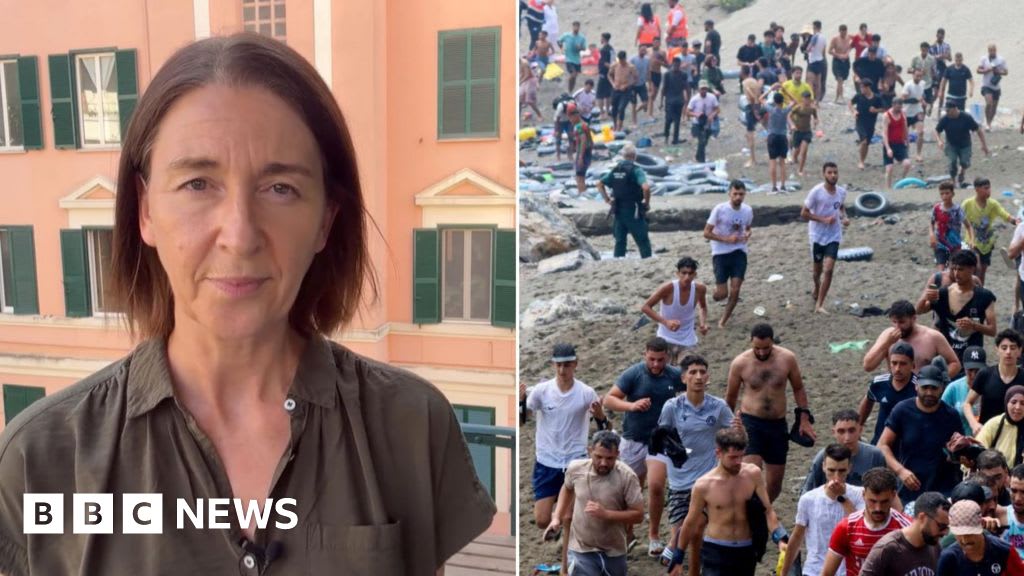
A massive surge of approximately 60,000 migrants recently crossed into the Spanish enclave of Ceuta from Morocco, triggering a severe humanitarian and border crisis. While many migrants have since returned voluntarily, the incident has strained local resources and ignited high-level political tensions between Madrid and Rabat.
The Ceuta Border Crisis: An Unprecedented Humanitarian Surge
The Spanish territory of Ceuta, a small enclave on the northern coast of Morocco, recently became the epicenter of a profound border crisis. In a span of 48 hours, an estimated 60,000 migrants crossed the border, moving by sea through inflatables, swimming, or running through the border fence. This sudden influx into a territory with a population of roughly 83,000 people overwhelmed local infrastructure, forcing a rapid response from both Spanish and Moroccan authorities.
The Human Cost and Methodology
The methods used to breach the border were both varied and perilous. Dramatic video footage captured on social media depicted trucks stopping near the border to unload migrants, with individuals jumping from moving vehicles. The physical toll of this mass movement was significant, with reports confirming that dozens of individuals lost their lives while attempting the crossing. The sheer volume of people attempting to reach European soil highlights the desperation and the risks migrants are willing to endure to move from the African continent into the European Union.
Political Fallout and Government Response
Spanish Prime Minister Pedro Sánchez characterized the mass movement as an "attack" on national borders, reflecting the gravity of the situation in Madrid. Juan Jesús Vivas, the leader of Ceuta, publicly appealed to the Spanish government for immediate intervention, citing the total exhaustion of local resources. This event evolved quickly from a border incident into a major political crisis, drawing attention from various European capitals concerned about the stability of the EU’s southern frontier.
Repatriation and Stabilization Efforts
As the situation unfolded, the rapid return of migrants became the primary focus of international efforts. According to official reports, more than 48,000 migrants had voluntarily returned to Morocco by the following Friday. In total, approximately 25,000 individuals are cited as having returned voluntarily during the broader period of the crisis. These figures indicate a high rate of turnover, though the logistics of processing such a large number of people remain a point of contention for local authorities.
Historical Context and Future Implications
Ceuta has long served as a focal point for migration, acting as a gateway for those seeking entry into Europe. The recent surge, however, represents an escalation in the scale of arrivals. The involvement of local security forces, such as the alleged presence of Morocco’s Royal Gendarmerie near the border during the crossing, suggests complex geopolitical undercurrents. As Europe continues to grapple with migration management, the events in Ceuta serve as a critical case study on the fragility of border security and the ongoing diplomatic challenges between Spain and Morocco.
Multiple Citing Sources