PoJK protests show Pakistan’s Kashmir policy is unravelling
Source Entity
Latest News: Todays Latest News Headlines from India & World | Hindustan Times | Hindustan Times
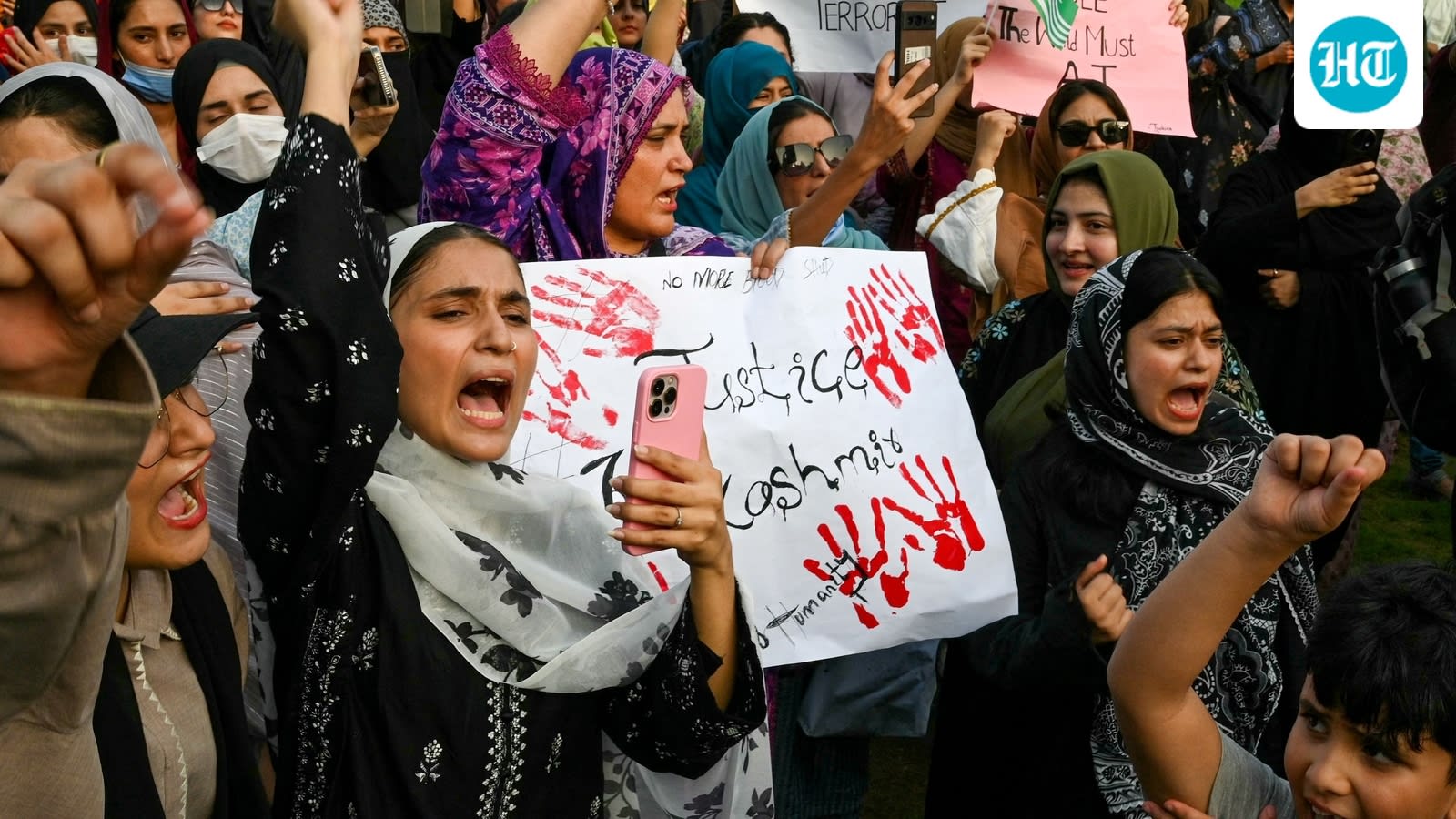
India has condemned Pakistan for its admission of state-sponsored terrorism and the violent suppression of protesters in Pakistan-occupied Jammu and Kashmir. The crackdown has reportedly resulted in over 40 civilian deaths, highlighting the unraveling of Pakistan's long-standing regional policies.
The Unraveling of Pakistan's Regional Strategy
Recent developments in Pakistan-occupied Jammu and Kashmir (PoJK) have brought the long-standing contradictions of Pakistan’s geopolitical strategy into sharp focus. The Ministry of External Affairs (MEA) has issued a stern condemnation following reports that a senior aide to Prime Minister Shehbaz Sharif openly admitted to the state’s historical role in training and arming Mujahideen. This admission, which acknowledges that these militant groups have now turned their hostility inward toward the Pakistani state, marks a significant shift in the regional security narrative.
The Human Cost of State Suppression
The situation in PoJK has escalated into a humanitarian crisis, with reports indicating that over 40 civilians have been killed during violent crackdowns on peaceful protesters. India’s response highlights this as evidence of Islamabad's disdain for the inhabitants of the territory it occupies. This suppression of dissent represents a failure of the state to manage the very populations it claims to advocate for, revealing a deep-seated instability within the region.
The Blowback of Asymmetric Warfare
For decades, Pakistan has utilized terror groups like the Lashkar-e-Taiba as instruments of asymmetric warfare against India. By attempting to legitimize these groups as "freedom fighters," the Pakistani deep state sought to exert pressure across the Line of Control. However, the current uprising suggests that this policy has created a "noose around their own neck." The transformation of these militants from state-sponsored proxies into internal threats demonstrates the inherent dangers of fostering radicalized groups for external objectives.
Geopolitical Implications and Policy Failure
The current unrest in PoJK serves as a critical juncture for Pakistan’s Kashmir policy. By failing to provide security or economic stability for the region, Islamabad’s traditional rhetoric regarding Kashmir is rapidly losing its efficacy. The international community is now witnessing the consequences of a policy that prioritized proxy warfare over governance, leaving the state vulnerable to internal uprisings that it is ill-equipped to manage without resorting to extreme violence.
Future Trends and Regional Stability
Looking forward, the instability in PoJK is likely to challenge Pakistan's internal cohesion further. As the state struggles to suppress internal dissent while simultaneously managing the fallout of its historical support for militancy, the pressure on the Pakistani government will only intensify. The shift in narrative—from an external aggressor to an internally embattled state—suggests that Pakistan’s regional influence is undergoing a period of significant contraction, forcing a re-evaluation of its long-term strategic posture in South Asia.
Verification Required?