Kartarpur Corridor To Remain Shut Over Security Concerns: Centre
Source Entity
NDTV News Search Records Found 1000
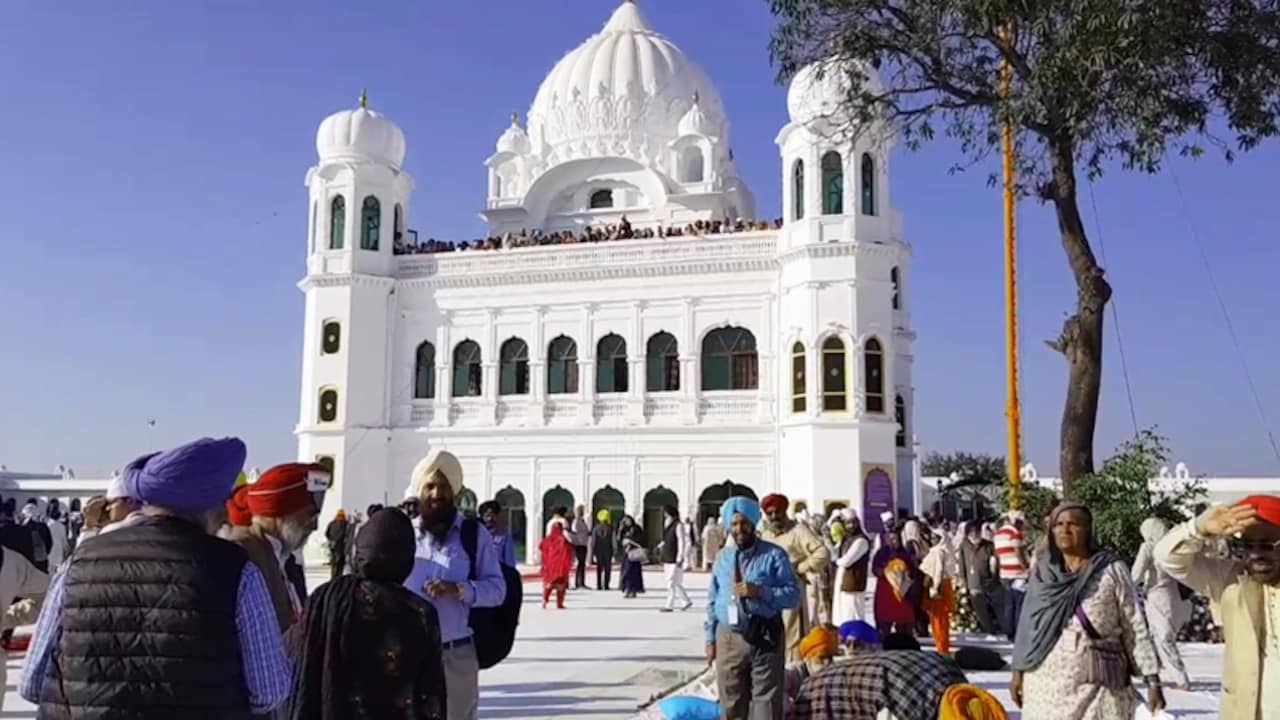
The Indian government has suspended the Kartarpur Sahib Corridor following the May 2025 Pahalgam terror attack due to security concerns. The North American Punjabi Association is now urging the Centre to seek technological solutions to reopen the route and honor Sikh religious sentiments.
The Standoff at Kartarpur: Balancing Security and Faith
The Kartarpur Sahib Corridor, a vital pilgrimage route connecting Dera Baba Nanak in India to the Gurdwara Darbar Sahib in Pakistan, currently faces an indefinite suspension. This closure, enacted by the Indian Centre in the wake of the devastating May 2025 terror attack in Pahalgam, highlights the precarious nature of cross-border religious diplomacy when pitted against national security imperatives.
The Security-First Doctrine
Following the violence in Pahalgam, the government took swift action to seal the corridor, citing critical security risks. In the current geopolitical climate, the state’s primary mandate is the protection of its citizens, and the decision to suspend the corridor underscores a policy that prioritizes the prevention of infiltration or security breaches over the maintenance of open transit routes. This move reflects a broader trend of hardening border policies in response to escalating regional instability.
The Diaspora Perspective
The North American Punjabi Association (NAPA), led by executive director Satnam Singh Chahal, has voiced significant concern regarding this indefinite shutdown. Chahal argues that while the government's caution is understandable, the closure deeply affects the Sikh diaspora and millions of devotees who view the corridor as a sacred bridge. The NAPA’s appeal serves as a reminder that the corridor is not merely a piece of infrastructure but a central element of the global Sikh community’s identity and religious practice.
Technological Solutions and Future Viability
NAPA’s proposal shifts the focus from a binary choice of 'open versus closed' to a more nuanced approach involving modern surveillance and advanced security protocols. By suggesting that the Centre leverage current technological capabilities—such as biometric tracking, enhanced intelligence, and rigorous border monitoring—the association is pushing for a middle path. They contend that the government should explore diplomatic and technical avenues to mitigate threats without permanently severing the connection to the holy site.
Broader Implications for Cross-Border Relations
The indefinite closure of the Kartarpur Corridor serves as a barometer for the state of India-Pakistan relations. Historically, the corridor was established to bypass traditional visa hurdles and promote peace through religious tourism. However, its suspension illustrates how fragile such initiatives are when challenged by terror-related events. The debate now centers on whether the corridor can survive as a permanent institution if it remains susceptible to total closure every time regional security fluctuates.
Conclusion: The Path Forward
Ultimately, the situation requires a delicate recalibration. The government is tasked with maintaining an uncompromising stance on national security while simultaneously addressing the profound disappointment of the Sikh community. If the Centre can successfully integrate the technological upgrades proposed by groups like NAPA, it may provide a framework for reopening the corridor in a manner that respects both the sanctity of the pilgrimage and the safety of the Indian state.
Verification Required?