Spain’s 48-hour response: How authorities returned thousands of illegal migrants to Morocco
Source Entity
VIJAYA SRIVASTAVA
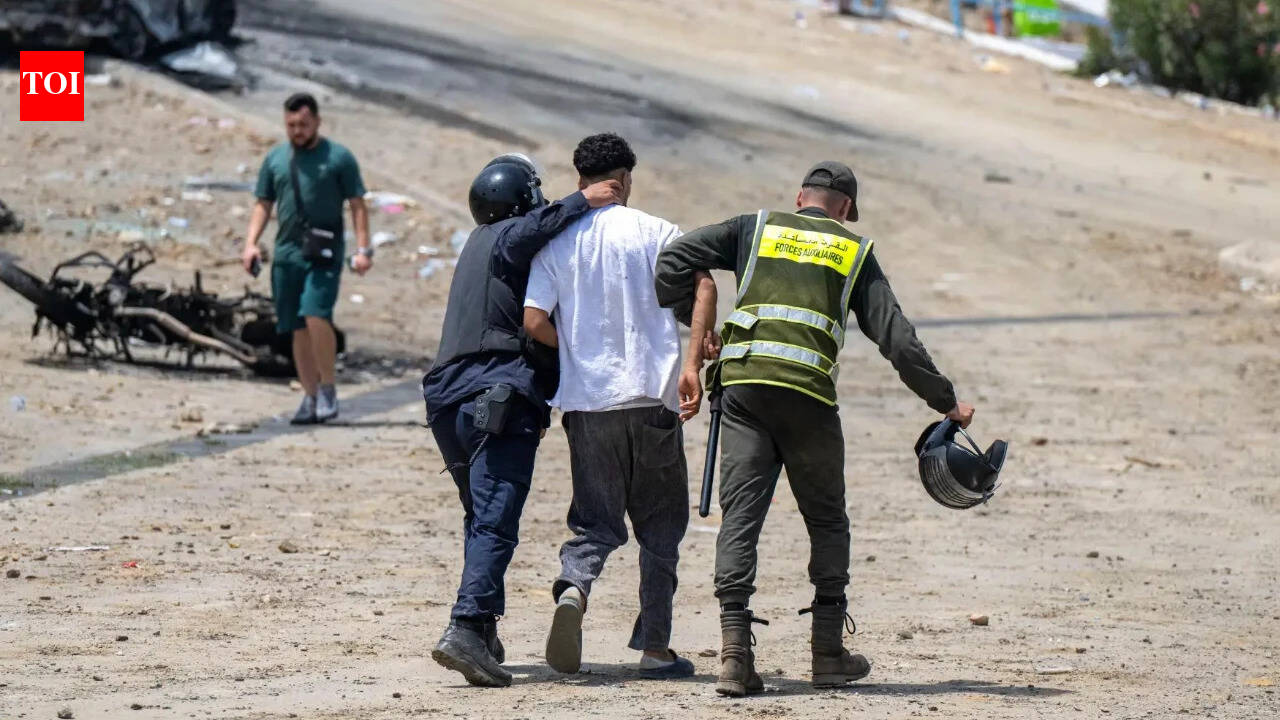
An unprecedented surge of approximately 60,000 migrants into the Spanish enclave of Ceuta led to a humanitarian crisis and at least 67 deaths. Within 48 hours, Spanish authorities and mounting pressures resulted in the voluntary return of 48,000 individuals to Morocco.
The Ceuta Migration Crisis: An Unprecedented Surge
In a span of just 48 hours, the Spanish North African enclave of Ceuta experienced a migration event of historic proportions. An estimated 60,000 individuals—nearly 70 percent of the enclave's total population of 83,000—crossed the border from Morocco via land and sea. This massive influx overwhelmed local infrastructure, creating a humanitarian and security crisis that tested the limits of European border management.
The Cost of the Crossing
The desperation driving this surge carried a lethal toll. Spanish authorities confirmed that at least 67 people lost their lives during the attempt, with many drowning in the sea or being crushed in stampedes as crowds rushed the border fences. The sheer volume of people attempting the crossing at once created dangerous conditions that local emergency services struggled to contain, highlighting the tragic human cost of irregular migration routes.
Why Migrants Turned Back
While the initial crossing was characterized by a rush of thousands, the subsequent reversal was nearly as swift. Reports indicate that 48,000 migrants chose to voluntarily return to Morocco within days. This decision was driven by a combination of harsh realities: extreme exhaustion, lack of food, and the realization that their hopes of reaching mainland Europe were being thwarted by tight police restrictions and hostility from some local residents. Many migrants were left in a precarious position, effectively stranded in an enclave that lacked the resources to support them.
Spanish Response and Border Control
Spanish authorities implemented a robust and aggressive response to regain control of the territory. This included the deployment of troops, the construction of additional barriers, and the use of crowd-control measures such as water cannons, tear gas, and warning shots. These actions were deemed necessary by officials to manage what they described as an 'absolutely unsustainable' situation, reflecting the intense pressure on the border authorities to restore order in the small territory.
Broader Implications and Future Trends
This crisis serves as a stark reminder of Ceuta's role as a primary focal point for those attempting to reach Europe. The event has reignited debates regarding border security, the role of smugglers in encouraging mass crossings, and the diplomatic relationship between Spain and Morocco. As migration continues to be a volatile issue, the events in Ceuta underscore the challenges of maintaining secure borders while addressing the humanitarian needs of those seeking a better life. Future policy will likely focus on even tighter integration of surveillance and rapid response capabilities to prevent such overwhelming surges from recurring.
Multiple Citing Sources