‘2 pyaj, 30 danay’: Police chargesheet traces coded WhatsApp message, Portugal link
Source Entity
Jagpreet Singh Sandhu
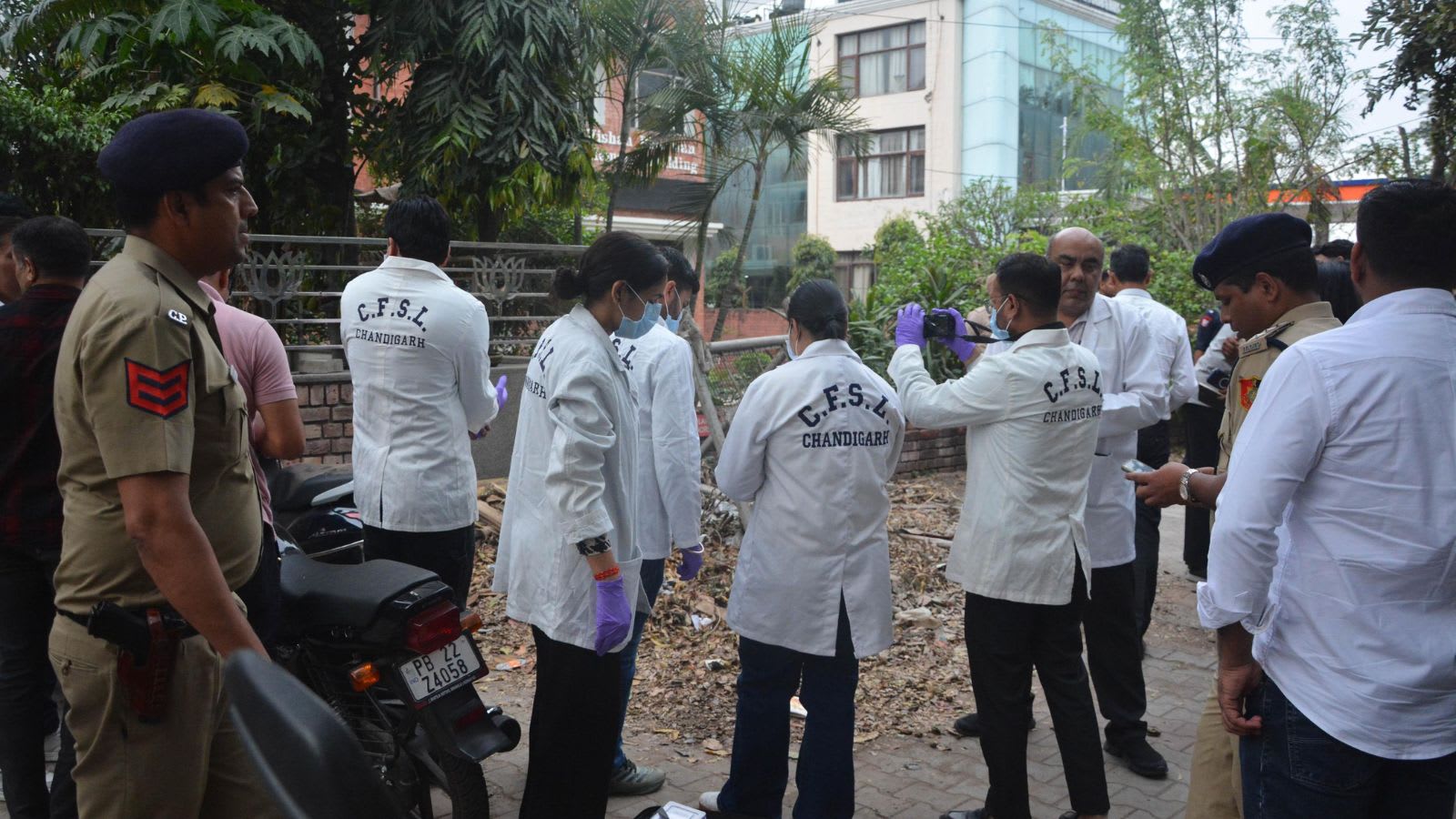
Chandigarh police have uncovered a cross-border conspiracy involving Portugal and Pakistan behind a grenade attack on the Punjab BJP office. The plot was coordinated via coded WhatsApp messages, using phrases like '2 pyaj, 30 danay' to transport grenades and ammunition.
Unmasking the Conspiracy: The Coded Logistics of the Chandigarh BJP Office Attack
On April 1, the Punjab BJP office in Sector 37, Chandigarh, became the target of a grenade attack, an event that initially appeared as an isolated act of violence. However, a recent chargesheet filed by the UT Police in a Chandigarh district court has unveiled a sophisticated, multi-layered conspiracy. The investigation reveals that the attack was not a spontaneous act but the culmination of a carefully orchestrated operation involving coded communications and a transnational network spanning from Pakistan to Portugal, highlighting the evolving nature of security threats in the region.
The Art of Deception: Decoding '2 Pyaj, 30 Danay'
Central to the police investigation is the discovery of a cryptic WhatsApp message that served as the trigger for the weapon shipment. The phrase “2 pyaj aur 30 danay” (2 onions and 30 grains/seeds) was used as a linguistic mask to hide the true nature of the consignment. In reality, the "onions" referred to two grenades, and the "grains" denoted 25-30 cartridges, which accompanied a pistol. This use of coded language is a common tactic employed by organized criminal networks to bypass digital surveillance and keyword-based monitoring by intelligence agencies, allowing them to coordinate the movement of lethal contraband under the guise of mundane grocery items.
The Logistics Chain: From Majari Village to the Target
The operational execution of the plot relied on a fragmented chain of couriers to ensure plausible deniability for the high-level planners. According to the disclosure statement of the accused, Charanjit Singh (alias Channi), the logistics were managed through a series of hand-offs. The process began with the collection of the parcel from a salon owner in Majari village, who acted as a temporary holding point. From there, the consignment was passed through a network of couriers across Punjab before reaching its final destination. This 'cell-based' transport system is designed to ensure that if one courier is apprehended, they cannot provide comprehensive information about the entire network.
The International Nexus: Portugal and Pakistan
One of the most alarming revelations in the chargesheet is the involvement of overseas modules. The investigation identifies Baljot Singh (alias Jota), based in Portugal, as the individual providing instructions to the ground operatives in India. The coordination between a Portugal-based handler and local executors suggests a structured command-and-control center operating outside Indian jurisdiction. Furthermore, the police allege that this network is linked to cross-border activities involving Pakistan, specifically through the use of drone consignments. The synergy between drone-delivered weapons from across the border and remote management from Europe points to a hybrid threat model.
Broader Security Implications for Punjab and Chandigarh
This case underscores a worrying trend in regional security: the integration of traditional smuggling routes with modern technology. The use of drones for weapon delivery from Pakistan, combined with encrypted messaging apps for coordination from Europe, creates a complex challenge for law enforcement. The fact that a political office was targeted indicates an attempt to destabilize local political stability and create an atmosphere of fear. The reliance on local collaborators, such as salon owners and small-time couriers, shows how these networks exploit ordinary citizens to facilitate high-stakes terrorism.
Future Trends and Law Enforcement Challenges
Moving forward, this incident suggests that intelligence agencies must shift their focus toward 'pattern analysis' rather than just keyword monitoring to detect coded communications. The involvement of the Portuguese diaspora in such plots indicates a need for stronger international legal cooperation and extradition treaties to bring overseas masterminds to justice. As drone technology becomes more accessible and encrypted communication more prevalent, the boundary between domestic crime and international terrorism continues to blur, necessitating a more integrated approach to counter-terrorism.
Conclusion
The chargesheet filed by the UT Police provides a chilling look into the mechanics of modern political violence. By tracing a simple WhatsApp message about "onions and grains," investigators have exposed a dangerous pipeline connecting Pakistan, Portugal, and Punjab. While the arrest of Charanjit Singh and the identification of Baljot Singh are significant steps, the existence of such a cross-border network suggests that the threat of coordinated, remote-managed attacks remains a persistent challenge for Indian security forces.