Char Dham yatra enters final phase as footfall crosses 6 million mark
Source Entity
Latest News: Todays Latest News Headlines from India & World | Hindustan Times | Hindustan Times
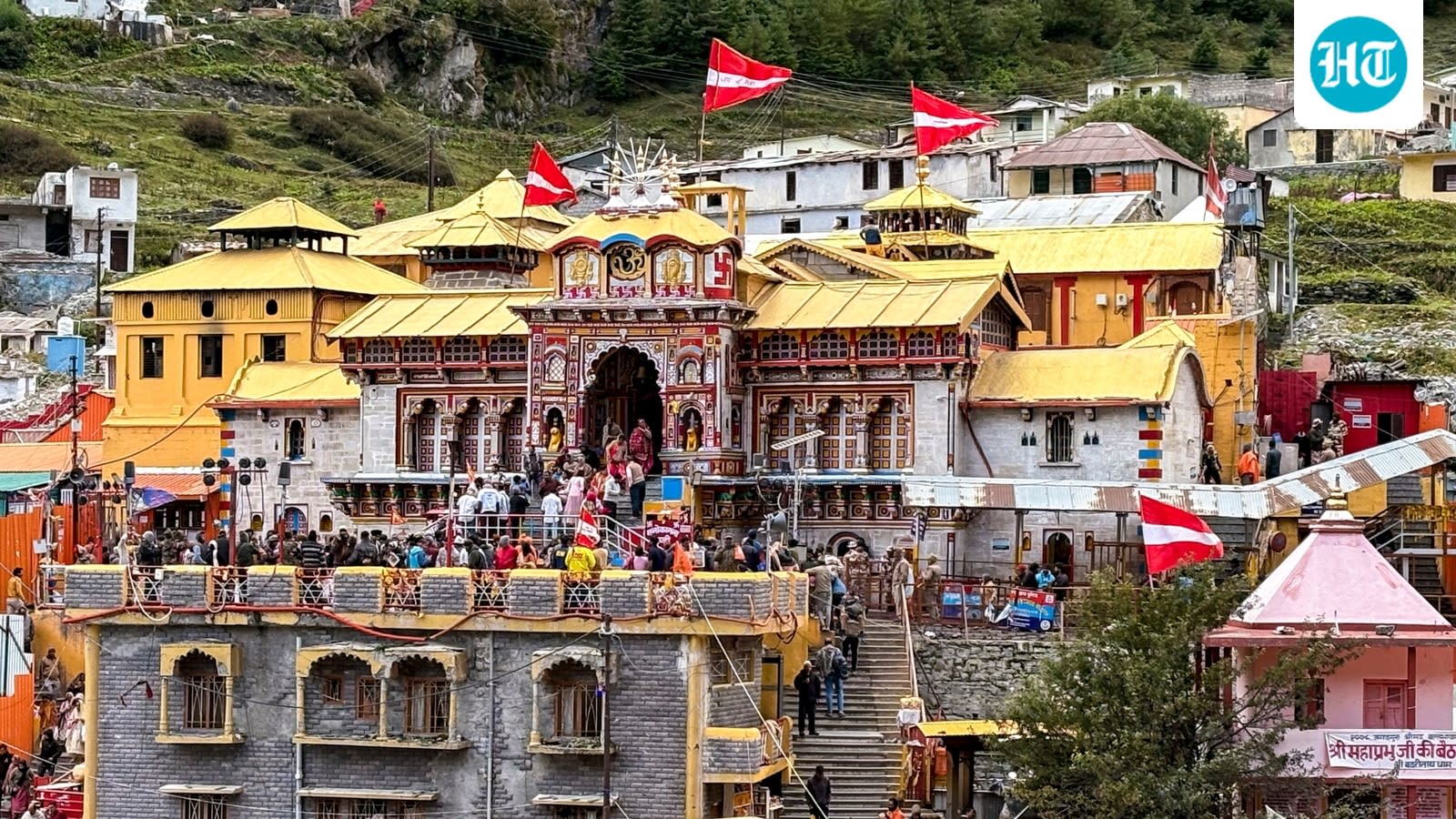
The Char Dham Yatra has reached its final phase with a record-breaking footfall of over 6 million pilgrims. Badrinath and Kedarnath remain the most visited shrines as the season prepares to conclude on November 16.
Char Dham Yatra Reaches Historic Milestone
The annual Char Dham Yatra, a significant spiritual pilgrimage in the Himalayan region of Uttarakhand, has officially entered its final phase. As of the latest reports, the total number of pilgrims visiting the four sacred shrines—Yamunotri, Gangotri, Kedarnath, and Badrinath—has surged past the 6 million mark. Specifically, officials confirmed a total footfall of 6,031,017 pilgrims by Tuesday evening, marking a significant increase in religious tourism participation for the 2024 season.
Analyzing the Surge in Pilgrimage Trends
The current data reveals a consistent upward trajectory in the popularity of the Char Dham circuit. To contextualize this growth, one must look at the preceding years: in 2023, the total number of pilgrims reached over 5.6 million, following a figure of 5 million in the previous cycle. The jump to over 6 million in the current season underscores not only a post-pandemic resurgence in travel but also an increasing desire for spiritual tourism, which has become a cornerstone of the regional economy in Uttarakhand.
The Dominance of Badrinath and Kedarnath
Among the four shrines, Badrinath Dham has maintained its position as the most sought-after destination, recording an impressive 2,069,866 visitors. Kedarnath Dham follows closely as the second most visited site, with 1,775,059 pilgrims having made the journey. The high concentration of visitors at these two locations highlights their central importance in the Hindu pilgrimage tradition and the logistical efforts required to manage such massive crowds in high-altitude terrain.
Logistical Challenges and Seasonal Constraints
The yatra, which commenced on April 19, operates under strict seasonal constraints dictated by the harsh Himalayan winters. As the shrines are located at high elevations, accessibility becomes difficult once the cold sets in. Consequently, the pilgrimage is scheduled to conclude for the winter season upon the formal closing of the Badrinath Dham portals on November 16. This annual closure acts as a critical checkpoint for district administration and environmental management.
Broader Implications for Infrastructure and Management
Managing a footfall of over six million people in a sensitive ecological zone presents immense challenges for state authorities. The success of this year’s yatra reflects ongoing improvements in infrastructure, crowd management, and transportation networks. As seen with the recent preparations for other major pilgrimages like the Sabarimala yatra, the Indian pilgrimage circuit is increasingly adopting standardized, large-scale administrative protocols to ensure safety and accessibility for devotees.
Future Outlook
Looking ahead, the sustained growth in pilgrim numbers suggests that Uttarakhand will continue to face pressure to balance religious tourism with environmental sustainability. Future trends will likely involve the implementation of more robust digital tracking, improved transit facilities, and sustainable hospitality models to accommodate the rising number of visitors while preserving the delicate Himalayan ecosystem. As the portals prepare to close, the focus will shift to maintaining these sites during the dormant winter months.
Verification Required?