Cheaper cars are selling considerably faster than at the beginning of the year
Source Entity
US Top News and Analysis
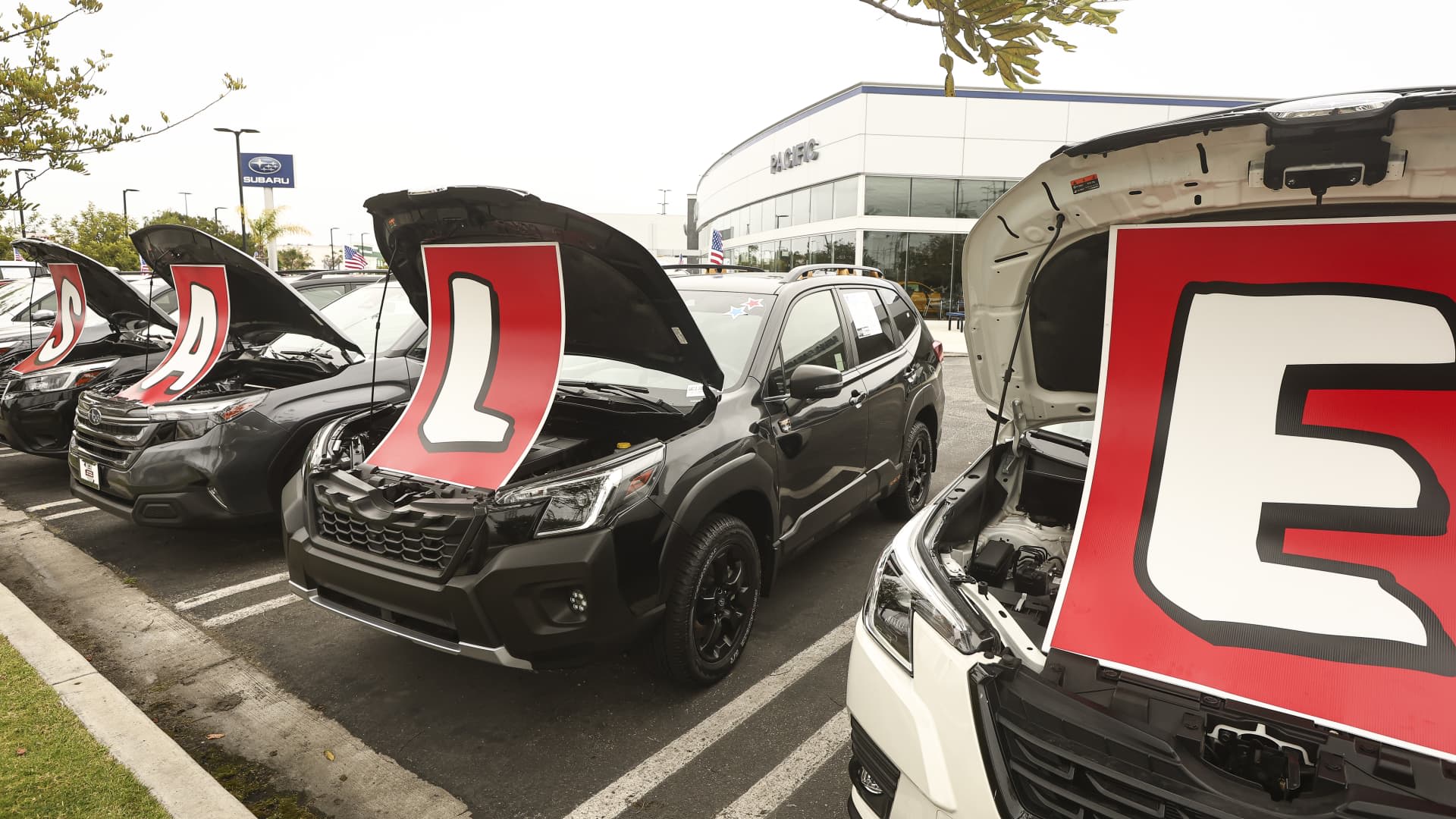
Recent data reveals that lower-priced vehicles are selling significantly faster than luxury models as consumer price sensitivity increases. Rising fuel costs and general affordability concerns are driving buyers toward budget-friendly segments.
The Shift Toward Automotive Affordability
Recent market data from Edmunds highlights a significant shift in consumer behavior within the automotive sector. As the year progresses, vehicles priced between $20,000 and $29,999 have seen the most dramatic increase in velocity, with the time required for dealers to sell these units dropping by 20% since the first quarter. This trend indicates that the entry-level and mid-range vehicle market is becoming the primary engine of automotive commerce, contrasting sharply with the slower turnover rates observed in higher price brackets.
The Impact of Economic Pressures
The primary catalyst for this accelerated demand is rooted in mounting economic pressures on the average consumer. Concerns regarding rising fuel prices and overall vehicle affordability are forcing a recalibration of purchasing priorities. When faced with the dual burden of high interest rates and volatile energy costs, buyers are increasingly shunning premium-priced vehicles in favor of more economical options that promise lower total cost of ownership.
Segment Performance and Market Velocity
Beyond the sub-$30,000 category, the trend remains consistent across the mid-tier market. Vehicles priced between $30,000 and $39,999 have seen an 18% increase in sales speed, while the $40,000 to $49,999 bracket experienced a 12% reduction in days-to-turn. It is notable that across all these segments, vehicles under the $50,000 threshold are consistently moving off dealership lots in under 60 days, effectively outperforming their more expensive counterparts in terms of inventory turnover.
Divergence in Lower-Priced Segments
Despite the overarching trend of rapid sales for affordable cars, the data reveals a nuanced reality. While the general move toward lower-priced vehicles is clear, certain specific sub-segments within the lower-priced categories have bucked the trend, experiencing sales drops in the third quarter. This suggests that while affordability is a dominant factor, specific model utility, brand reputation, and fuel efficiency ratings continue to play a critical role in consumer decision-making.
Future Trends and Dealer Implications
Looking ahead, the automotive industry faces a landscape where inventory management must be tightly aligned with price-sensitive demand. Dealers who prioritize maintaining stock of entry-level and mid-range vehicles are likely to see better cash flow and inventory turnover ratios. As long as economic headwinds like fuel volatility persist, the market will likely continue to favor vehicles that offer practical, cost-effective transportation over luxury or high-performance tiers, forcing manufacturers to adjust production pipelines to reflect this shift in consumer preference.