Cheetah Cub Dies In Madhya Pradesh, 5 Pellets Recovered From Body
Source Entity
NDTV News Search Records Found 1000
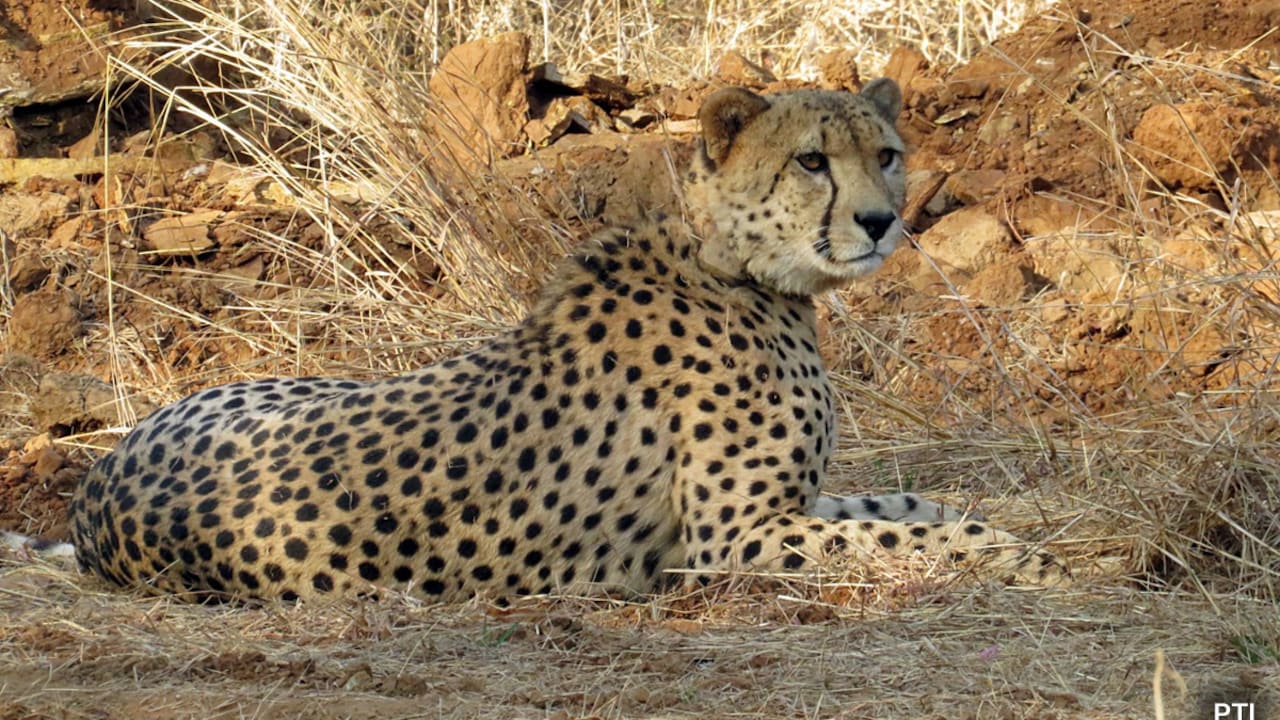
A 19-month-old male cheetah cub, offspring of the female cheetah Nirva, has died in Madhya Pradesh after being shot. This marks the first recorded case of a human-caused killing of a cheetah since the species' reintroduction in India.
The Tragic Loss of a Kuno Cheetah Cub
The reintroduction of the African cheetah to India, an ambitious ecological project aimed at restoring a lost predator to the ecosystem, has faced a devastating setback. A 19-month-old male cheetah cub, born to the female cheetah Nirva, has died following a suspected human attack in the Morena territorial forest division of Madhya Pradesh. This incident marks the first instance of a cheetah being killed by human-related violence since the project’s inception, raising urgent questions about the safety of wild-roaming predators in human-dominated landscapes.
The Incident and Medical Findings
The cub was initially discovered by a monitoring team on a Sunday evening, exhibiting visible injuries on its back. Following an emergency rescue operation by the State Tiger Strike Force (STSF), the animal was transported to Kuno National Park for urgent medical intervention. Despite these efforts, the cub succumbed to its injuries shortly after. A post-mortem examination conducted by Dr. Shobha Jawre of the College of Veterinary Science and Animal Husbandry, Jabalpur, confirmed the presence of five pellets within the cub's body, definitively attributing the cause of death to a shooting.
Implications for the Reintroduction Project
This incident highlights the inherent risks associated with the 'Project Cheetah' initiative, particularly as the animals transition from protected enclosures to the broader, more unpredictable wild. The fact that the cub was found in the Morena forest—outside the core protected area—suggests that as these cheetahs expand their range, their proximity to human settlements increases. The discovery of pellets indicates a direct conflict or intentional malice, which presents a significant hurdle for wildlife managers who must balance predator movement with local community safety.
Challenges in Monitoring and Protection
The current status of the project involves several cheetahs roaming within the Morena range, making intensive 24/7 monitoring a logistical challenge for the forest department. Chief Wildlife Warden Samita Rajora has acknowledged the gravity of the situation, confirming the death while investigations into the exact circumstances of the shooting continue. The use of firearms against a protected species in this region underscores a critical need for enhanced community engagement and stricter enforcement of wildlife protection laws around the periphery of Kuno National Park.
Future Trends and Conservation Outlook
Moving forward, the death of Nirva’s cub will likely necessitate a shift in how the Indian government approaches the 'wild-roaming' phase of the reintroduction program. Authorities may need to implement more robust buffer zones or increase the presence of surveillance teams in territories where human-wildlife overlap is high. Preventing human-animal conflict is now as vital as the biological success of the breeding program itself. If the reintroduction is to succeed in the long term, protecting these animals from anthropogenic threats will require a multifaceted approach involving local education, legal deterrents, and improved habitat security.
Multiple Citing Sources
Verification Required?