Highways Department begins repair of Chennai roads
Source Entity
India Latest News: Top National Headlines Today & Breaking News | The Hindu
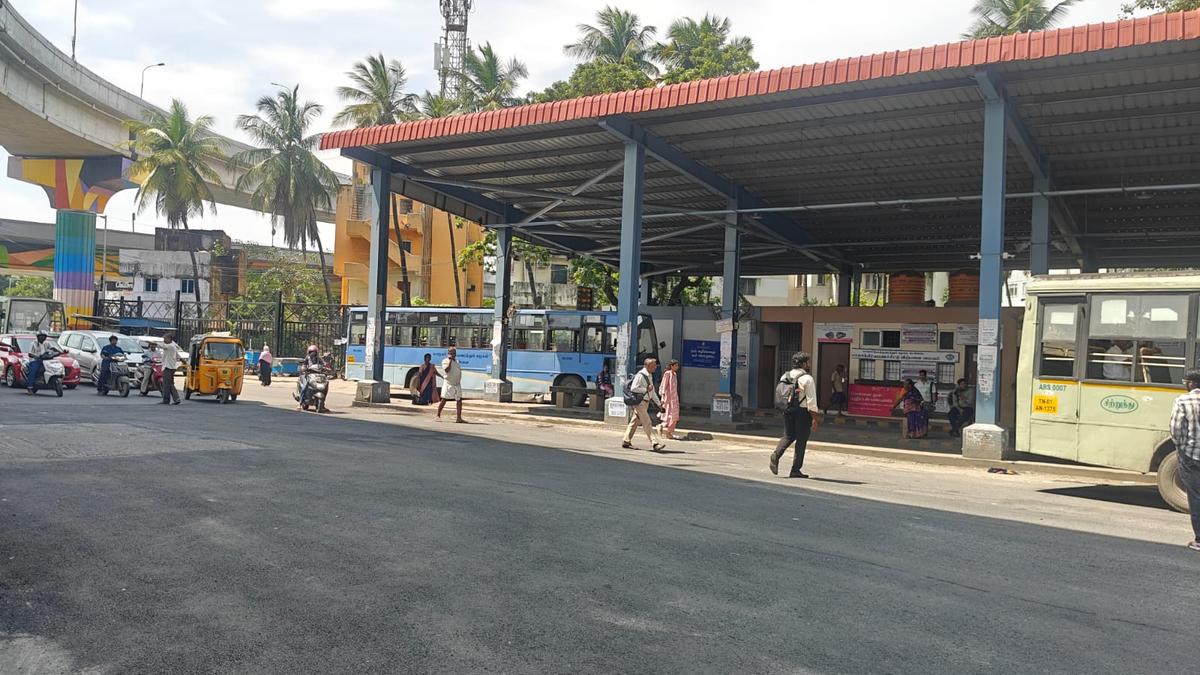
The Tamil Nadu Highways Department is undertaking urgent repairs on Chennai roads damaged by recent rains using 5,000 bags of cold mix. Priority is being given to Major Mukund Varadarajan Road, where utility pipeline work exacerbated structural damage.
Chennai Infrastructure Restoration: Addressing Post-Rain Road Damage
Following a week of intense rainfall in Chennai, the Tamil Nadu Highways Department has initiated a comprehensive repair drive to restore the city's critical road network. With 5,000 bags of cold mix currently stockpiled, authorities are focusing on immediate remediation to mitigate the risks posed by potholes and surface degradation. This proactive stance is essential for restoring traffic flow and ensuring the safety of commuters navigating the city's arterial routes.
Prioritizing Major Mukund Varadarajan Road
A focal point of this restoration effort is the Major Mukund Varadarajan Road, also known as the Velachery-Tambaram Road. The road’s structural integrity was compromised significantly by a major utility project involving the Chennai Metropolitan Water Supply and Sewerage Board (CMWSSB). The excavation of an 800-meter stretch to facilitate a 2-meter diameter water pipeline created vulnerabilities that were subsequently worsened by the heavy rains. By prioritizing this corridor, the department aims to bridge the gap between necessary urban utility expansion and the maintenance of essential transport infrastructure.
Challenges of Urban Infrastructure Maintenance
The current state of Chennai’s roads reflects a recurring challenge in urban planning: the intersection of diverse infrastructure needs. Rainwater stagnation and runoff from Chennai Metro Rail pillars have acted as catalysts for accelerated wear and tear. In many instances, the top layer of asphalt has been stripped away, or dangerous potholes have formed, creating significant navigational hazards for daily commuters. These issues underscore the difficulty of maintaining road surfaces in a coastal city prone to heavy monsoon cycles and frequent utility-related trenching.
Community Impact and Public Sentiment
The impact of these road conditions is felt acutely by residents, such as those in Thoraipakkam. Reports from areas like Rajiv Gandhi Salai—specifically beyond Sholinganallur—highlight that traffic movement has slowed significantly due to the deteriorating road surface. When arterial roads fall into disrepair, the cascading effect on the city's economy and the quality of life for its citizens is profound, leading to longer commute times and increased vehicle maintenance costs for the public.
Future Outlook and Infrastructure Resilience
Moving forward, the Highways Department’s reliance on cold mix technology offers a quick, weather-resistant solution for immediate repairs. However, the broader implication of these events suggests a need for better coordination between utility providers like the CMWSSB and road maintenance authorities. By aligning infrastructure projects with seasonal weather patterns and implementing more durable road-laying techniques, the city can better withstand the inevitable stress of annual rains. The current repair effort serves as a necessary intervention to stabilize the network, but long-term resilience will depend on integrated planning and more robust surface engineering.
Verification Required?