2 million followers, just 33 votes: Rajasthan astro-influencer’s poll shock
Source Entity
TNN
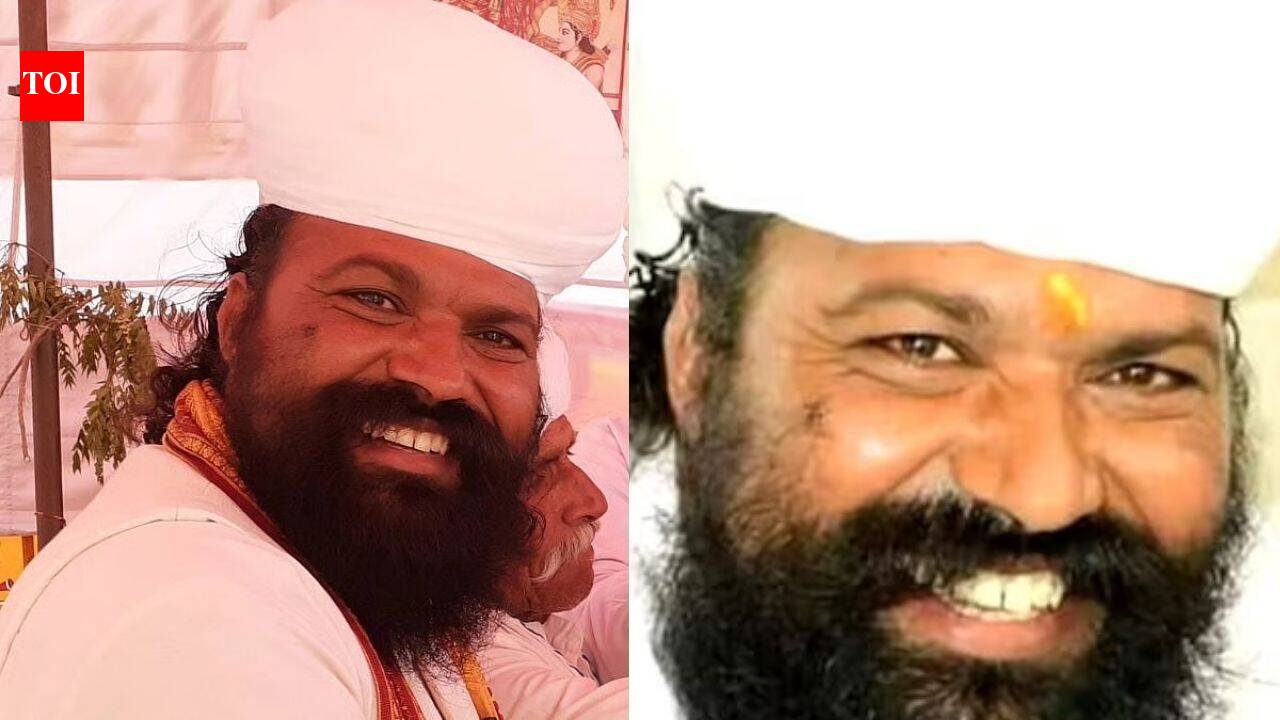
Astrologer and influencer Omprakash Bishnoi faced a crushing defeat in the Jodhpur sarpanch election, securing only 33 votes despite his two million social media followers. The result highlights the distinct disconnect between digital influence and grassroots electoral support in local Indian politics.
The Digital Illusion: When Influencer Status Meets Reality
The recent sarpanch election in Indon Ki Dhani-II, Jodhpur, has provided a stark case study on the limitations of digital influence in local governance. Omprakash Bishnoi, an astrologer with a massive following of over two million across Instagram, Facebook, and YouTube, entered the political arena with significant name recognition. However, the transition from digital popularity to tangible electoral support proved to be a failure, as he secured only 33 votes out of 1,600 eligible voters.
The Disconnect Between Virtual and Physical Reach
This event underscores the growing divide between 'online influence' and 'ground-level engagement.' While Bishnoi commands a substantial audience in the digital space, his influence failed to translate into the local context of a village panchayat. In rural Indian politics, electoral success is traditionally tied to face-to-face networking, community trust, and long-term local involvement, which a massive follower count—often dispersed across the country or state—cannot replicate.
Local Governance vs. Digital Branding
Bishnoi’s background as the president of a local cow shelter was intended to bolster his standing as a community leader. However, even this tangible service did not sway the electorate. This suggests that voters in local elections prioritize specific, localized agendas and personal accountability over the brand image or celebrity status of a candidate. The reliance on digital metrics to predict political viability has proven to be a flawed strategy in this instance.
The Historical Context of Local Elections
Historically, sarpanch elections are characterized by deep-rooted social dynamics, caste equations, and specific local issues such as water management, infrastructure, and agricultural support. Unlike state or national elections, where broader ideological narratives might hold sway, local panchayat polls are intensely personal. Voters often rely on established relationships rather than the curated digital persona of an influencer.
Future Trends in Political Engagement
Moving forward, this incident serves as a cautionary tale for influencers attempting to pivot into politics. It highlights that while social media can be a powerful tool for broadcasting ideas, it is not a substitute for the hard work of building a grassroots organization. The 'Bishnoi phenomenon' suggests that the future of political success in India will continue to rely on the traditional 'boots-on-the-ground' approach, regardless of how prominent an individual’s digital footprint may be.
Conclusion
The crushing defeat of Omprakash Bishnoi demonstrates that social media followers do not equate to political capital. The 33-vote tally serves as a reminder that local democracy remains grounded in personal accountability and community-specific needs, far removed from the vanity metrics of the digital age.