Watch: Chennithala disagrees with Keralam Islamic scholar’s opinion that women should stay at home
Source Entity
India Latest News: Top National Headlines Today & Breaking News | The Hindu
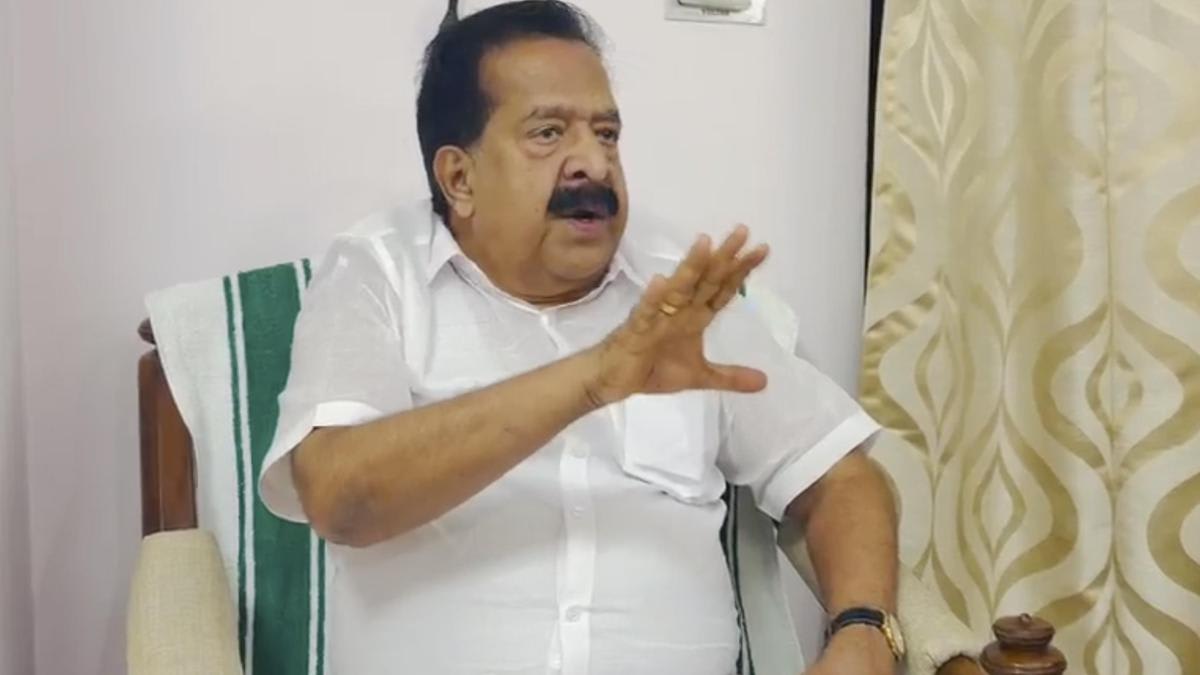
Ramesh Chennithala has publicly opposed a Keralam Islamic scholar's suggestion that women should remain within the home. This disagreement highlights ongoing debates regarding gender roles and social progress in Kerala.
The Debate Over Gender Roles and Public Discourse
Ramesh Chennithala, a prominent political figure, has publicly voiced his disagreement with a Keralam Islamic scholar who recently suggested that women should prioritize staying at home. This interaction underscores a broader, persistent tension within Kerala’s socio-political landscape, where traditional interpretations of domesticity frequently collide with the state's progressive achievements in female literacy and workforce participation.
The Intersection of Tradition and Modernity
Kerala is widely recognized for its high Human Development Index (HDI) and exceptional female literacy rates, often serving as a model for the rest of India. Despite these metrics, the state remains a battleground for competing ideologies regarding the role of women in society. When religious leaders make pronouncements on the domestic sphere, it often triggers a rigorous public debate, as seen in the reaction from political leaders who feel compelled to defend gender equality as a fundamental civic right.
Political Implications of Social Commentary
For politicians like Chennithala, responding to such statements is not merely a matter of personal opinion but a strategic engagement with the electorate. By distancing himself from the scholar’s view, Chennithala aligns with the constitutional principles of gender parity. Such public disagreements are crucial in a democracy, as they force religious and political entities to clarify their stances on individual autonomy, thereby shaping the cultural trajectory of the state.
Historical Context and Cultural Evolution
Historically, Kerala has navigated these debates through consistent social reform movements. From the early 20th-century struggles against caste-based discrimination to modern feminist movements, the state has continuously renegotiated the boundaries of personal and public life. The current discourse surrounding this specific incident is a modern iteration of this long-standing process of social negotiation.
Future Trends and Social Outlook
Looking ahead, it is likely that tensions between conservative religious interpretations and secular political mandates will continue to characterize Kerala’s public sphere. As the state moves toward further economic integration and modernization, the demand for women to have equal agency in both the household and the public sector will likely grow, potentially leading to more frequent public friction between traditionalist rhetoric and modern social expectations.
Conclusion: The Path Toward Consensus
In summary, the disagreement between Ramesh Chennithala and the Keralam Islamic scholar serves as a microcosm of the larger national conversation regarding the status of women. While traditional views persist, the active pushback from political leaders suggests that the discourse is shifting toward a more inclusive and equitable framework, essential for the continued social progress of the region.
Verification Required?