Over 2 Crore Voters Excluded From Maharashtra's Draft Electoral Roll
Source Entity
NDTV News Search Records Found 1000
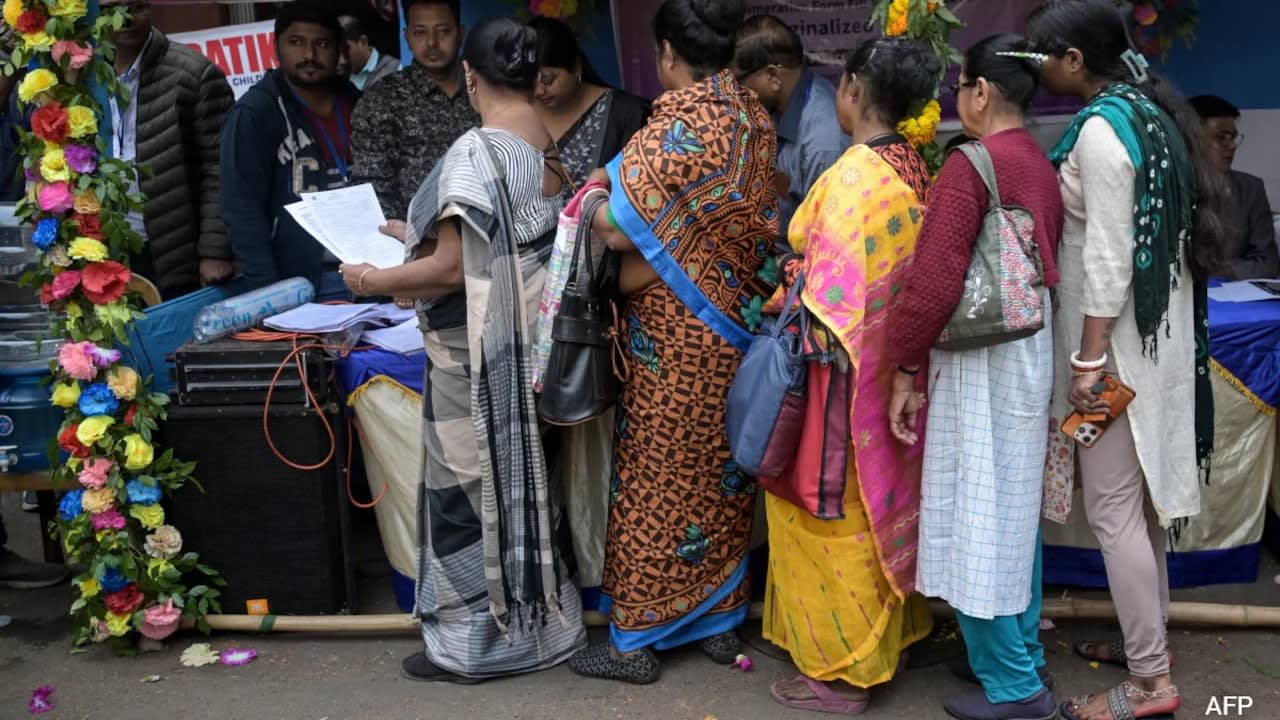
Draft electoral rolls in Maharashtra and Delhi have triggered concerns as millions of names remain excluded or uncollected. Authorities are urging citizens to verify their voter status and submit necessary forms to ensure their participation in upcoming elections.
Electoral Integrity and the Challenge of Voter Roll Accuracy
Recent reports concerning the publication of draft electoral rolls in Maharashtra and Delhi have highlighted a significant administrative hurdle in India’s democratic process. In Maharashtra, over 2.06 crore individuals were not included in the draft, while in Delhi, reports indicate that 47.7 lakh names were removed from a total base of 1.45 crore voters. These figures, while statistically large, represent the preliminary stages of the Special Intensive Revision (SIR) process, which is designed to identify and rectify discrepancies within the national voter database.
Understanding the Special Intensive Revision (SIR)
The SIR process is a systematic exercise mandated by the Election Commission of India to ensure that the electoral rolls remain current and accurate. When authorities mention that over 2.07 crore Enumeration Forms could not be collected in Maharashtra, it does not necessarily imply a permanent disenfranchisement of these citizens. Rather, it reflects an administrative gap where information verification could not be completed during the initial phase of the revision cycle. The process is intended to be iterative, allowing for constant updates before the final rolls are solidified.
The Role of Administrative Transparency
Maharashtra Chief Electoral Officer S. Chockalingam has emphasized that these figures should not be interpreted as a definitive exclusion of voters. Instead, the draft publication serves as a public audit mechanism. By exposing these gaps, the Election Commission invites the electorate to participate in the verification process. This transparency is crucial for maintaining public trust in the electoral system, as it shifts the responsibility of data accuracy from solely being an administrative task to a collaborative effort between the state and the citizens.
Actionable Steps for the Electorate
The primary takeaway for voters in both Maharashtra and Delhi is the urgent need for proactive verification. Election officials have issued a clear call to action: citizens must check the draft electoral rolls to ensure their names are present and their details are accurate. If a name is missing or information is incorrect, the onus is on the voter to submit the appropriate forms for inclusion or correction. This phase is specifically designed to catch errors, omissions, or accidental deletions before the final voter list is published.
Broader Implications for Democratic Participation
Large-scale exclusions, whether temporary or permanent, pose a risk to voter turnout and the perceived legitimacy of electoral outcomes. When millions of names are flagged as missing, it creates potential for confusion and voter apathy. However, the systematic nature of the SIR suggests that the Election Commission is prioritizing the cleaning of rolls to prevent future issues such as duplicate entries or the presence of deceased voters on the list. The challenge lies in ensuring that the digital and physical verification processes are accessible enough to encourage the millions of affected citizens to re-register or correct their status.
Future Trends and Conclusion
As India continues to modernize its electoral infrastructure, we can expect to see more reliance on digital verification tools and intensive field-level surveys. The current situation in Delhi and Maharashtra serves as a critical stress test for these systems. Moving forward, the success of these revisions will be measured not by the initial number of exclusions, but by the efficiency with which the Election Commission processes the subsequent claims and objections. Ultimately, the integrity of the democratic process depends on a vigilant public that engages with these draft lists to ensure their right to vote is protected.
Verification Required?