Endoscopic cam used to copy paper in sealed packet in Chhattisgarh university
Source Entity
RASHMI DROLIA
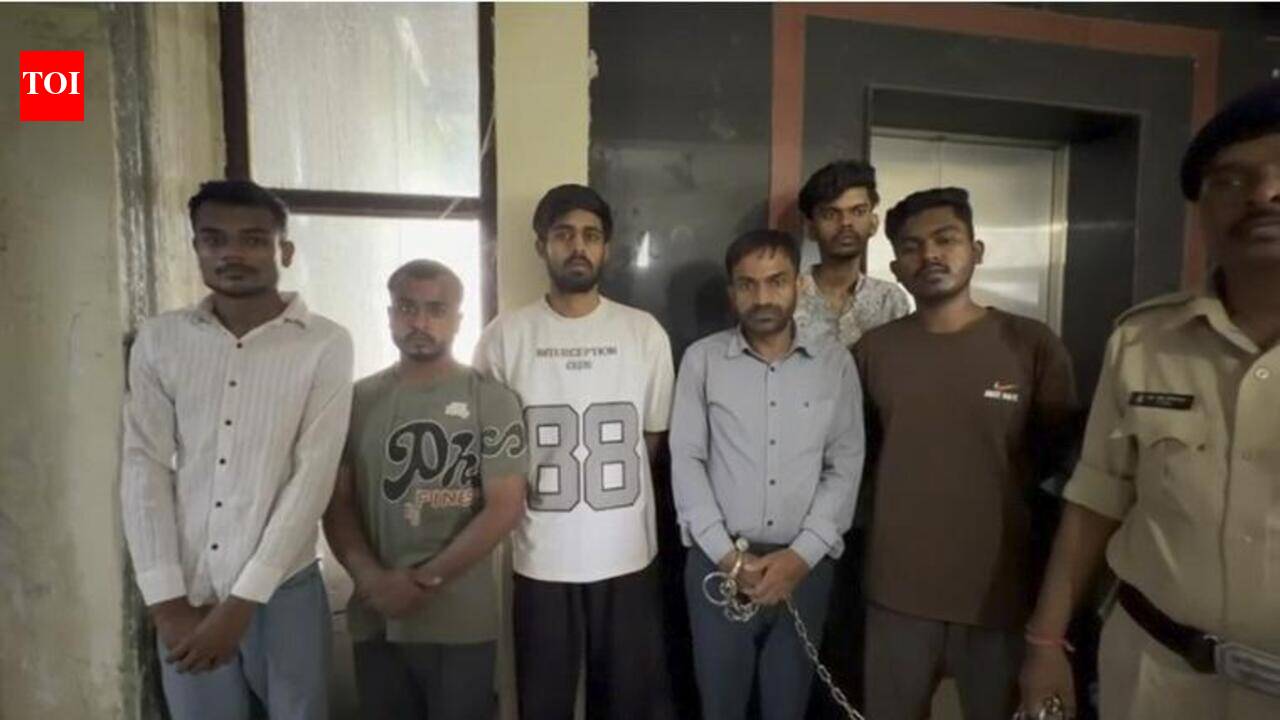
Authorities in Chhattisgarh have arrested a professor and five students for using an endoscopic camera to photograph exam papers through sealed envelopes. This sophisticated breach at Indira Gandhi Krishi Vishwavidyalaya highlights critical vulnerabilities in traditional paper-based testing security.
Sophisticated Breach at IGKV: A New Frontier in Exam Malpractice
The recent arrest of a professor and five students from Bharti Agriculture College in Durg district has sent shockwaves through the academic community in Chhattisgarh. The investigation into the BSc agriculture paper leak at Indira Gandhi Krishi Vishwavidyalaya (IGKV) reveals a level of technical sophistication that challenges conventional security measures. By utilizing an endoscopic camera—a device typically reserved for medical diagnostics—the accused managed to compromise the integrity of the entomology examination without leaving the obvious physical traces associated with tampering.
The Mechanics of the Leak
According to the FIR and statements from Deputy Commissioner of Police (Crime and Cyber) Smruthik Rajanala, the process involved a calculated insertion of the miniature camera through a minute incision in the sealed envelope. This allowed the perpetrators to scan the contents while maintaining the illusion that the seal remained intact. This method represents a significant departure from traditional paper leaks, which usually involve physical theft or collusion with printing press staff, and underscores the evolving nature of academic fraud in the digital age.
Accountability and Institutional Impact
At the center of the probe is 38-year-old professor Yogesh Sonkesariya. His alleged involvement as an insider acting on behalf of his students highlights a disturbing breakdown of professional ethics within the private college system. By providing unauthorized access to examination materials, the accused did not merely cheat; they systematically undermined the credibility of the degree programs at IGKV. The police have further indicated that this group may be responsible for other exam leaks, suggesting a broader, more entrenched network of malpractice.
Broader Implications for Exam Security
This incident serves as a wake-up call for educational institutions across India. As academic institutions continue to rely on physical paper envelopes for high-stakes testing, they are increasingly vulnerable to miniaturized surveillance technology. The ability to bypass physical seals using non-invasive tools forces a re-evaluation of current security protocols, which were clearly not designed to detect microscopic insertions or high-resolution optical scanning tools.
Future Trends and Necessary Reforms
Moving forward, universities must consider shifting toward more secure, digitized testing environments or adopting advanced tamper-evident technologies that can detect even the smallest physical breaches. As the barrier to entry for high-tech surveillance tools drops, the risk of such 'stealth' leaks will likely increase. Ensuring the sanctity of competitive and academic examinations will require not just physical security, but also a technological overhaul of how sensitive documents are stored, transported, and monitored.
Conclusion
The IGKV scandal is a stark reminder that academic integrity is constantly under threat from those willing to leverage modern technology for illicit gains. As the legal process unfolds for the six suspects, the focus must shift toward systemic reform to ensure that such sophisticated breaches are prevented, protecting the future of students who rely on the integrity of their examinations.