150 Mundakkai-Chooralmala families to get ₹2 lakh livelihood assistance
Source Entity
India Latest News: Top National Headlines Today & Breaking News | The Hindu
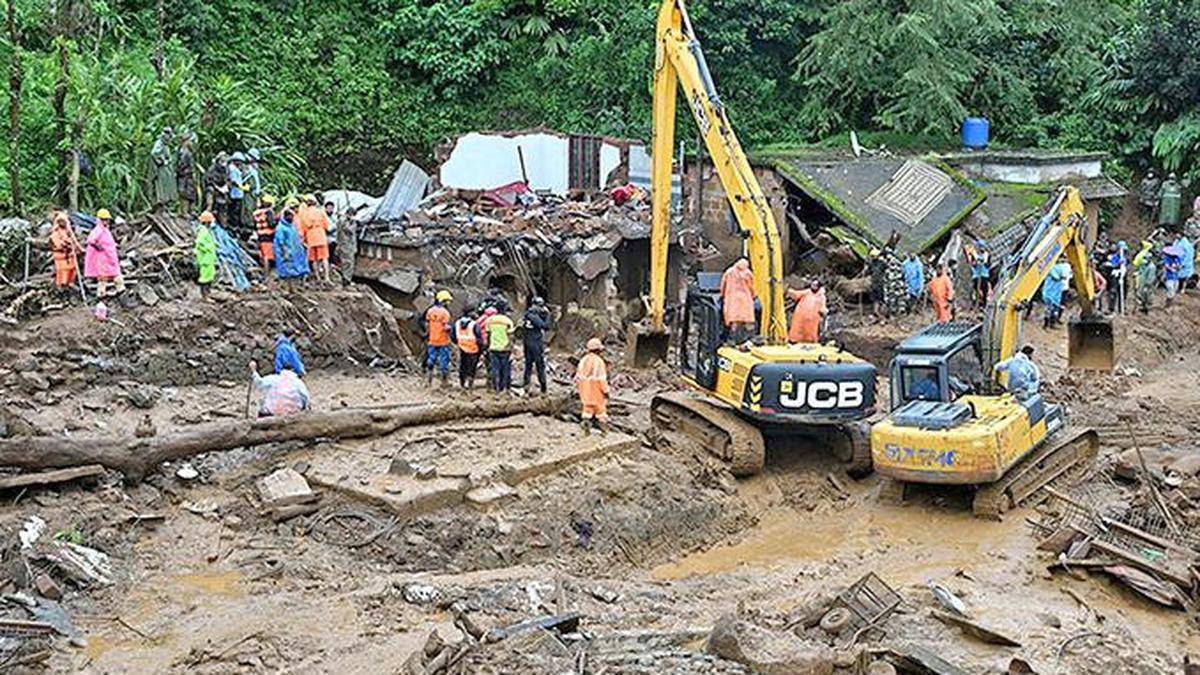
The Kerala government is providing ₹2 lakh in livelihood assistance to 150 families impacted by the Mundakkai-Chooralmala landslides. This initiative, managed through the Kudumbashree Mission, aims to restore economic stability via self-employment.
Supporting Recovery: Livelihood Assistance for Landslide Survivors
In a significant step toward rehabilitation, the Kerala government has initiated a financial aid program for families devastated by the Mundakkai-Chooralmala landslides. Agriculture Minister T. Siddique is set to inaugurate the distribution of ₹2 lakh per family to the first cohort of 150 affected households. This event, scheduled at the Chandragiri auditorium in Kalpetta, marks a critical phase in the long-term recovery efforts for a region that faced unprecedented environmental destruction.
The Role of the CMDRF and Kudumbashree
The funding for this initiative is sourced from the Chief Minister’s Distress Relief Fund (CMDRF), demonstrating the state's reliance on centralized emergency resources to address localized catastrophes. By channeling these funds through the Kudumbashree Mission—a women-oriented, community-based poverty alleviation program—the government is leveraging an established grassroots infrastructure to ensure transparency and effective distribution. This partnership is designed to move beyond mere immediate relief, focusing instead on sustainable economic reintegration.
Economic Restoration Through Micro-Plans
The broader scope of the intervention targets a total of 433 families identified under the micro-plan project. By providing ₹2 lakh to each family, the government is not merely offering a grant but an investment in self-employment and entrepreneurial ventures. The primary objective is to empower survivors to develop stable, independent income streams, which is essential for communities that have lost their traditional means of livelihood due to the landslides.
Scaling the Rehabilitation Effort
The current distribution represents a significant milestone in the first phase of the project, for which ₹3.61 crore has already been sanctioned. This financial commitment highlights the depth of the economic impact of the disaster and the state's commitment to systematically addressing the needs of each affected household. As the project progresses, the focus will likely remain on scaling these micro-plans to cover the remaining families in the disaster-affected zone.
Future Outlook and Sustainability
Looking ahead, the success of this program will depend on the ability of the Kudumbashree Mission to provide ongoing mentorship and support for the new entrepreneurial ventures. Restoration in the wake of such a tragedy requires more than capital; it requires a structural shift in how these families rebuild their lives. By focusing on self-employment, the government is attempting to foster resilience, ensuring that the affected families are not just surviving on relief, but are actively participating in their own economic recovery.
Conclusion
The distribution of aid in Kalpetta is a vital component of the state’s multi-pronged approach to disaster recovery. By addressing the immediate need for capital while simultaneously fostering long-term self-reliance, the Kerala government is providing a roadmap for post-disaster economic stabilization. As the 150 families receive their assistance, the attention will rightly shift to the efficacy of these micro-plans and their potential to serve as a model for future disaster management initiatives.
Verification Required?