Fungus In Vegetables, Expired Products Found At 36 Train Stations In Karnataka
Source Entity
NDTV News Search Records Found 1000
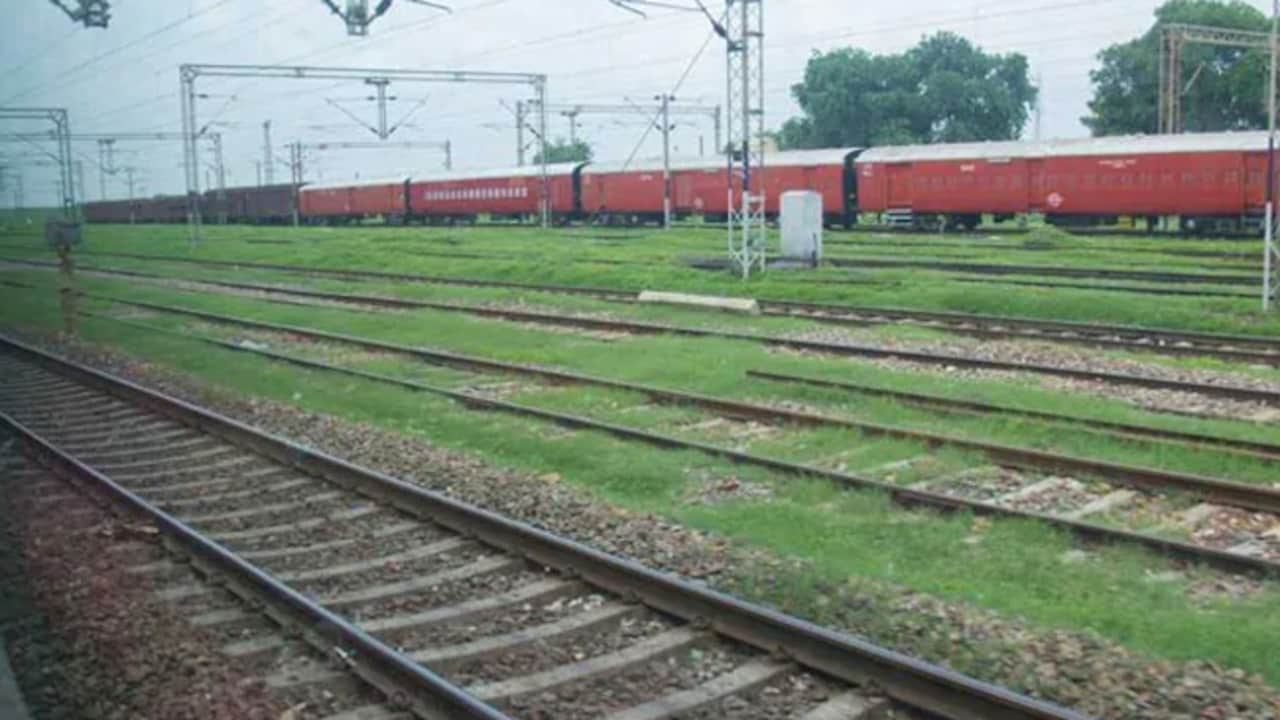
India's rail network is advancing with the Vande Bharat Express hitting 100 kmph on the Chenab Bridge and a new freight rake reaching 145 kmph in trials. Meanwhile, safety inspections in Karnataka highlight a contrast in hygiene standards between general railway canteens and Vande Bharat pantries.
Advancements in Indian Rail Infrastructure and Performance
The Indian railway network is currently undergoing a period of rapid modernization, characterized by both infrastructural marvels and high-speed trials. Recent reports indicate that the Vande Bharat Express has successfully clocked speeds of nearly 100 kmph while traversing the Chenab Railway Bridge in Jammu and Kashmir. This achievement follows the Ministry of Railways' decision to increase the maximum permissible speed on the 111-km broad gauge stretch between Katra and Banihal, marking a significant milestone for connectivity in the region.
Engineering Feats in Jammu and Kashmir
The Chenab Railway Bridge, recognized as the world's highest railway bridge, serves as a critical link in the ambitious Katra-Banihal project. By permitting speeds of up to 100 kmph on this section, the Northern Railway is effectively reducing transit times and enhancing the logistical reliability of the Jammu and Kashmir rail corridor. This development is not merely a technical success; it represents a strategic improvement in regional integration, allowing for faster and more efficient passenger movement across challenging mountainous terrain.
The Future of Logistics: Vande Bharat Freight Trials
Beyond passenger services, the Vande Bharat platform is expanding into the freight sector. The first Vande Bharat freight train recently achieved a speed of 145 kmph during a trial run conducted by the Research Designs and Standards Organisation (RDSO) and the Integral Coach Factory (ICF) on the West Central Railway's Chaumahla-Shamgarh-Gurla section. These trials, which included rigorous emergency braking and oscillation tests, signify a shift toward high-speed cargo delivery, potentially transforming the economics of rail-based logistics in India.
Assessing Hygiene and Safety Standards
While infrastructure speed is increasing, administrative oversight remains equally critical. Recent inspections by the Karnataka Food Safety and Drugs Administration (KFSDA) across 36 railway stations and 112 food establishments revealed concerning hygiene violations, including the presence of expired dairy products and improper food handling practices. However, these reports provided a notable caveat: the pantry facilities aboard Vande Bharat express trains were found to be clean and well-maintained, suggesting that the premium service model maintains higher operational standards compared to traditional station-based vendors.
Broader Implications and Future Trends
These events underscore a dual-track strategy within the Indian Railways: aggressively pursuing technological speed and capacity while simultaneously addressing the quality of service delivery. The success of the Vande Bharat platform—both in passenger and freight configurations—sets a new benchmark for the national network. As the railway ministry continues to clear speed enhancements and prioritize safety, the focus will likely remain on scaling these successes to older sections of the network while enforcing stricter food safety compliance across all railway-affiliated vendors.
Conclusion
The integration of high-speed rail technology and the proactive monitoring of station facilities reflect a comprehensive approach to modernizing India's rail transport. Whether through the structural engineering triumph of the Chenab Bridge or the operational efficiency of new freight rakes, the Vande Bharat initiative is central to India's vision of a modernized, high-speed, and safe transportation future.
Multiple Citing Sources
Verification Required?