Tribal Minister, 20-Crore Plot, And A "General" Entry Row In Chhattisgarh
Source Entity
NDTV News Search Records Found 1000
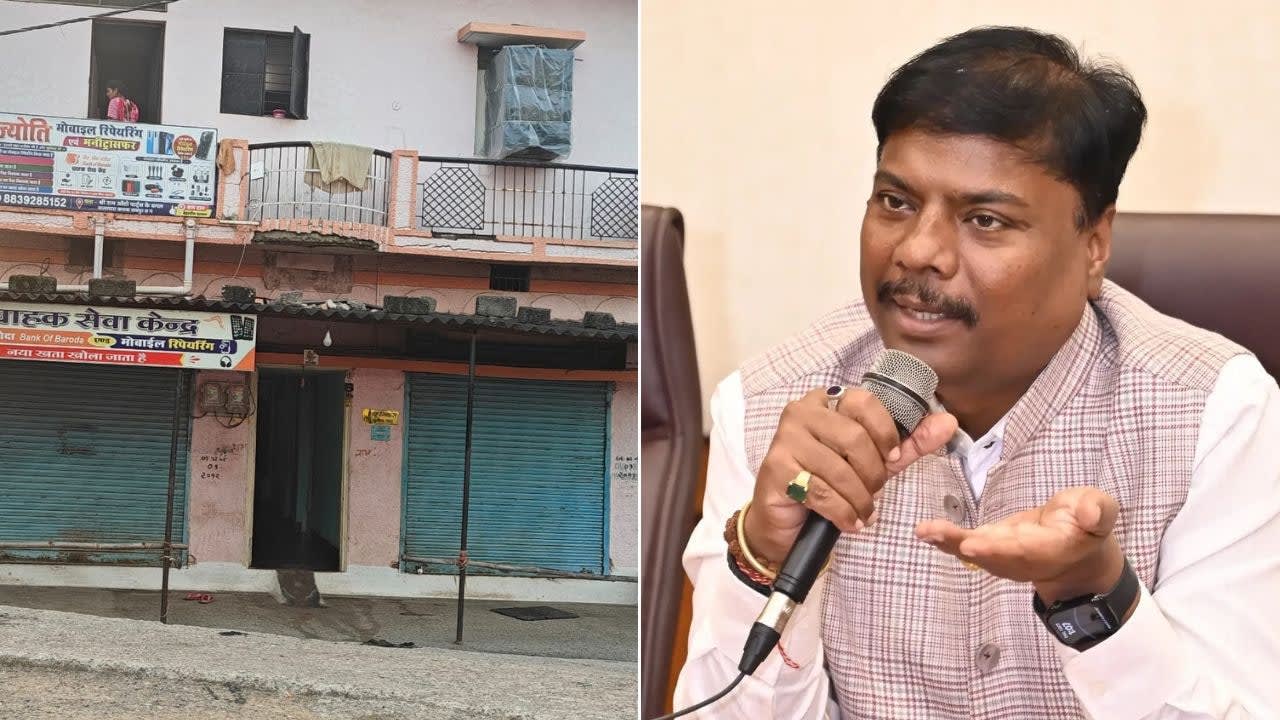
Chhattisgarh Minister Kedar Kashyap is currently facing a land controversy involving a 20-crore plot. The dispute centers on allegations regarding a 'General' category entry in official land records.
The Chhattisgarh Land Controversy: An Overview
Recent reports have placed Chhattisgarh Minister Kedar Kashyap at the center of a significant land dispute involving a property valued at approximately 20 crore rupees. The controversy revolves around the legal and administrative classification of a specific plot, which has sparked intense scrutiny regarding land acquisition protocols and the integrity of property records in the state.
The 'General' Entry Conflict
The core of the issue lies in a contentious 'General' category entry within the official land records. In regions with significant tribal populations like Chhattisgarh, land laws are often designed to protect indigenous rights and prevent the alienation of tribal lands to non-tribal entities. The classification of a plot as 'General' as opposed to protected categories carries profound legal implications for ownership, transferability, and the eligibility of specific individuals to hold title to such property.
Administrative and Political Implications
The involvement of a high-ranking minister in a land row of this financial magnitude raises critical questions regarding transparency and administrative accountability. When land records are subject to reclassification or disputed entries, it invites public skepticism about the influence of political figures on bureaucratic processes. This case highlights the tension between land development interests and the stringent regulatory frameworks intended to govern land use in the state.
Historical and Regulatory Context
Chhattisgarh has a long history of land disputes, often rooted in the complexities of the Chota Nagpur Tenancy (CNT) Act and other regional land revenue codes. These laws were historically enacted to safeguard land belonging to vulnerable communities. Whenever a high-value property is flagged for an irregular entry, it reignites debates about the efficacy of current oversight mechanisms and the potential for systemic loopholes that can be exploited for financial gain.
Future Trends and Transparency
Looking ahead, this event is likely to fuel calls for the complete digitization and audit of land records across Chhattisgarh to prevent unauthorized classification changes. The resolution of this specific row will serve as a bellwether for how the current administration handles allegations of conflict of interest. Future trends suggest that political scrutiny regarding land assets will intensify, as the public increasingly demands accountability for how state resources and land categories are managed by those in power.
Conclusion
The unfolding situation involving Minister Kedar Kashyap underscores the volatile intersection of politics and land management. As investigations or inquiries into the 20-crore plot progress, the focus will remain on the legitimacy of the 'General' entry and whether the established legal safeguards for land ownership were bypassed. The case remains a significant test of the administrative integrity and the robustness of land governance in the region.
Verification Required?