Chhattisgarh school principal removed ‘for distributing books on Asaram to students’
Source Entity
Jayprakash S Naidu
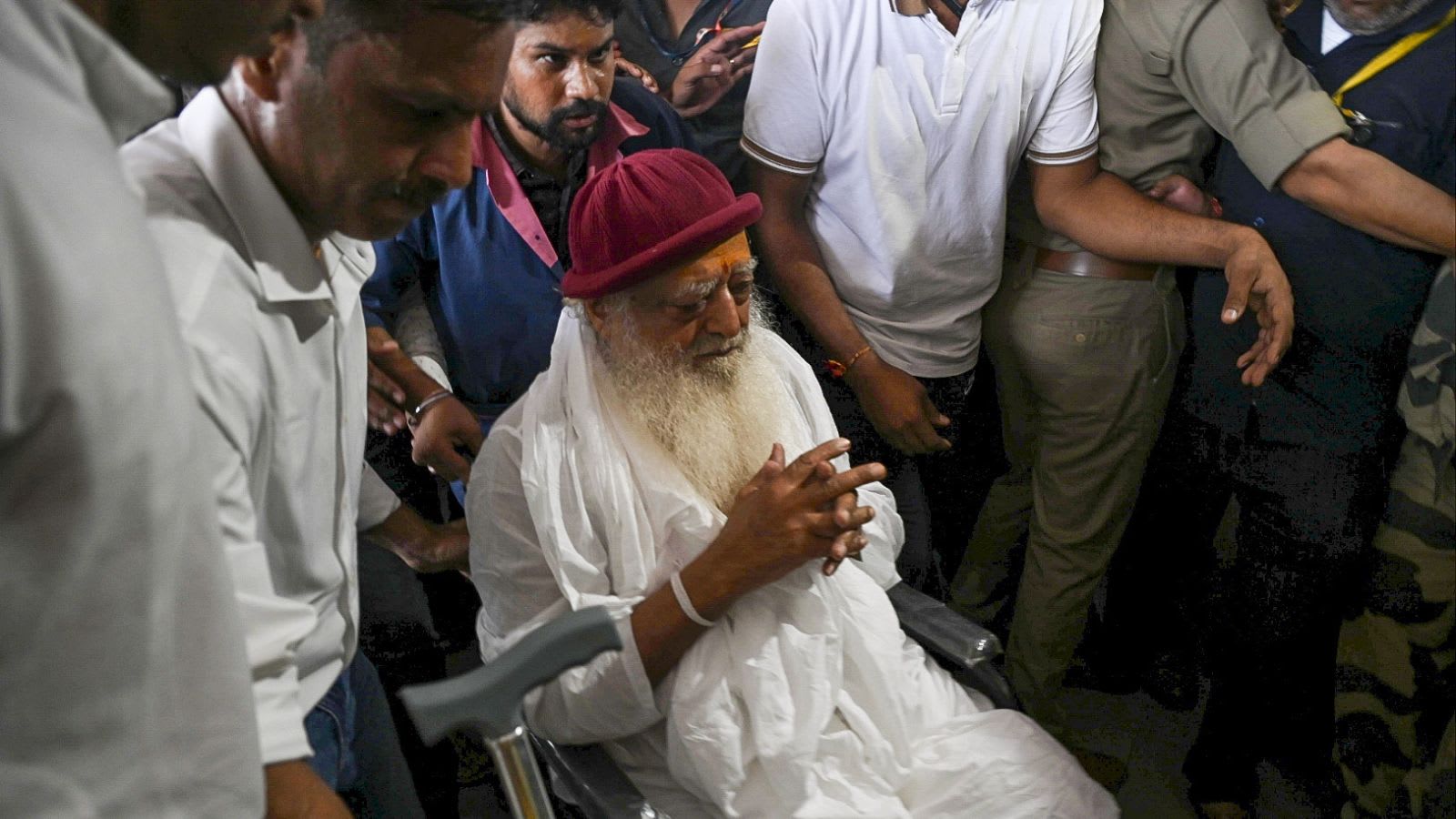
A Chhattisgarh government school principal was removed from his post after distributing booklets about convicted figure Asaram to middle school students. The incident in Balrampur district triggered parental complaints, leading to an immediate administrative investigation and transfer.
Administrative Action in Balrampur Following Controversial Book Distribution
The recent administrative decision to remove the principal of the Swami Atmanand Government English Medium School of Excellence in Raghunathpur, Chhattisgarh, highlights the sensitive intersection of public education and the influence of controversial figures. The incident, which occurred on October 26, involved the distribution of booklets associated with Asaram, a man currently serving a life sentence for rape, to a group of 25-30 middle school students. The swift reaction by the Balrampur district administration—transferring the principal to the collector’s office—underscores the state's prioritization of maintaining a secular and safe educational environment for minors.
The Sequence of Events and Discovery
The breach of protocol came to light on October 27, merely a day after the distribution occurred. The discovery was not a result of internal administrative monitoring but rather a direct intervention by a concerned parent. When the students returned home with the literature, the discrepancy between the school's approved curriculum and the unauthorized content became evident. This parental vigilance served as the catalyst for the subsequent official inquiry, demonstrating the crucial role local communities play in overseeing the integrity of government-run educational institutions.
Institutional Integrity and State Oversight
Swami Atmanand Government English Medium Schools are prestigious institutions in Chhattisgarh, designed to provide high-quality English-language education to students from diverse backgrounds. The distribution of literature linked to a convicted criminal within such a flagship institution poses a significant reputational risk to the state’s education department. By attaching the principal to the collector’s office, the administration has effectively removed the individual from his position of authority, ensuring that the school's environment is shielded from further controversy while an investigation proceeds.
Broader Implications for Educational Governance
This incident serves as a case study for the challenges of monitoring extracurricular influences in rural schools. With over 100 students enrolled at the Raghunathpur facility, the principal held a significant level of trust and influence over the student body. The unauthorized dissemination of material connected to a figure serving a life sentence for sexual assault raises serious questions about the professional judgment of educators and the need for stricter adherence to state-mandated academic guidelines. It also highlights the necessity for vetting all materials introduced to young, impressionable students.
Future Trends and Administrative Accountability
Moving forward, the Chhattisgarh education department is likely to implement more rigorous oversight mechanisms to prevent similar lapses. The policy of 'attaching' officials to higher administrative offices during investigations is a standard procedure in Indian bureaucracy, meant to isolate the accused from the scene of the incident. The conclusion of this case will likely set a precedent for how school administrators are held accountable when they bypass official channels to introduce external ideologies or controversial figures into the classroom. The focus remains on safeguarding the educational environment and ensuring that government resources are utilized solely for approved, secular, and age-appropriate learning objectives.