Bus to Hyderabad ‘skips pickup’ causing him to miss urgent meeting, man wins Rs 14,700
Source Entity
Vineet Upadhyay
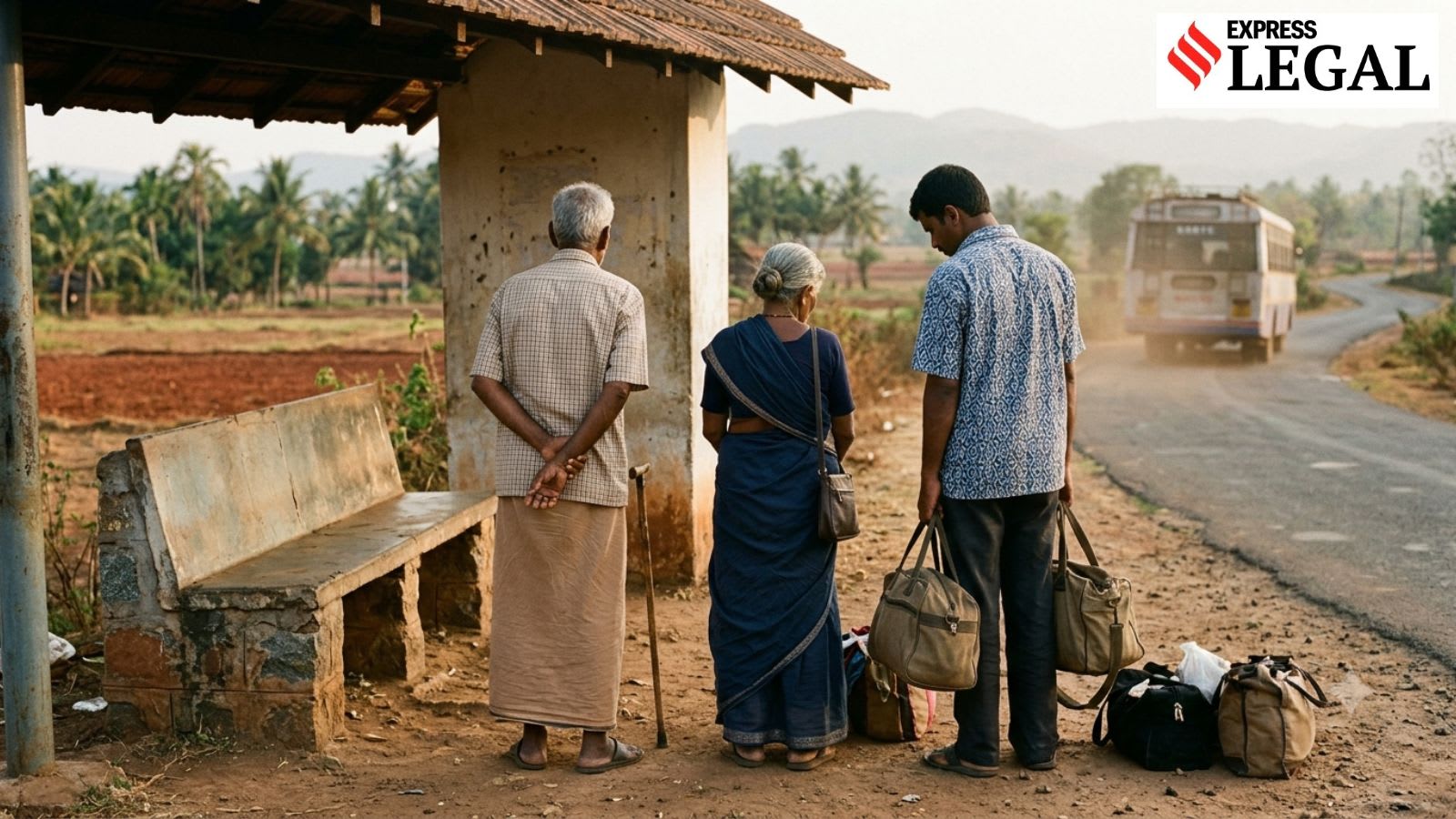
Recent rulings by Indian consumer commissions have held service providers accountable, awarding compensation to passengers and customers for deficiency in service. These cases highlight the legal recourse available against travel companies and public utilities for negligence and unfair trade practices.
Consumer Accountability in the Service Sector: A Legal Perspective
Recent judicial interventions by various District Consumer Disputes Redressal Commissions across India underscore a growing trend of holding service providers accountable for failures in service delivery. Whether it is a private bus operator, a holiday membership firm, or the national railway network, these rulings reinforce the principle that consumers are entitled to the services they pay for and deserve protection from negligence and mental agony.
The Ballari Bus Dispute: Negligence and Conduct
In a notable case in Ballari, Karnataka, a 28-year-old passenger, N. Anudeep, successfully challenged a private travel operator after his bus from Ballari to Hyderabad missed its designated pickup point. The incident, which caused the complainant to miss an urgent office meeting, was compounded by the alleged abusive behavior of the staff. The commission, led by President N. Thippeswamy and member Marla Shashikala, recognized the deficiency in service and the mental harassment faced by the passenger, awarding him a total of Rs 14,725. This case highlights how logistical failures in the private transport sector, when coupled with poor customer handling, can lead to significant legal liability.
Holiday Firm Malpractice in Chhattisgarh
In a separate instance, the Raipur District Consumer Disputes Redressal Commission tackled unfair trade practices in the hospitality industry. A holiday membership company was found guilty of failing to provide promised facilities despite collecting substantial membership and annual maintenance fees. The bench, led by Dakeshwar Prasad Sharma, ordered a refund of Rs 1.06 lakh, alongside compensation and litigation costs totaling Rs 1.4 lakh. This ruling serves as a stern reminder to firms that marketing promises must be backed by tangible, reliable service delivery.
Railway Negligence: The Fundamental Right to Basic Amenities
Perhaps the most significant ruling involves the South Western Railway, where a family of 23, including four children, was forced to deboard a train due to a lack of water in the washrooms. The commission found this to be a clear case of service deficiency, noting that basic hygiene and sanitation are non-negotiable aspects of public transport. The order mandates a refund of ticket costs along with Rs 15,000 in compensation and litigation fees, signaling that public service providers are not exempt from consumer protection standards.
Broader Implications and Future Trends
These cases collectively signal a shift toward a more proactive consumer culture in India. As consumers become increasingly aware of their rights under the Consumer Protection Act, service providers are finding it harder to dismiss complaints as mere inconveniences. The trend suggests that commissions are moving beyond simple refunds and are increasingly awarding compensation for 'mental agony' and 'litigation costs' to act as a deterrent against future lapses.
Conclusion: Empowering the Modern Consumer
Ultimately, these rulings serve as a vital mechanism for ensuring service quality. By holding both private entities and public institutions accountable, the consumer commissions are fostering an environment where accountability is prioritized. As these precedents grow, it is likely that companies will invest more heavily in service reliability and customer grievance redressal to avoid the legal and reputational costs associated with such rulings.