Solving Crime | How a rejected proposal led to a 4-year conspiracy and a brutal acid attack
Source Entity
Atiya Firdos
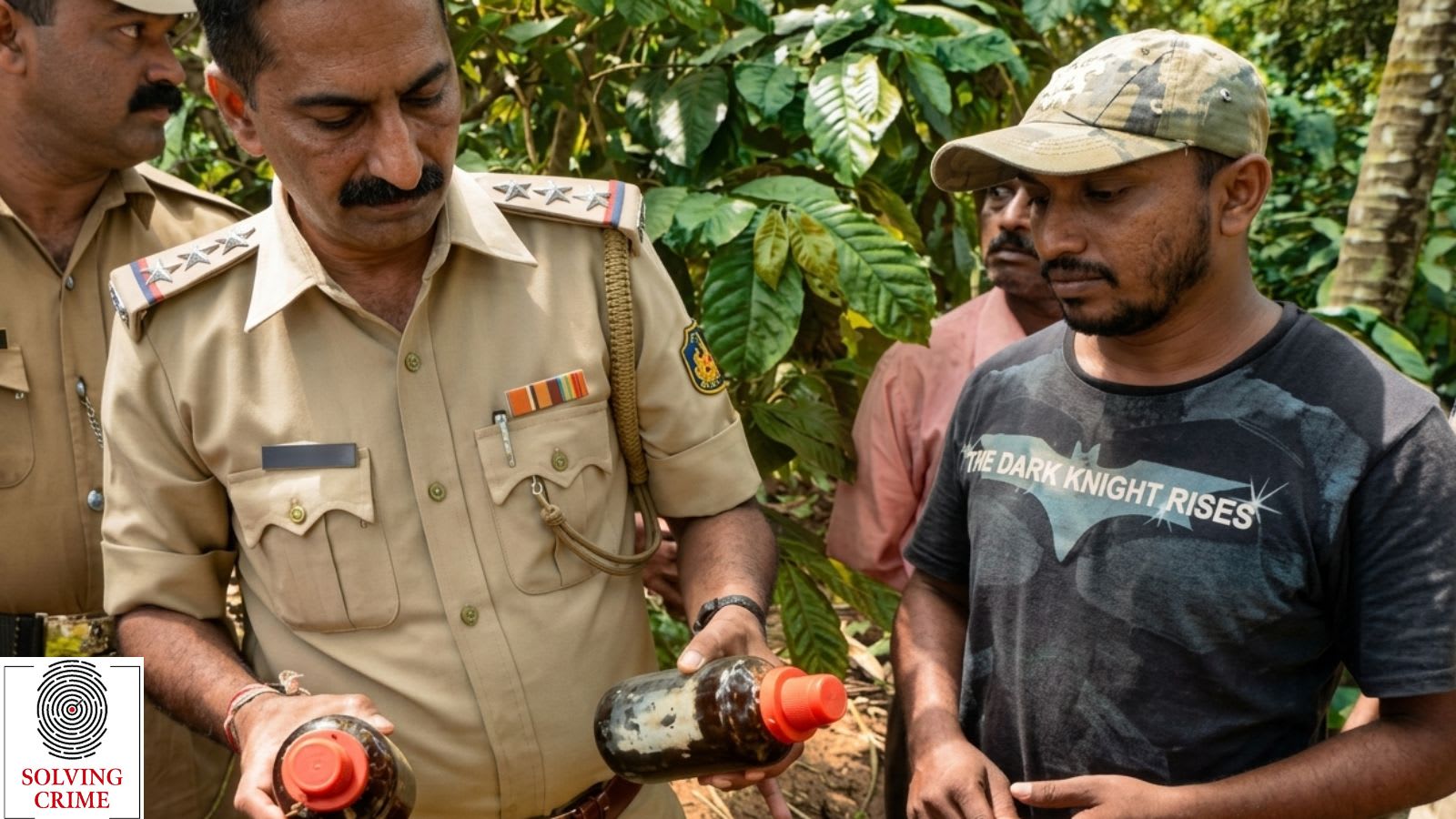
A 2015 acid attack in Karnataka, India, stemmed from a rejected marriage proposal, triggering a complex four-year investigation. The case highlights the severe dangers of targeted violence against women and the persistence required in the pursuit of justice.
The Anatomy of a Targeted Attack: Analyzing the 2015 Chikkamagaluru Incident
The Incident: A Calculated Ambush
In April 2015, the serene village of Menase in Karnataka’s Chikkamagaluru district became the site of a harrowing act of violence. Sumana, a 29-year-old beauty parlour owner, was returning from her daily work routine when she was intercepted by two men. The attackers utilized a common social engineering tactic—pretending to be lost and asking for directions—to lower her guard. This calculated approach highlights the predatory nature of such crimes, where the victim’s inherent kindness and helpfulness are weaponized against them to facilitate a brutal assault.
The Catalyst: Gender-Based Violence and Rejection
Reports indicate that the motive behind this life-altering attack was a rejected marriage proposal. This event serves as a grim case study in gender-based violence, where the refusal of a romantic overture by a woman is met with extreme, disfiguring retaliation. Such acts are often rooted in a sense of entitlement, where the perpetrator seeks to exert control or punish the victim for exercising her agency. The transition from a social interaction to a targeted acid attack underscores the volatility of social dynamics in rural settings when interpersonal rejections are perceived as personal affronts.
The Immediate Aftermath and Medical Crisis
Following the assault, the victim’s family acted with immediate urgency, transporting her to a local facility before she was transferred to Manipal for specialized care. Acid attacks result in profound physical trauma, requiring long-term medical intervention, multiple reconstructive surgeries, and significant psychological support. The logistical challenge of moving a victim from a rural village to a tertiary care center in a major city illustrates the disparity in healthcare access for victims of violent crime in remote areas.
The Four-Year Investigation
While the context notes the filing of an FIR, the subsequent investigation spanned four years. Such a timeline is indicative of the complexities often faced by law enforcement in cases where perpetrators use anonymity—such as helmets—to evade capture. A four-year conspiracy suggests that the planning was not merely impulsive but involved a level of deliberation that required extensive forensic work, digital tracking, and witness testimony to unravel the web of involvement.
Broader Implications and Societal Trends
This case mirrors a broader, disturbing trend of acid violence globally and within India, where such attacks are used to permanently mark and intimidate women. The legal system’s struggle to bring these perpetrators to justice quickly highlights the need for specialized victim support and faster judicial processes. Future trends in crime prevention must focus on both stricter regulation of acid sales and a societal shift that addresses the root causes of toxic entitlement and gender-based violence.
Conclusion
The case of the 2015 Chikkamagaluru acid attack is a sobering reminder of the long-term consequences of gender-based violence. The four-year pursuit of justice serves as a testament to the resilience of the victim and the necessary persistence of the legal system in ensuring that such calculated acts of malice are thoroughly investigated and punished.