China’s Crude Oil Imports Crash to Decade Low as Hormuz Crisis Bites
Source Entity
Yahoo Finance
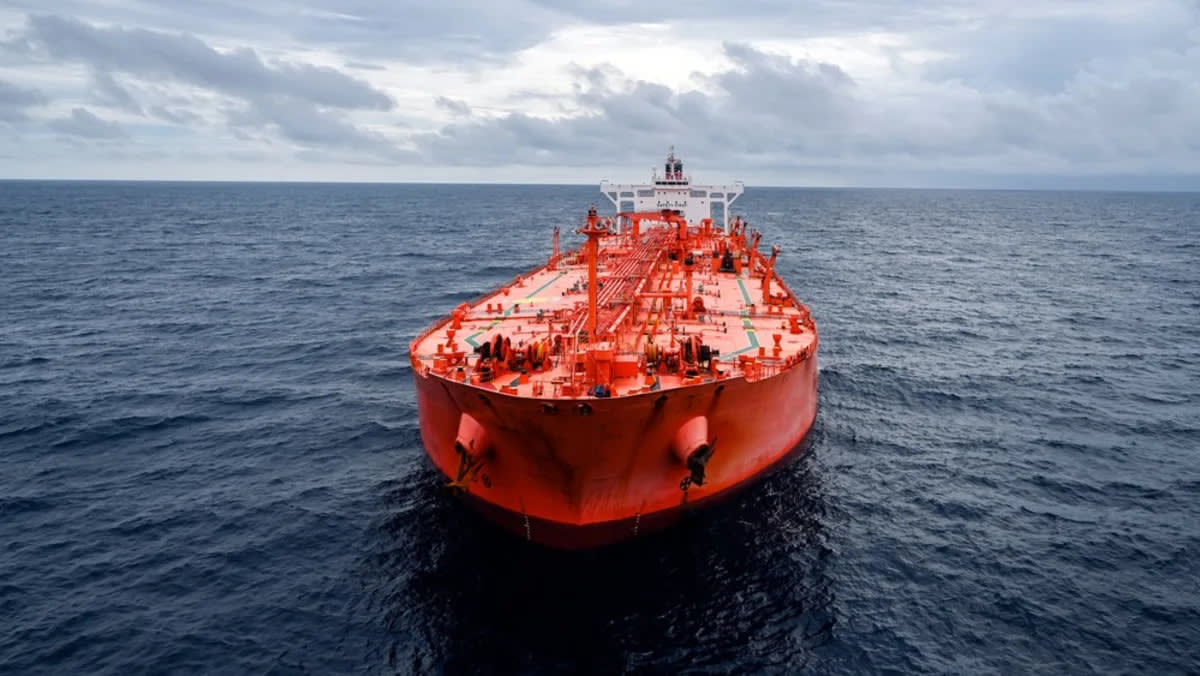
China's crude oil imports crashed to a decade-low in June as the reduced flows through the Strait of Hormuz hiked oil prices and reduced refiners' appetite for costly crude. Overall Chinese imports o...
Analysis: China's Energy Vulnerability Amid the Hormuz Crisis
China, the world's largest importer of crude oil, has seen its imports crash to a ten-year low in June. This sharp decline is not a result of falling domestic demand, but rather a direct consequence of geopolitical instability in the Strait of Hormuz. As a critical chokepoint for global energy transit, any disruption in the Strait immediately translates into higher global benchmarks for oil prices. For Chinese refiners, the combination of reduced flow and inflated costs has created a volatile environment where the economic viability of importing crude has diminished, leading to a strategic reduction in intake.
The Strategic Significance of the Strait of Hormuz
To understand the gravity of this crash, one must consider the role of the Strait of Hormuz. This narrow waterway is the primary artery for oil exports from the Persian Gulf, including massive volumes from Saudi Arabia, Iraq, and the UAE. When a crisis bites in this region, the immediate result is a 'risk premium' added to the price of every barrel. Because China relies heavily on Middle Eastern crude to fuel its industrial machine, the instability in Hormuz creates a double-edged sword: it restricts the physical availability of the oil while simultaneously making the available supply prohibitively expensive.
Economic Pressure on Chinese Refiners
The reported 'reduced appetite' among refiners is a calculated economic response. Refineries operate on thin margins; when the cost of raw crude spikes due to geopolitical shocks, the cost of production increases. If refiners cannot pass these costs onto consumers or if the global market for refined products is saturated, they face significant losses. Consequently, many refiners have opted to scale back their imports in June, preferring to draw from existing stockpiles or reduce production levels rather than purchase crude at peak prices driven by the Hormuz crisis.
Diversification and the 'Malacca Dilemma'
This event underscores China's long-standing 'Malacca Dilemma'—the fear that a naval blockade or regional conflict could sever its energy lifelines. The current crash in imports highlights why Beijing has aggressively pursued the Belt and Road Initiative (BRI) and invested heavily in pipelines through Central Asia and Russia. By diversifying its energy sources and routes, China aims to reduce its dependence on the maritime chokepoints of the Middle East. However, the June data proves that despite these efforts, the Chinese economy remains acutely sensitive to disruptions in the Strait of Hormuz.
Future Market Trends and Implications
Looking ahead, this trend suggests a period of increased volatility in the global energy market. If the crisis in the Strait of Hormuz persists, we can expect China to further accelerate its transition toward renewable energy and domestic production to insulate itself from external shocks. Furthermore, this may lead to a shift in trade dynamics, where China seeks more long-term, fixed-price contracts with non-Gulf nations to avoid the spot-market spikes associated with geopolitical instability.
Conclusion
The crash of China's crude oil imports to a decade low is a stark reminder of the fragility of global supply chains. The intersection of geopolitical conflict in the Strait of Hormuz and the economic realities of refining has forced a significant contraction in energy imports. This event will likely serve as a catalyst for China to further pivot its energy strategy away from vulnerable maritime routes and toward more secure, diversified land-based alternatives.