China's New Missile Can Target Planes Flying Near US: Report
Source Entity
NDTV News Search Records Found 1000
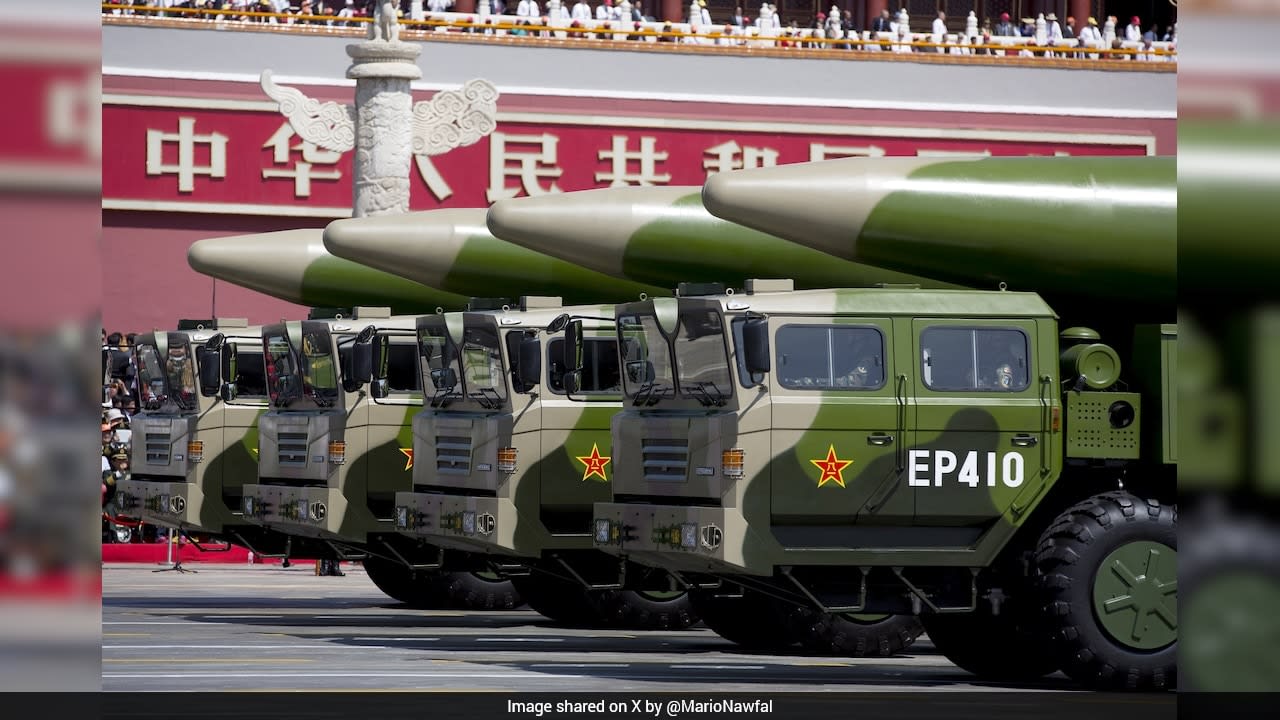
China has developed hypersonic glide vehicles capable of launching air-to-air missiles to target high-value US aircraft from thousands of miles away. This advancement represents a significant shift in military technology, potentially threatening surveillance and command-and-control planes.
The Shift in Hypersonic Warfare
Recent reports indicate that China has achieved a significant military breakthrough by developing hypersonic glide vehicles (HGVs) capable of launching air-to-air missiles. Unlike traditional ballistic missiles, these systems combine the extreme speed and maneuverability of hypersonic flight with the capability to engage targets while in transit. This development signals a transition from using hypersonic technology solely for anti-ship or land-attack purposes to a more versatile role in aerial combat.
Targeting the 'Rear' Echelon
The primary objective of this new capability is to threaten high-value US support aircraft, such as command-and-control and surveillance planes, that operate far behind the front lines. By targeting these assets, which are essential for coordinating complex military operations, China aims to diminish the US military's ability to maintain situational awareness and secure communications. This capability effectively shrinks the 'safe' operating zones that aircraft like AWACS or aerial tankers have traditionally enjoyed.
Technical Capabilities and Range
Data suggests that an HGV deployed from China's DF-17 missile system could potentially travel upwards of 2,414 kilometers. This immense range, combined with the unpredictable flight paths characteristic of hypersonic vehicles, makes tracking and interception extremely difficult for existing defense systems. No other nation is currently known to possess an operational weapon system that integrates an HGV with air-to-air missile technology, placing China at the forefront of this specific niche of aerospace engineering.
Challenges and Strategic Context
Despite the technological leap, experts note that such complex weapons systems face significant operational challenges, including the extreme heat generated during hypersonic flight and the difficulty of target acquisition at such high speeds. Furthermore, this development must be viewed within the context of China’s rapidly expanding missile arsenal, which the Pentagon estimates includes over 3,000 ballistic and hundreds of cruise missiles as of 2024. This expansion is part of a broader strategy to challenge US naval and aerial dominance in the Indo-Pacific region.
Global Security Implications
The emergence of this technology has profound implications for regional and global security. As a major neighbor to India, China’s advancement in missile technology necessitates a reassessment of defense postures across the Asian theater. The US is responding by pursuing its own long-range missile programs, setting the stage for a new era of competitive arms development focused on speed, range, and the ability to neutralize critical support assets from unprecedented distances.
Verification Required?