Efforts on to identify tiger responsible for two human deaths in Gudalur
Source Entity
India Latest News: Top National Headlines Today & Breaking News | The Hindu
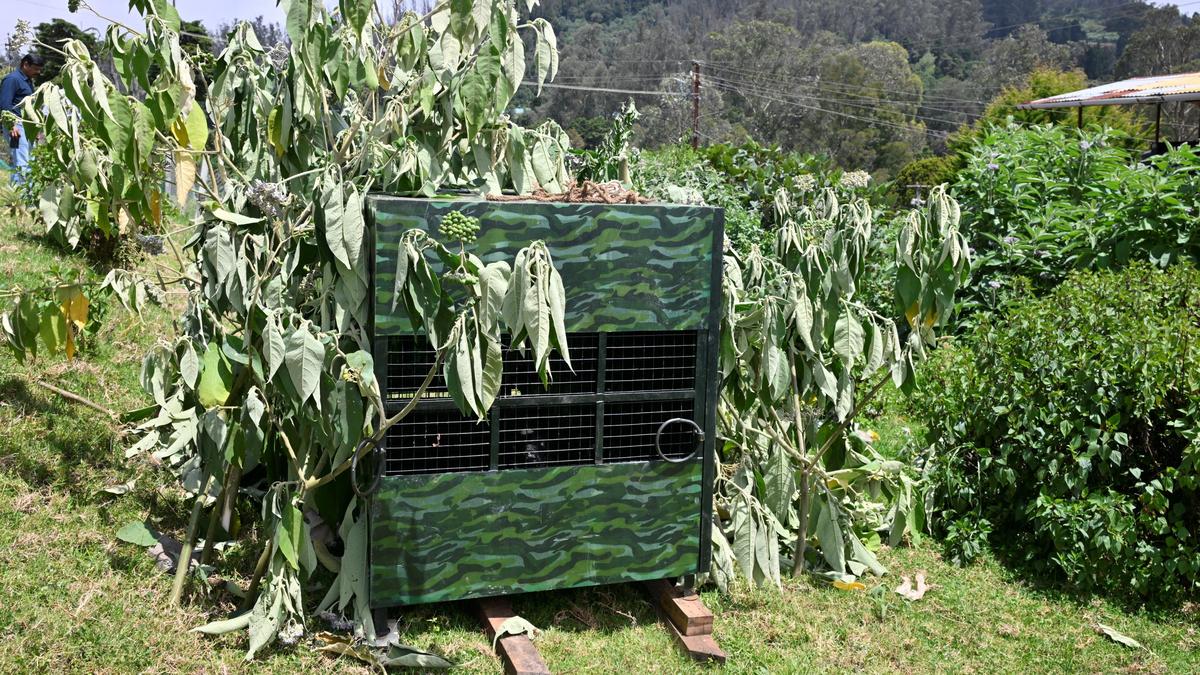
Forest officials in Gudalur are struggling to identify a tiger linked to two recent fatalities due to insufficient photographic evidence. Despite using drone surveillance, matching the animal to NTCA's M-STrIPEs database remains a challenge.
The Crisis in O’Valley: Navigating Human-Wildlife Conflict
The recent escalation of human-wildlife conflict in the O’Valley region of Gudalur, The Nilgiris, has left the local community in a state of heightened alert. Following the tragic deaths of two individuals, the Forest Department is currently tasked with the difficult challenge of identifying the specific tiger responsible for these fatal encounters. This situation underscores the precarious nature of cohabitation in regions where human settlements infringe upon or overlap with critical tiger corridors.
The Challenge of Identification and Technology
While the Forest Department has successfully utilized drone technology to locate a tiger in the vicinity, the primary obstacle remains the lack of high-quality photographic evidence. To confirm the identity of a tiger, officials must match physical markings—specifically the unique stripe patterns—against the National Tiger Conservation Authority’s (NTCA) M-STrIPEs database. Without a clear image, the scientific process of identification is stalled, preventing authorities from determining if the animal is a known inhabitant or a transient predator.
Ecological Complexity and Territorial Dynamics
Divisional Forest Officer P. Devaraj has noted that while a known male tiger frequents the area, the complexity of the local ecosystem cannot be ignored. The Gudalur region often sees overlapping territories, and officials are currently considering the possibility that more than one tiger may be utilizing the region. This adds a layer of difficulty to the ongoing investigation, as misidentifying the animal could lead to ineffective mitigation strategies that fail to address the actual source of the threat.
Broader Implications for Conservation
The incident in Gudalur serves as a sobering reminder of the challenges inherent in India’s tiger conservation success story. As tiger populations grow and expand into human-dominated landscapes, the frequency of such encounters is likely to rise. The reliance on the M-STrIPEs system highlights the integration of modern digital monitoring into wildlife management, yet this incident proves that technology is only as effective as the data captured in the field.
Future Trends and Mitigation
Moving forward, the Forest Department must balance the immediate need for public safety with the long-term goal of wildlife preservation. Future trends suggest a shift toward more intensive, localized monitoring and community-based alert systems. The investigation into the second fatality will be crucial in determining whether the attacks were an anomaly or indicative of a persistent behavioral shift in the local tiger population. As authorities continue their search, the emphasis remains on securing the perimeter while maintaining the ecological integrity of the Nilgiris landscape.
Verification Required?