China’s Rare Earth Strategy Is Forcing a U.S. Manufacturing Revolution
Source Entity
Yahoo Finance
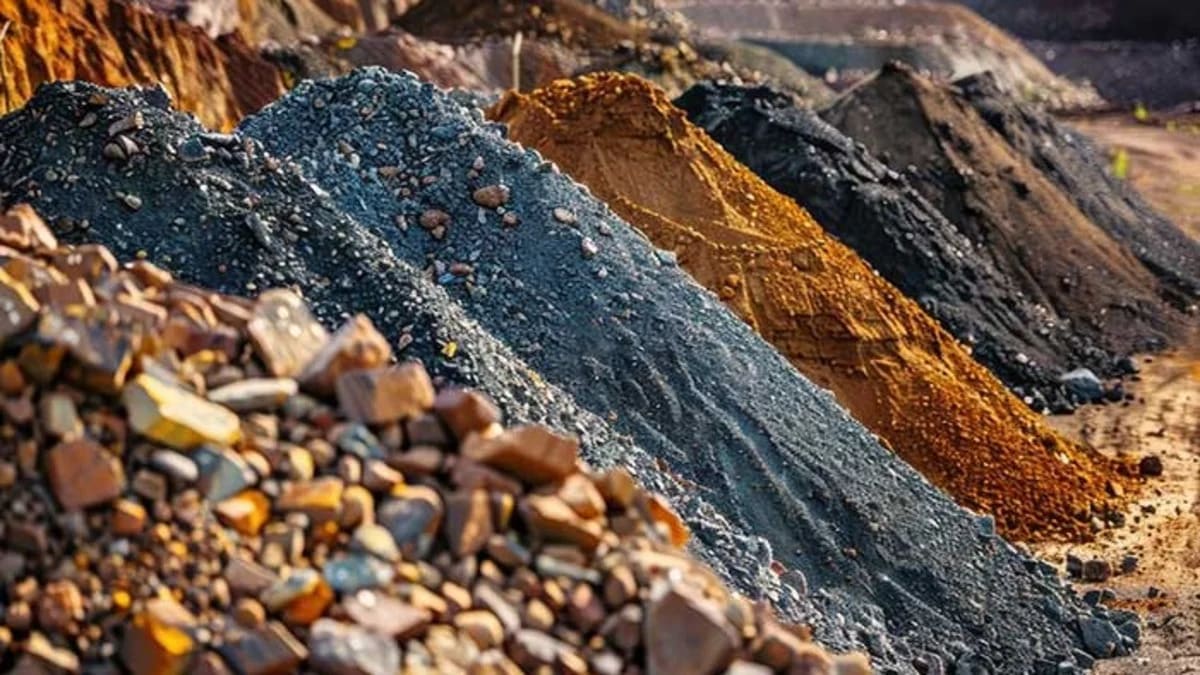
China has implemented a rigorous reporting system for strategic mineral exports, effectively tightening control over the global supply chain. This move has triggered a U.S. manufacturing shift as key American firms face direct export restrictions on Chinese-origin materials.
The New Frontier of Mineral Geopolitics
China’s recent implementation of a public reporting system for suspected violations of strategic mineral exports marks a significant escalation in the global resource race. By incentivizing employees, freight companies, and financial service providers to report potential loopholes—such as the rerouting of materials through third countries or the disguise of controlled products—Beijing has effectively turned the entire logistics and supply chain network into an enforcement arm. This move signals a transition from passive trade regulation to active, surveillance-based control over the global flow of rare earth elements, which are vital for modern technology and defense.
The Weaponization of Supply Chains
Historically, rare earth elements have been characterized by volatile pricing and concentrated production, with China maintaining a dominant market share for decades. The current strategy goes beyond mere market manipulation; it represents the weaponization of the supply chain. By requiring financial service providers and customs brokers to police end-user compliance, China is increasing the legal risk for any entity attempting to bypass its export restrictions. This creates a chilling effect on international trade, forcing companies to choose between adherence to Chinese mandates and the risk of catastrophic supply chain disruptions.
Targeting the American Manufacturing Base
In June, the geopolitical stakes were further raised when Beijing explicitly added major U.S. firms, such as MP Materials and USA Rare Earth, to its export control list. By blocking Chinese-origin, dual-use materials from reaching these specific companies, China is directly challenging the U.S. government’s push for domestic mineral independence. This action effectively forces American manufacturers to pivot their sourcing strategies, as they can no longer rely on the established, albeit constrained, Chinese supply lines that have fueled their operations for years.
The Catalyst for a U.S. Manufacturing Revolution
This aggressive stance is paradoxically acting as a catalyst for a U.S. manufacturing revolution. As China tightens its grip, the necessity for a resilient, domestic, and diversified supply chain becomes an existential priority for American industry. The restriction on dual-use materials serves as a wake-up call, accelerating investment into domestic mining, processing technologies, and alternative sourcing partnerships. The 'revolution' is not merely an economic shift but a strategic realignment toward national security and industrial autonomy.
Future Trends and Strategic Implications
Looking ahead, we can expect a continued bifurcation of the global rare earth market. As China increases its monitoring and control, U.S.-based firms will likely intensify their efforts to develop closed-loop supply chains that minimize dependence on Chinese-origin raw materials. This will likely lead to higher short-term costs for manufacturers but may yield a more stable and secure industrial base in the long term. Ultimately, China’s attempt to close every loophole is accelerating the very outcome it sought to prevent: the decoupling of Western manufacturing from Chinese mineral dependency.