China’s snooping around Pacific undersea cables raises risks for Big Tech
Source Entity
Jeremy Hsu
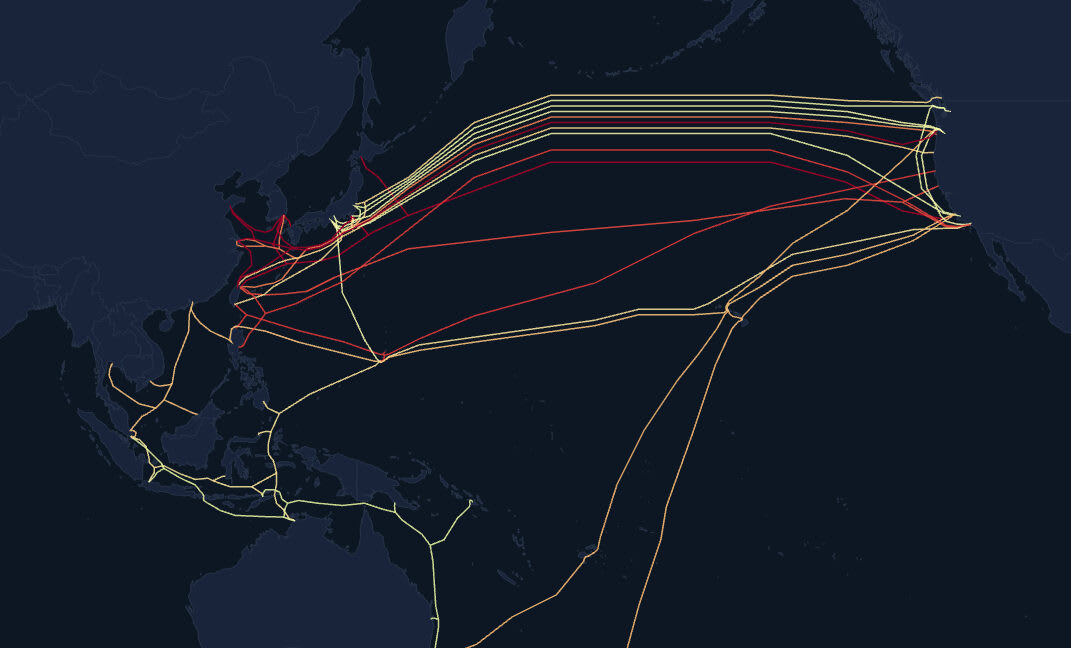
US-owned trans-Pacific undersea cables are facing heightened security risks from potential sabotage by Chinese vessels. While most cable damage remains accidental, rising geopolitical tensions have increased scrutiny on deliberate interference with critical internet infrastructure.
The Fragile Backbone of the Global Internet
Undersea cables serve as the silent, invisible arteries of the modern digital economy, carrying the vast majority of global data traffic. Recent reports indicate that trans-Pacific cables owned by major US technology giants, including Google and Meta, are facing unprecedented security risks. These vulnerabilities are no longer confined to environmental hazards but now explicitly include the threat of deep-sea sabotage, placing the stability of global communication networks under intense geopolitical pressure.
The Shift from Accidental to Intentional Threats
Historically, the integrity of subsea infrastructure has been challenged primarily by industrial and natural occurrences. Data consistently shows that the vast majority of cable disruptions are caused by human error, such as bottom-trawling fishing nets or ship anchors dragging across the seabed. Natural phenomena, including severe storms and submarine landslides, further complicate the maintenance of these lines. However, the current narrative has shifted significantly as these routine risks are now being eclipsed by concerns over deliberate, state-sponsored interference.
The Role of Chinese Maritime Activity
Central to these security concerns is the observed behavior of Chinese vessels in international waters. Reports have highlighted an extraordinary amount of time spent by Chinese research ships surveying undersea cable routes, a practice that security experts argue could be used to map vulnerabilities for future interdiction. Furthermore, the investigation of Chinese commercial ships in relation to cable-cutting incidents across European and Asian waters has provided empirical weight to the fears of intentional sabotage, moving the issue from the realm of speculation into active national security concern.
Geopolitical Tensions and Infrastructure Vulnerability
As international relations between major superpowers continue to deteriorate, critical infrastructure has become a primary theater for gray-zone warfare. By targeting the physical hardware of the internet, state actors can exert significant leverage without triggering a direct military conflict. The focus on US-owned cables in the Pacific suggests a strategic attempt to monitor, disrupt, or control the flow of information that sustains the digital operations of major tech corporations, which are increasingly viewed as essential national assets.
Implications for Big Tech and Global Connectivity
For companies like Google and Meta, these risks necessitate a radical rethink of how they protect their physical investments. The reliance on these cables means that any prolonged disruption could result in massive economic losses and the destabilization of digital services relied upon by billions. Future trends will likely involve increased investments in surveillance technology, the diversification of cable routes to minimize exposure, and enhanced collaboration between private tech entities and national defense agencies to monitor maritime activity in real-time.
Conclusion: The Need for Maritime Vigilance
In summary, the security of undersea cables has evolved into a critical nexus of technology and geopolitics. While the industry has long been accustomed to the risks of maritime accidents, the documented activities of Chinese research and commercial vessels demand a more robust response. Protecting the backbone of the internet now requires a comprehensive strategy that bridges the gap between commercial infrastructure management and state-level maritime security.