‘ECI must respond’: Chirag Paswan on CEC Gyanesh Kumar’s resignation demand amid row
Source Entity
Latest News: Todays Latest News Headlines from India & World | Hindustan Times | Hindustan Times
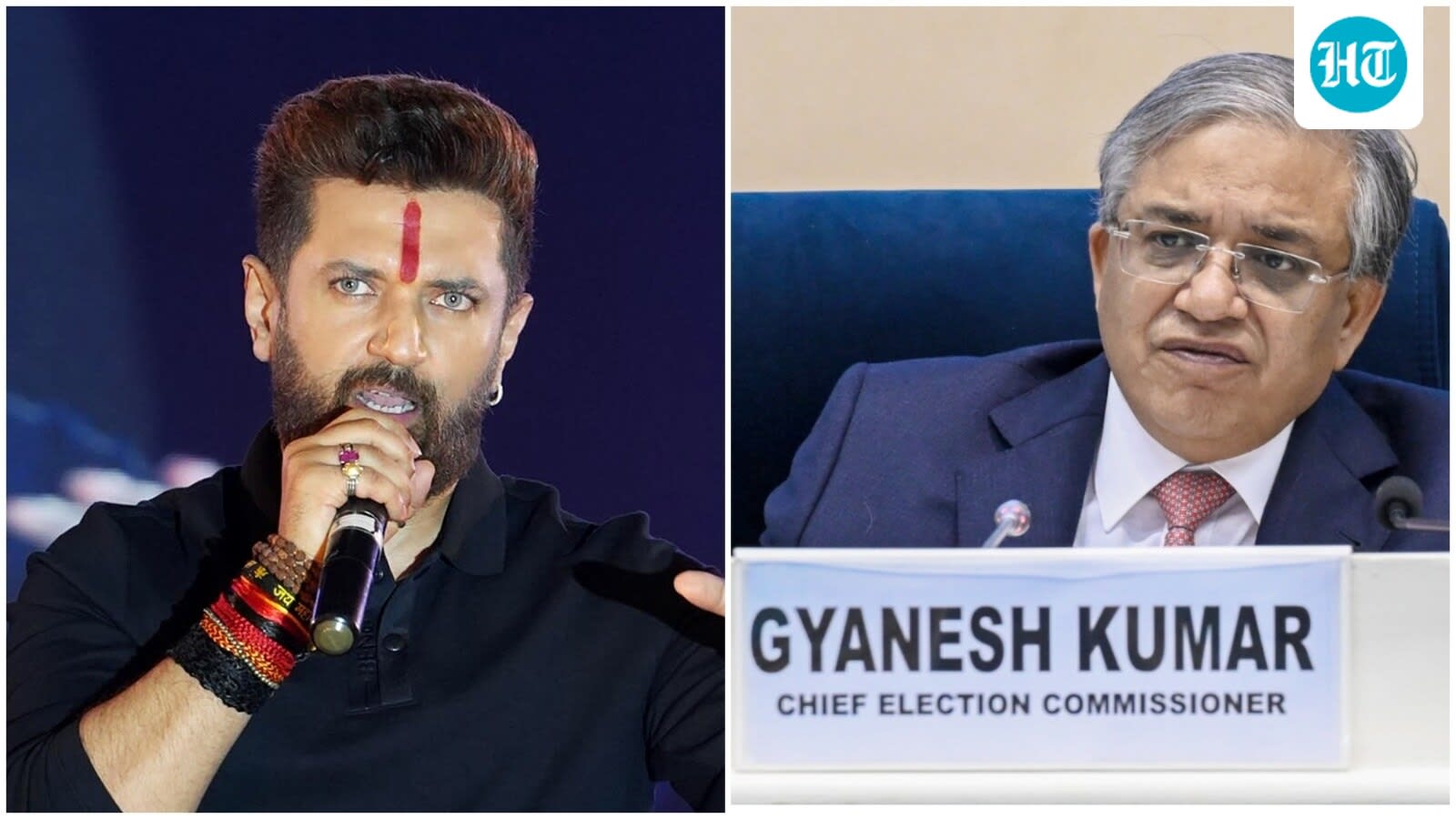
Union Minister Chirag Paswan has urged the Election Commission to address public doubts regarding its neutrality amid opposition demands for CEC Gyanesh Kumar's resignation. The poll body defended recent event rescheduling as standard logistical adjustments, while Paswan emphasized the necessity of maintaining voter trust.
The Integrity of India's Electoral Process: An Analysis of Recent Tensions
The Call for Institutional Transparency
Union Minister and Lok Janshakti Party (Ram Vilas) chief Chirag Paswan has publicly urged the Election Commission of India (ECI) to address the growing chorus of criticism regarding its functional independence. In response to demands from opposition leaders, most notably Rahul Gandhi, for the resignation of Chief Election Commissioner (CEC) Gyanesh Kumar, Paswan emphasized that the onus lies with the ECI to clear the air. By stating that the poll panel must ensure doubts do not "take root" among voters, Paswan highlights the critical role of institutional perception in maintaining the health of a democracy.
Navigating Political Rhetoric vs. Institutional Duty
Paswan’s commentary draws a distinct line between political posturing and the functional necessity of the ECI. While he dismissed the opposition’s demands as standard political maneuvering, he argued that the ECI’s silence could be interpreted as a failure of its constitutional duty. This nuanced stance reflects the delicate balance the NDA government must strike: defending the ECI’s autonomy while acknowledging that the commission’s public image is intrinsically linked to the government's own legitimacy in the eyes of the electorate.
Logistical Adjustments or Systemic Instability?
The recent row was further complicated by the postponement of a scheduled event involving CEC Gyanesh Kumar in Uttar Pradesh. The Election Commission attributed this change to "scheduling factors," citing standard logistical and administrative necessities. However, in an atmosphere already charged with allegations of internal friction among the three Election Commissioners, even routine bureaucratic adjustments are increasingly viewed through a lens of suspicion by political observers and the media.
The Burden of Public Trust
The core of this debate centers on the concept of 'trust capital.' The ECI has historically been viewed as the gold standard for independent electoral management in the developing world. When doubts are raised regarding the functioning of the commission, the potential ripple effects threaten to undermine the entire democratic process. Paswan’s assertion that the ECI must "firmly present its side" suggests an awareness that silence from constitutional bodies during times of crisis can be as damaging as the allegations themselves.
Looking Ahead: The Future of ECI Oversight
The ongoing discourse surrounding the ECI suggests a future where the commission will face unprecedented scrutiny. As digital transparency becomes a standard expectation, the ECI will likely need to adopt more robust communication strategies to preemptively address logistical shifts and internal procedural questions. If the commission fails to maintain a clear, proactive narrative, it risks allowing political narratives to define its public standing, which may necessitate further reforms in how the commission interacts with both the ruling government and the opposition.
Concluding Summary
In conclusion, the current friction between the opposition’s demands and the ECI’s logistical explanations highlights a critical juncture for Indian democratic institutions. Chirag Paswan’s intervention serves as a reminder that the ECI’s ultimate mandate is not just to conduct elections, but to maintain the unwavering confidence of the Indian voter. Whether the ECI chooses to adopt a more communicative posture remains to be seen, but the pressure to ensure transparency will undoubtedly continue to mount.
Multiple Citing Sources
Verification Required?