SIR row: Plea in SC seeks prosecution of CEC Gyanesh Kumar, SIT inquiry
Source Entity
VIVEK DUBEY
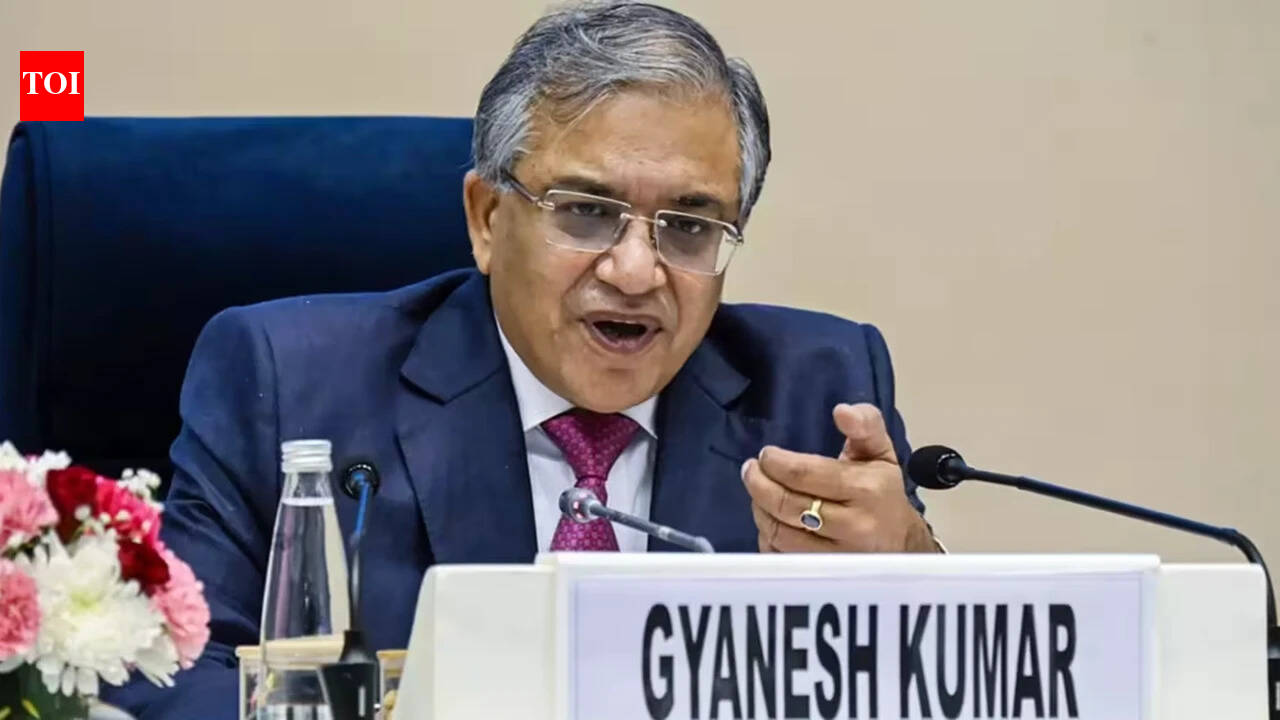
The Election Commission faces scrutiny over new electoral roll requirements, including mandatory parent details and declaration forms. Despite criticism regarding transparency, the poll body reports the addition of over 2.37 crore young voters since the Special Intensive Revision.
The Controversy Surrounding Electoral Roll Revisions
The Indian electoral landscape is currently witnessing a significant debate following the Election Commission's (EC) decision to introduce new, stringent requirements for voter registration and maintenance. The central point of contention involves the mandate for new applicants filling Form 6 to provide Special Intensive Revision (SIR) details of their parents. This requirement has sparked a broader conversation regarding the accessibility of the democratic process and the transparency of the Election Commission’s administrative procedures.
Concerns Over Transparency and Unilateral Action
Critics of the current process have raised alarms regarding the potential for the deletion of voters and a perceived lack of transparency. The primary concern among stakeholders is that the new declaration requirements—which now extend to both new registrants and existing voters—may create unnecessary bureaucratic hurdles. There are fears that these unilateral decisions could lead to the disenfranchisement of eligible citizens if they are unable to navigate the complex documentation requirements or provide the specific parental history now demanded by the poll panel.
The Scope of the SIR Exercise
To contextualize these administrative changes, it is essential to look at the scale of the Special Intensive Revision (SIR). Originating in Bihar last June, the SIR exercise was intended to streamline the electoral rolls. According to official data from the Election Commission, this initiative has resulted in the inclusion of 2.37 crore new electors within the 18-28 age bracket. The EC maintains that these figures demonstrate the effectiveness of their outreach, asserting that electoral rolls are living documents that undergo continuous updates even after their final publication.
Legal and Administrative Challenges
The backlash has culminated in a plea filed in the Supreme Court of India. The petition seeks the prosecution of Election Commissioner Gyanesh Kumar and requests a Special Investigation Team (SIT) inquiry into the matter. The legal challenge underscores the gravity of the allegations, as petitioners argue that the mandatory declaration process complicates the registration experience to an extent that hinders democratic participation. The Supreme Court's involvement signals that the technicalities of voter roll management are now becoming a constitutional matter.
Balancing Security and Inclusion
From a policy perspective, the Election Commission faces the perpetual challenge of balancing the integrity of the electoral roll—ensuring that only eligible citizens are registered—with the constitutional mandate of universal adult suffrage. While the EC emphasizes that these declarations are necessary to verify voter identity and ensure the accuracy of the rolls, the public perception remains divided. The tension between digitizing records for security and maintaining an open, accessible system for the electorate will likely remain a focal point of political discourse in the coming months.
Future Implications for Voter Participation
Looking ahead, the long-term impact of these requirements remains to be seen. If the EC continues to enforce these declarations, the focus will shift toward whether the administrative burden creates a measurable decline in voter turnout among the youth or marginalized communities. As the legal proceedings move forward, the outcome will likely set a significant precedent for how electoral bodies across the globe manage the intersection of data-driven verification and the fundamental right to vote.
Multiple Citing Sources