Kerala LoP Pinarayi Vijayan seeks removal of CEC Gyanesh Kumar, halt to SIR
Source Entity
India Latest News: Top National Headlines Today & Breaking News | The Hindu
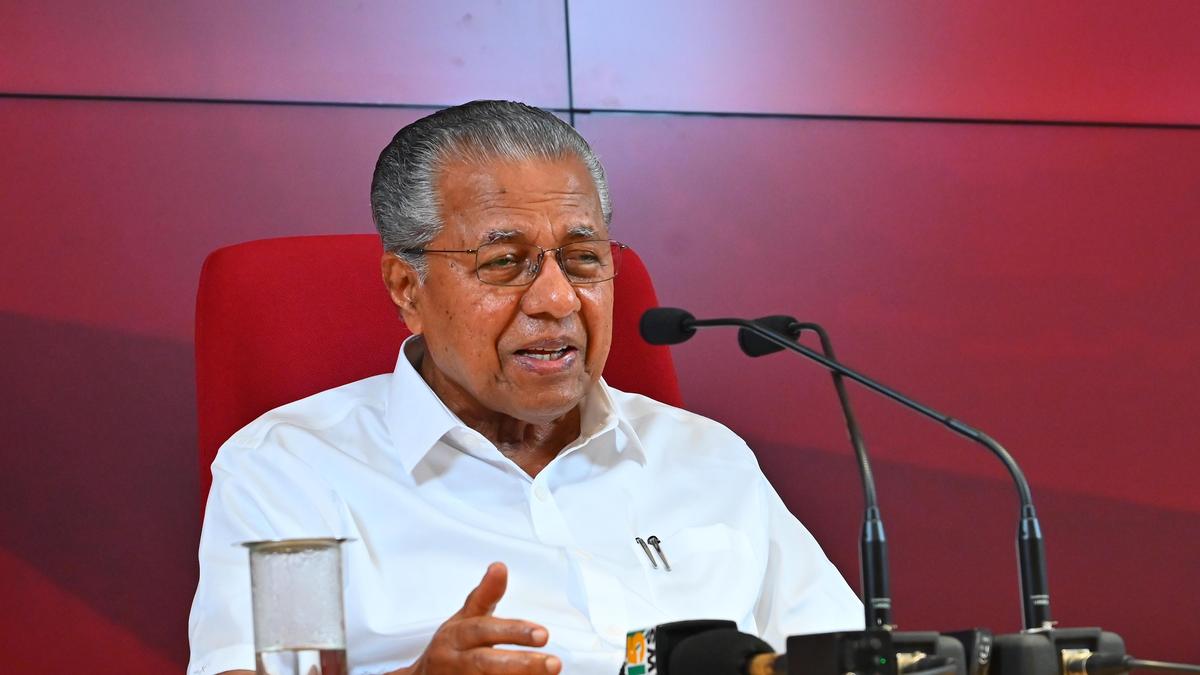
Kerala Leader of Opposition Pinarayi Vijayan has demanded the removal of CEC Gyanesh Kumar following reports of internal dissent regarding electoral roll management. He is calling for an immediate halt to the Special Intensive Revision (SIR) process to protect voter rights.
Crisis of Confidence: The ECI Under Scrutiny
The recent demand by Kerala Leader of Opposition Pinarayi Vijayan for the removal of Chief Election Commissioner (CEC) Gyanesh Kumar marks a significant escalation in the ongoing discourse regarding the integrity of India's electoral processes. By calling for an immediate halt to the Special Intensive Revision (SIR), Vijayan has brought national attention to the internal administrative friction within the Election Commission of India (ECI), specifically concerning the mechanisms of voter registration and the deletion of names from electoral rolls.
The Core Allegations: Internal Dissent
At the heart of this controversy are reported objections raised by two Election Commissioners regarding the ECI's decision-making processes. Pinarayi Vijayan’s intervention, voiced via the social media platform 'X', suggests that these internal disagreements are not merely procedural but touch upon the fundamental fairness of election management. The specific mention of ‘revelations’ implies that the internal checks and balances intended to safeguard the democratic process may be under stress, leading to a breakdown in institutional consensus.
Implications for Electoral Integrity
The Special Intensive Revision (SIR) is a critical administrative exercise designed to clean and update electoral rolls, ensuring that every eligible citizen is registered and deceased or ineligible voters are removed. When political leaders of Vijayan's stature challenge the execution of SIR, it highlights deep-seated fears regarding the potential for disenfranchisement. The concern is that if the process is perceived as biased or opaque, the legitimacy of future electoral outcomes could be fundamentally undermined.
Institutional Governance and Accountability
This situation raises grave questions about the governance structure of the ECI. As an independent constitutional body, the ECI is tasked with maintaining the sanctity of the electoral roll. The demand for the removal of the CEC signifies a lack of trust in the current leadership to conduct these revisions impartially. Such public confrontations between political entities and the ECI serve as a reminder of the delicate balance required to maintain public faith in the world’s largest democratic exercise.
Historical Context and Future Trends
Historically, the ECI has faced scrutiny during various stages of electoral cycles, but public calls for the removal of a sitting CEC are rare and reflect a heightened state of political polarization. If the ECI does not address these internal objections transparently, the trend of political litigation and public protest against electoral administration is likely to increase. Moving forward, the commission will face intense pressure to ensure that the SIR process is not only technically accurate but also perceived as fair by all political stakeholders to prevent further erosion of institutional trust.
Conclusion
The situation remains volatile as the ECI faces a dual challenge: completing the technical requirements of the electoral roll revision while managing a growing public relations and political crisis. Whether this leads to a formal investigation into the internal decision-making of the ECI or a change in the administrative approach to the SIR, the outcome will have profound implications for the health of India's electoral democracy.
Verification Required?