Never accepted Nalsar invitation, so no question of going: CJI
Source Entity
DHANANJAY MAHAPATRA
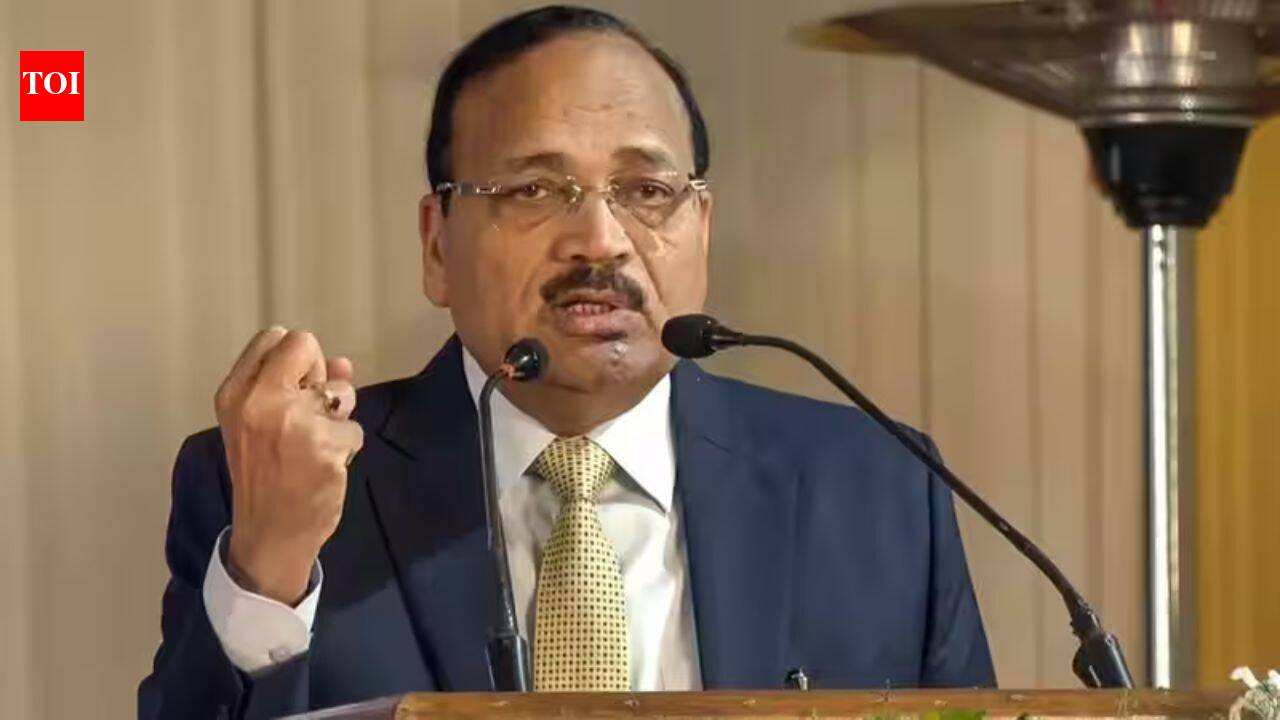
Chief Justice of India Surya Kant has clarified that he never accepted an invitation to attend the NALSAR University convocation. This statement follows a period of intense controversy involving student protests and subsequent interventions by the Bar Council of India.
The Controversy Surrounding the NALSAR Convocation Invitation
Clarification from the Chief Justice
Chief Justice of India (CJI) Surya Kant has definitively put an end to speculation regarding his presence at the upcoming convocation ceremony of the National Academy of Legal Studies and Research (NALSAR) in Hyderabad. In a direct statement to the media, the CJI emphasized that he never consented to the invitation in the first place, effectively rendering the question of his attendance moot. This clarification serves to de-escalate a situation that had become increasingly polarized within the academic and legal communities.
Anatomy of the Campus Protest
The tension originated when a section of the student body at NALSAR expressed vocal opposition to the prospect of the CJI serving as the chief guest at their convocation. Such protests reflect a growing trend of student activism within premier law universities, where the student body increasingly seeks to hold high-ranking officials and judicial leaders accountable for their public roles and institutional stances. This specific dissent quickly moved beyond the university gates, drawing national attention and scrutiny.
The Bar Council of India's Intervention
The situation took a dramatic turn when the Bar Council of India (BCI) intervened in the matter. BCI chairperson Manan Kumar Mishra initially issued a stern directive suggesting that state bar councils should refrain from enrolling the 2026 batch of NALSAR graduates, a move that was widely perceived as an attempt to penalize the institution for the students' protests. The subsequent retraction of this order, followed by a brief demand for an inquiry, showcased the volatility of the situation and the perceived overreach of regulatory bodies in student-led academic disputes.
Judicial Rebuff and Institutional Integrity
The intervention by the BCI did not go unnoticed by the judiciary. The CJI himself issued a rebuke regarding the BCI's handling of the situation, signaling that the judicial office remains independent of such regulatory skirmishes. This institutional friction highlights the complex relationship between the legal education system, the regulatory power of the Bar Council, and the independence of the judiciary, which must remain insulated from the political and administrative pressures exerted during campus unrest.
Implications for Legal Academia
As the dust settles at NALSAR, the focus has shifted toward the upcoming convocation ceremony. The event serves as a case study for how elite educational institutions balance the traditions of guest speakers with the evolving expectations of a politically conscious student body. The incident underscores the necessity for clear communication protocols between universities and high-profile invitees to avoid public misunderstandings that can be exploited by third-party stakeholders.
Future Trends in Student-Judiciary Relations
Moving forward, this episode is likely to influence how law universities manage invitations for prestigious events. There is a clear need for universities to foster internal dialogue to address student grievances before they escalate into national controversies. Furthermore, the episode highlights the risks of regulatory bodies like the BCI interfering in academic autonomy, suggesting a future where universities may push for greater independence in managing their internal affairs without the specter of professional repercussions for their students.