‘Hiding behind police’: Dipke targets PM over custody extension of Saurav Das, Ashutosh Ranka
Source Entity
Alok Singh
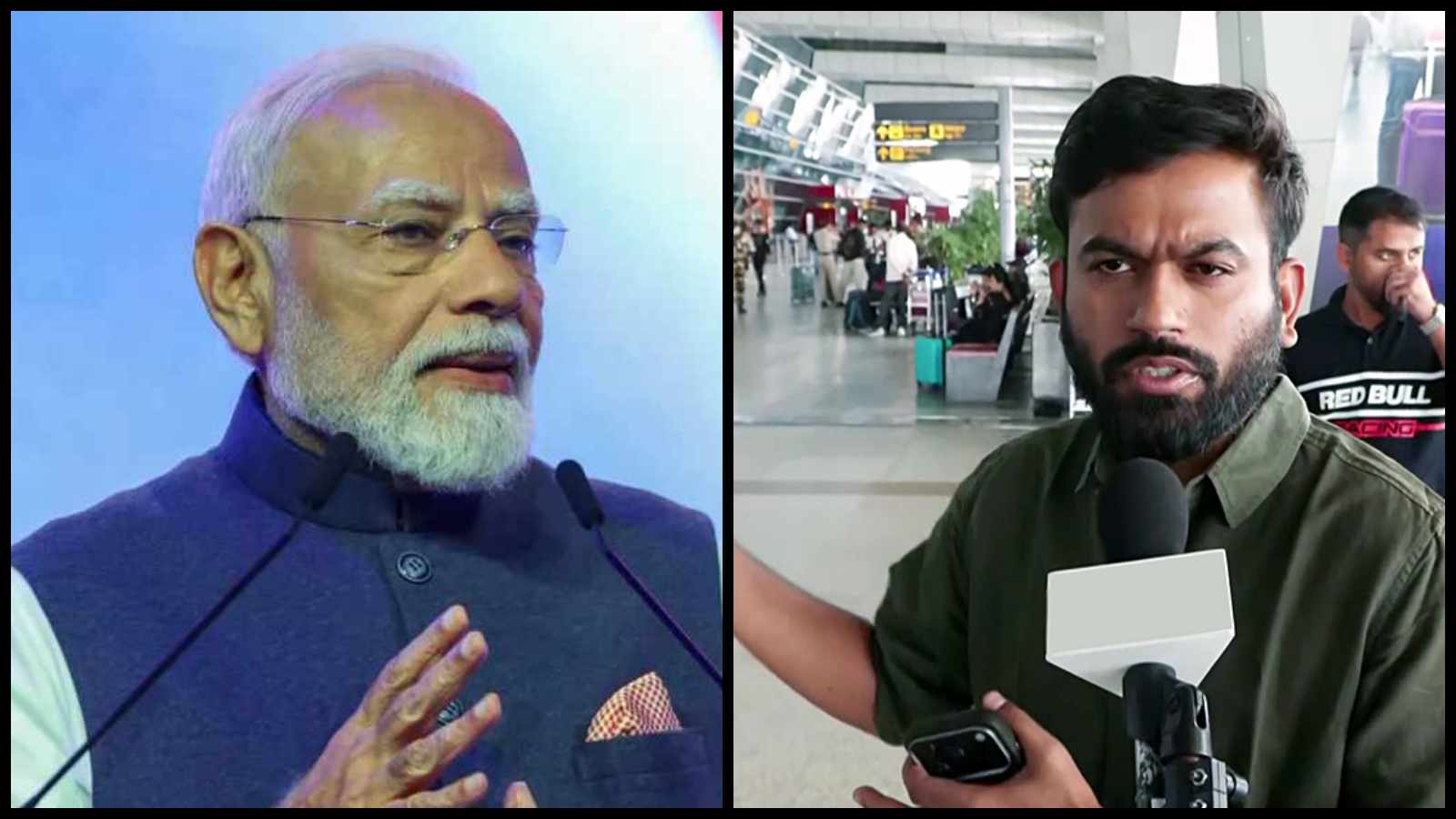
The extension of judicial custody for CJP leaders Saurav Das and Ashutosh Ranka has sparked sharp criticism from party founder Abhijeet Dipke and Mamata Banerjee. Both figures have accused the government of using police intimidation and state-sponsored tactics to suppress youth political activism.
The Escalating Custody Dispute: CJP Leaders and State Oversight
The political climate has intensified following the decision by a Special Executive Magistrate (SEM) court to extend the judicial custody of Cockroach Janata Party (CJP) co-convenors, Saurav Das and Ashutosh Ranka, by two additional days. The ruling, delivered by ACP-rank officer Ritu Raj, explicitly cited the detainees' lack of "confidence" and an alleged habitual disregard for legal protocols regarding public protests as the primary justifications for the continued detention.
Accusations of Police Intimidation
Abhijeet Dipke, the founder of the CJP, has emerged as a vocal critic of the administration, directly challenging Prime Minister Narendra Modi. Dipke’s rhetoric centers on the claim that the executive branch is utilizing the police machinery to stifle youth-led political movements. By framing the detention as an act of cowardice, Dipke suggests that the government is shielding itself behind law enforcement rather than engaging with the democratic grievances voiced by his party’s leaders.
Political Backlash and Allegations of Torture
Former West Bengal Chief Minister Mamata Banerjee has amplified the controversy by labeling the state's actions as "state-sponsored terrorism." In a public statement issued on October 20, 2026, Banerjee went further by alleging that Das and Ranka are being subjected to physical torture while in custody. Her intervention positions the incident not merely as a local legal dispute, but as a broader existential threat to democratic freedoms and civil liberties in the country.
The Legal and Democratic Implications
This situation raises significant questions regarding the use of Special Executive Magistrate courts in handling political dissent. When an officer of the law cites a lack of "confidence" in a subject as a basis for extending detention, it invites scrutiny regarding the threshold for judicial oversight versus administrative overreach. The perception that the state is targeting specific youth leaders to dismantle opposition groups creates a volatile environment for political discourse.
Future Trends and Political Polarization
Moving forward, this case is likely to serve as a rallying point for opposition parties seeking to challenge the current government's handling of civil society. The narrative of "state-sponsored atrocities" versus the "maintenance of law and order" will likely dominate the political discourse in the coming weeks. As Dipke continues to invoke the inspiration of these leaders for a "new generation," the potential for increased public mobilization and further clashes between the CJP and state authorities remains high.
Conclusion
The extension of custody for Das and Ranka has transcended its legal origins to become a major flashpoint in national politics. With accusations of torture and intimidation being traded between political heavyweights and state authorities, the resolution of this custody battle will be a critical indicator of the current state of democratic tolerance and the role of law enforcement in managing political dissent.