'Obstructed cops, instigation': Delhi Police on why CJP leaders sent to jail
Source Entity
ABHAY
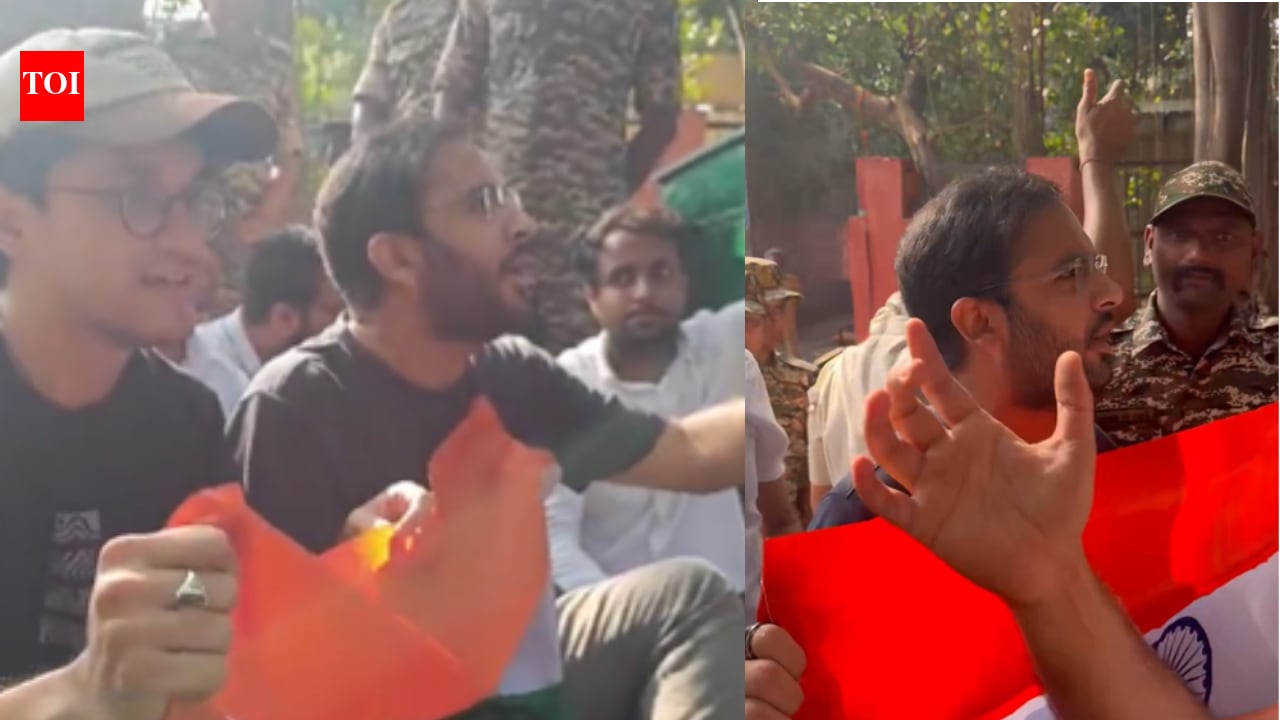
Delhi Police have filed an FIR against Cockroach Janta Party (CJP) leaders for trespassing into the denotified Jantar Mantar protest site. The leaders were detained and face charges related to breaching a peace bond while demanding the resignation of CEC Gyanesh Kumar.
Unauthorized Entry at Jantar Mantar Sparks Legal Action
Recent events in the capital have culminated in the Delhi Police filing a First Information Report (FIR) against leadership figures of the Cockroach Janta Party (CJP), including Saurav Das, Ashutosh Ranka, and national organization in-charge Ajinkya Shinde. The legal action stems from an unauthorized entry into the Jantar Mantar area, a site that had recently been denotified as a designated protest venue. The confrontation escalated significantly when these leaders bypassed security protocols by climbing locked gates, an act that police have classified as trespassing.
Breach of Peace Bonds and Regulatory Violations
The situation is further complicated by allegations that these leaders violated a pre-existing peace bond. Peace bonds are legal instruments often utilized by law enforcement to ensure that individuals or groups maintain public order; by entering a restricted, barricaded area, the CJP members are accused of failing to uphold their commitments to the authorities. This breach marks a shift from civil disobedience to potential criminal liability, raising questions about the legal status of protest movements in restricted spaces.
Political Motivations and Demands
The primary driver behind the CJP’s actions was a public demand for the resignation of Chief Election Commissioner (CEC) Gyanesh Kumar. By targeting a location as symbolic as Jantar Mantar, the party aimed to amplify their message regarding the electoral body’s leadership. The act of raising slogans while breaching the security perimeter indicates a calculated attempt to force a confrontation with authorities to gain visibility for their political grievances.
Custodial Status and Legal Proceedings
Following the detention of Das, Ranka, and Shinde, a discrepancy emerged regarding their legal status. While CJP legal affairs head Ratna Singh claimed the individuals had been "arrested," police officials clarified that they were held under preventive arrest. The subsequent requirement to produce these leaders before a special executive magistrate highlights the formalization of the state's response to the protest, moving the matter from the streets into the judicial system.
Broader Implications for Protest Culture in Delhi
The events at Jantar Mantar underscore the growing friction between political agitators and the administrative regulation of public spaces in Delhi. With the site being denotified, the police have adopted a zero-tolerance approach to unauthorized gatherings, leading to heightened security measures, including at the Jaffarpur Kalan Police Station. As political groups continue to challenge these restrictions, the tension between the right to dissent and the maintenance of public order remains a volatile issue in the national capital, likely leading to more stringent security enforcement in the future.
Multiple Citing Sources