Father-in-law obliged to support widowed daughter-in-law, rules Delhi High Court
Source Entity
Ashish Shaji
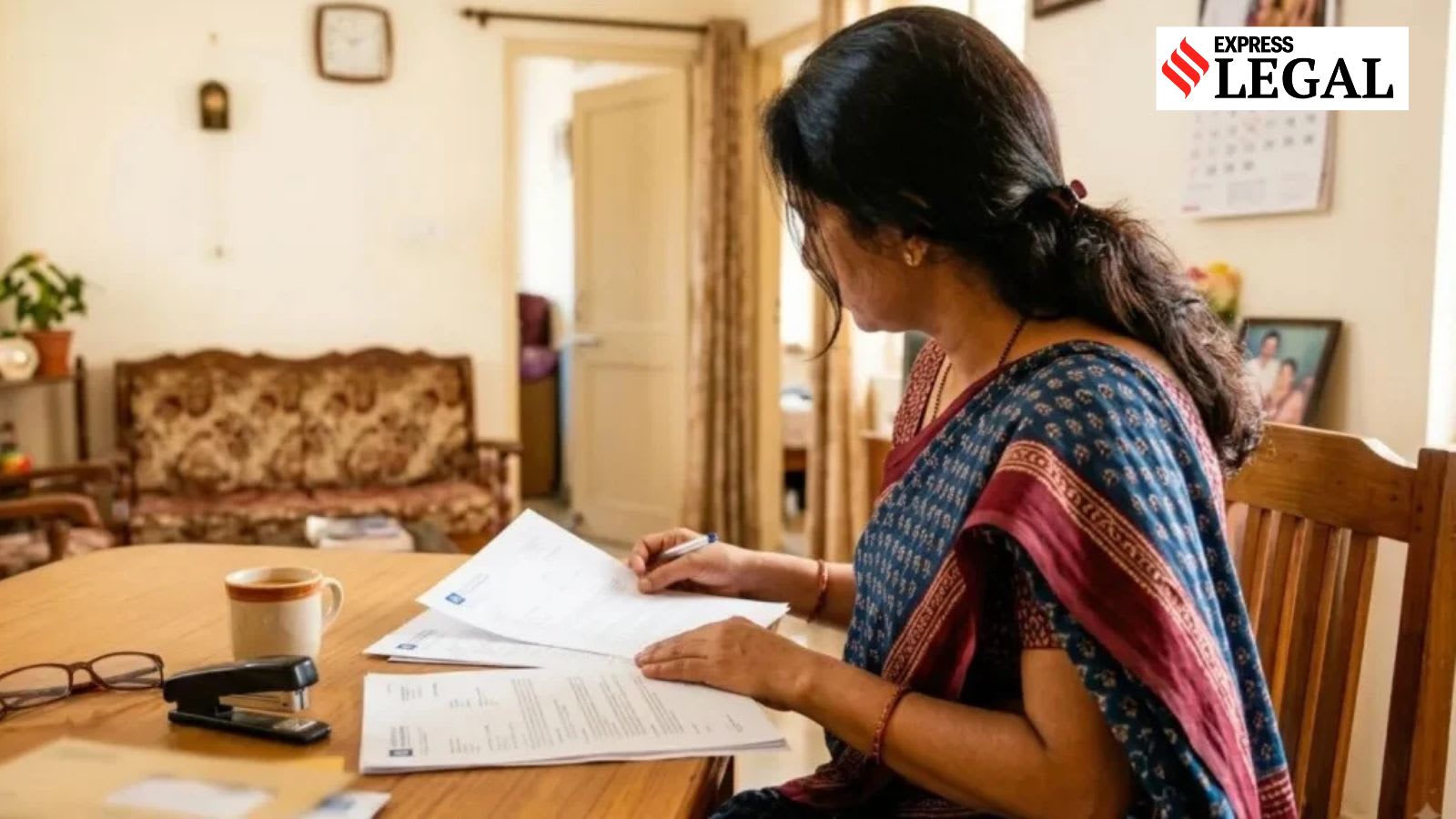
High Courts in India have recently issued landmark rulings protecting the rights of women in family disputes. The Delhi High Court mandated support for widowed daughters-in-law, while the Allahabad High Court reinforced natural justice in adultery allegations.
Judicial Protection and Family Rights in Indian Courts
Recent judicial pronouncements from the Delhi and Allahabad High Courts underscore a significant evolution in how Indian law balances property rights with the socio-economic protection of vulnerable family members. These rulings reflect a judiciary increasingly focused on the intersection of ancient moral obligations and modern constitutional principles, ensuring that family disputes do not result in the marginalization of women.
The Delhi High Court on Widowed Support
In a landmark decision, Justice Neena Bansal Krishna of the Delhi High Court addressed the precarious position of widowed daughters-in-law. The court ruled that fathers-in-law bear a 'pious obligation' to maintain a widowed daughter-in-law if she lacks independent means or assets from her late husband. While the court acknowledged the father-in-law’s right to reclaim his property, it imposed a critical condition: he must first secure suitable alternative accommodation for the widow. This ruling effectively bridges the gap between property ownership rights and the duty of support, preventing families from being rendered homeless during bereavement.
Due Process in Adultery Allegations
Simultaneously, the Allahabad High Court has reinforced the fundamental principle of natural justice. In a case involving maintenance proceedings, Justice Lakshmi Kant Shukla ruled that a third party accused of adultery must be granted an opportunity to be heard before any adverse findings are recorded. By referencing both modern legal standards and the ancient Katyayana Smriti, the court emphasized that allegations of adultery carry severe social and reputational consequences. This ensures that maintenance claims—often vital for the survival of wives and children—are not derailed by unverified character attacks without due process.
The Intersection of Tradition and Law
Both rulings demonstrate a sophisticated application of legal philosophy. The Delhi High Court’s invocation of 'pious obligation' mirrors traditional Indian values of family support, yet codifies them into a modern enforceable mandate. Similarly, the Allahabad High Court’s reliance on ancient texts alongside current procedural law highlights a judicial trend that values historical context while strictly adhering to modern standards of fairness and the right to be heard.
Broader Social Implications
These judgments serve as a safeguard against domestic instability. By requiring property owners to provide alternative housing, the Delhi High Court prevents the immediate displacement of widows, which is a significant social issue in India. Likewise, by shielding individuals from unsubstantiated claims of adultery in maintenance cases, the Allahabad High Court protects the dignity of the parties involved, ensuring that financial support for children and spouses remains the primary focus of such litigation.
Future Trends in Family Law
These precedents suggest a future where Indian courts will continue to prioritize the 'right to life' and the 'dignity of the individual' over rigid interpretations of property or procedural technicalities. As these rulings set a baseline for lower courts, we can expect a more standardized approach to maintenance disputes, where the protection of the vulnerable remains the central tenet of family law adjudication.