4 FIRs over INDIA bloc march; takedown request for 500 pieces of content
Source Entity
ABHAY
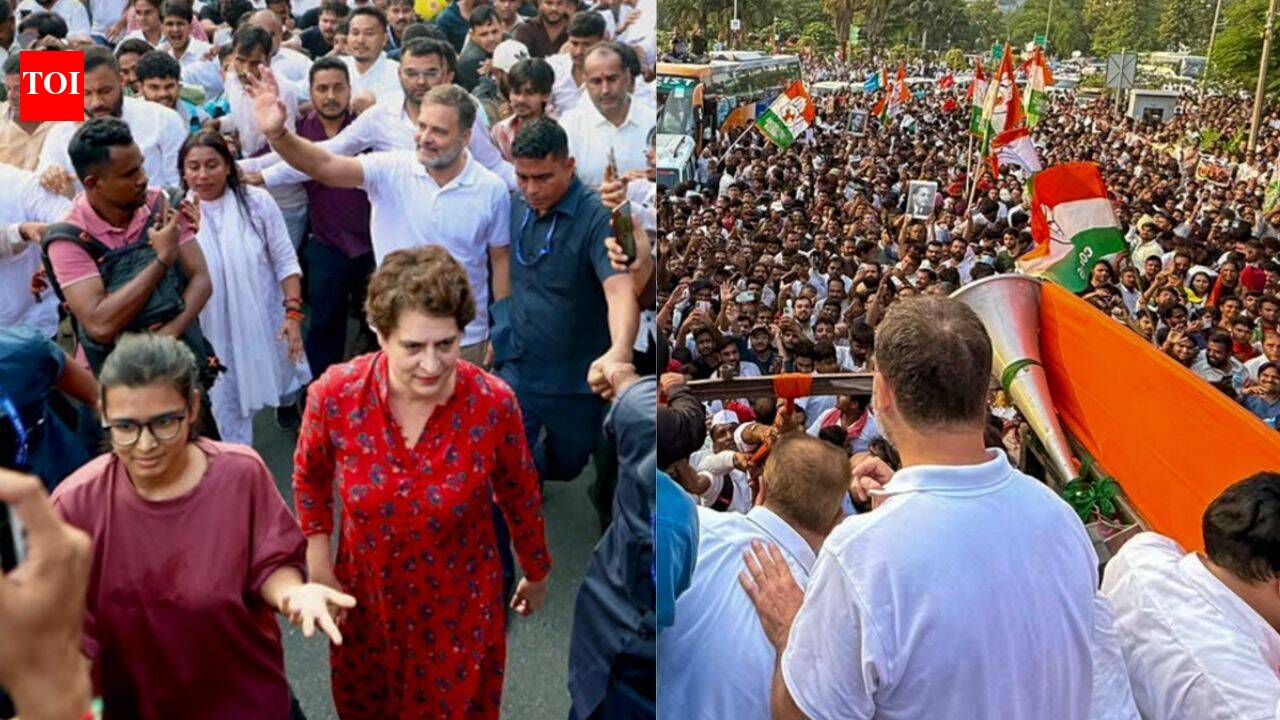
Delhi Police have filed four FIRs following an INDIA bloc protest, citing barricade violations and road defacement. Concurrently, separate FIRs address a suspected Pakistan-linked disinformation campaign exploiting the event.
Analysis of Delhi Police Action Following INDIA Bloc Protests
Overview of the Recent Incident
The recent march organized by the INDIA bloc, led by the Leader of the Opposition in the Lok Sabha, Rahul Gandhi, has resulted in significant legal scrutiny from Delhi Police. The protest, which saw top functionaries and supporters gather at Barakhamba Road before marching toward the Supreme Court, has led to the registration of four First Information Reports (FIRs). The primary allegations cited by law enforcement involve the violation of prohibitory orders, specifically focusing on the breaking of barricades and the defacement of public roads during the assembly.
Legal Implications of Protests in the Capital
The registration of FIRs at Tilak Marg, Mandir Marg, and Barakhamba Road police stations underscores the rigid enforcement protocols governing public demonstrations in New Delhi. When political groups organize marches in sensitive zones, they are typically subject to strict adherence to designated routes and crowd control measures. The alleged breach of barricades suggests a failure to adhere to these pre-negotiated parameters, which law enforcement agencies view as a direct challenge to public order and the preservation of urban infrastructure.
The Disinformation Dimension
Beyond the physical aspects of the protest, the Delhi Police have initiated a parallel investigation into a suspected digital disinformation campaign. Four additional FIRs have been filed concerning content that authorities believe is being orchestrated by Pakistan-based social media handles. This aspect of the investigation highlights a growing concern among Indian authorities regarding the weaponization of domestic political unrest by external actors. By monitoring over 100 suspicious handles, investigators aim to curb the spread of anti-India narratives that allegedly seek to exploit the optics of domestic protests to sow discord.
Broader Implications for Political Discourse
This incident reflects the precarious balance between the democratic right to dissent and the state's mandate to maintain security. The involvement of the Leader of the Opposition places this event at the center of a national political debate, where the INDIA bloc’s methods of mobilization are being questioned by the administration. The intersection of physical protest and digital information warfare creates a complex environment where political optics are increasingly vulnerable to manipulation by non-state actors operating outside the country's jurisdiction.
Future Trends in Digital Surveillance
As the influence of social media in shaping political movements grows, so does the intensity of state surveillance regarding online content. The request to take down over 500 pieces of content indicates a proactive, albeit controversial, strategy to manage the digital narrative. Moving forward, it is likely that we will see increased cooperation between Indian law enforcement and major social media platforms to address cross-border digital interference, setting a precedent for how political protests are monitored in the age of algorithmic amplification.
Conclusion
The dual-track approach taken by the Delhi Police—addressing physical law-and-order breaches while simultaneously countering suspected foreign-led digital interference—highlights the multifaceted challenges facing modern Indian governance. As the INDIA bloc continues its political activities, the tension between maintaining the right to protest and safeguarding national security from external disinformation will likely remain a defining feature of the political landscape.