'Will take legal action': CJP firm on punishing cops who used excessive force
Source Entity
TOI NEWS DESK
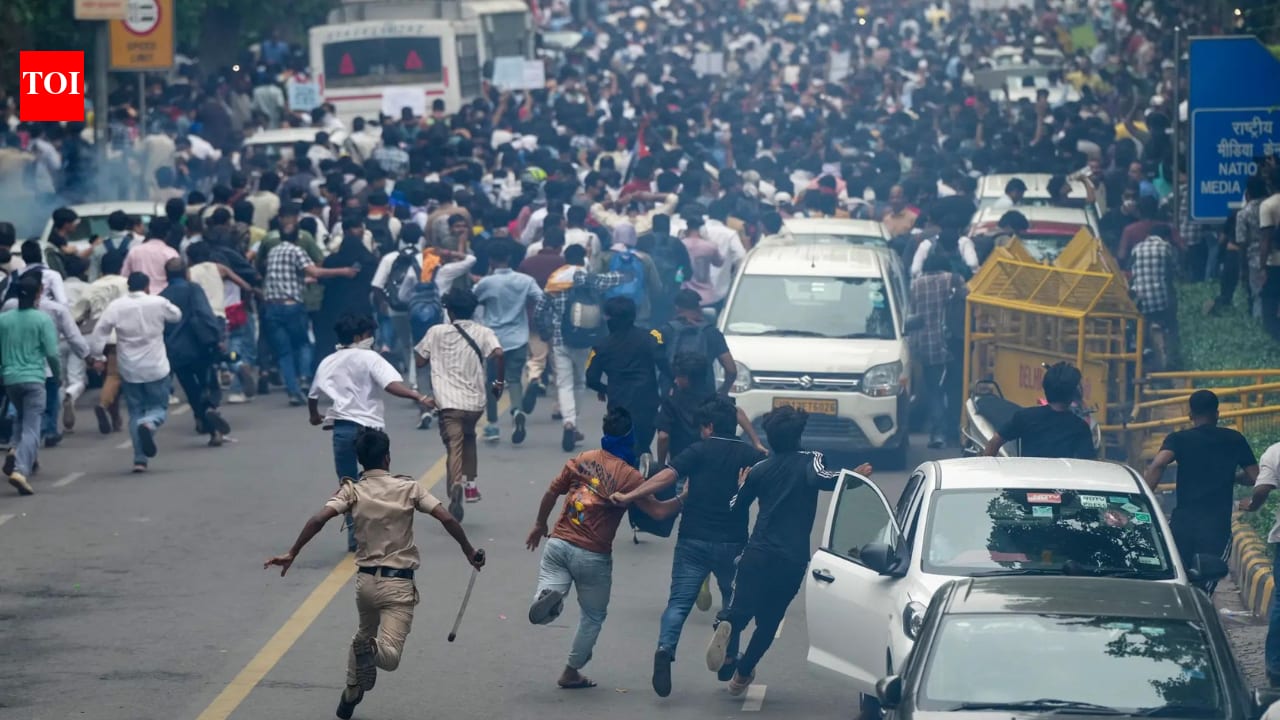
The Cockroach Janata Party is pursuing legal action against Delhi Police officers accused of using excessive force during a recent protest. The demonstration, centered on the NEET paper leak, concluded after the resignation of Education Minister Dharmendra Pradhan.
Accountability in the Wake of the NEET Crisis
The political landscape in New Delhi has shifted following the high-stakes protest at Jantar Mantar, where members of the Cockroach Janata Party (CJP) rallied against the systemic failures surrounding the NEET paper leak. The demonstration reached a critical turning point when the Education Minister, Dharmendra Pradhan, resigned, effectively meeting the core demands of the protesters. This resignation marks a significant victory for the student movement, signaling that the pressure applied by civil society and political opposition has successfully forced a change in the central government’s leadership.
The Confrontation at Jantar Mantar
While the political demands were met, the aftermath of the July 20 march remains a point of intense contention. The CJP has now shifted its focus toward institutional accountability regarding the conduct of law enforcement. During the protest, reports of excessive force used by the Delhi Police against students sparked widespread outrage. CJP spokesperson Saurav Das, following a meeting with Delhi Police Commissioner Anurag Kumar, explicitly stated that the party intends to pursue legal avenues against every officer involved in the alleged mistreatment of demonstrators.
The Legal and Ethical Implications
The push for legal action against police officials underscores a broader debate regarding the right to peaceful assembly and the limits of state power in managing public dissent. By targeting individual officers involved in the crackdown, the CJP is attempting to establish a precedent where those who enforce the law are held personally liable for actions that cross the line into brutality. This move seeks to ensure that the process of democratic protest remains protected from intimidation tactics.
Public Sentiment and Digital Engagement
The intensity of this issue is reflected in the high level of public engagement, with thousands of users participating in polls to weigh in on the necessity of this legal action. The public discourse suggests a polarized view, yet the sustained interest—with over 5,000 votes recorded—highlights that the NEET paper leak and the subsequent police response have struck a nerve with the electorate. The digital footprint of this event demonstrates how social media and online polling are becoming integral to how political parties measure public support for their confrontational strategies against state authorities.
Future Trends in Political Accountability
Looking ahead, this development signals a shift in how political parties leverage administrative grievances to maintain momentum after a protest ends. By transitioning from the streets to the courtroom, the CJP is ensuring that the narrative of the NEET leak remains in the public eye. The outcome of these potential legal proceedings will likely influence future interactions between the Delhi Police and political organizations, possibly leading to stricter guidelines for crowd control and greater transparency in handling student-led demonstrations.