4 states join Centre in SC bid to quash FIRs against CJP protesters
Source Entity
Latest News: Todays Latest News Headlines from India & World | Hindustan Times | Hindustan Times
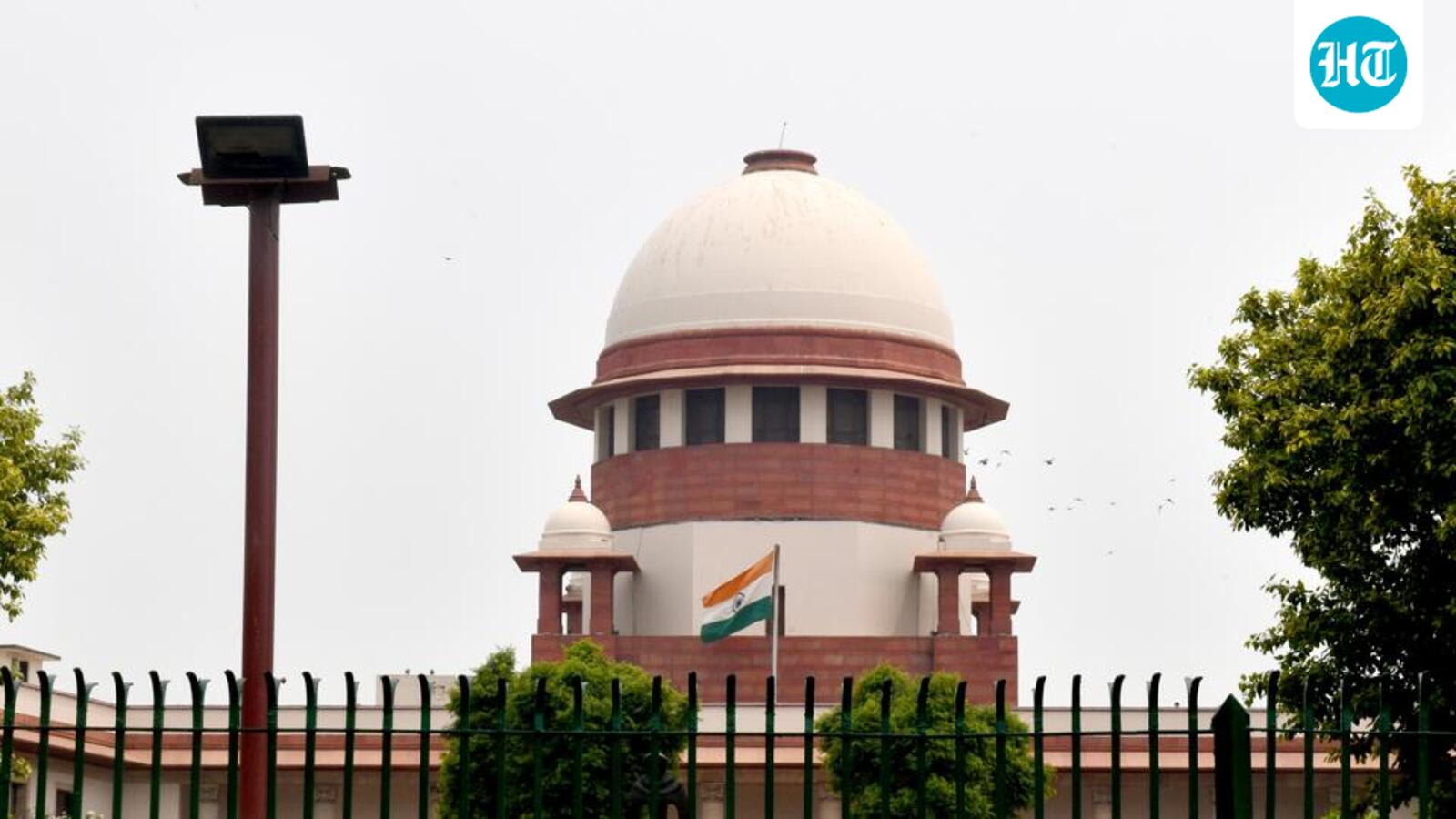
The Supreme Court declined to issue interim orders on a proposed September 5 march by the Cockroach Janata Party (CJP) amid security concerns for the upcoming BRICS summit. Following a legal push by the Centre and four states to quash protest-related FIRs, the CJP has officially called off the demonstration.
Legal Standoff and the BRICS Security Concerns
The recent legal developments surrounding the Cockroach Janata Party (CJP) reflect a delicate balance between the fundamental right to protest and the state's obligation to maintain public order. The Supreme Court of India recently addressed petitions seeking to postpone a protest march scheduled for September 5, which critics argued was strategically timed to create lawlessness just days before the high-profile BRICS summit in New Delhi. The petitioners expressed significant concern that such unrest could deter global leaders from attending the summit, thereby impacting India's international diplomatic standing.
The Supreme Court's Stance on Public Order
In its response to the petitions, the Chief Justice of India (CJI)-led bench maintained a position of legal neutrality, refusing to pass immediate interim orders. The Court emphasized that the responsibility for maintaining order lies squarely with law enforcement agencies, provided they act within the bounds of the law. By declining to intervene directly in the scheduling of the march, the judiciary signaled that it expects both the organizers and the state authorities to adhere to established legal standards and constitutional protocols.
The Centre and State Coordination
A significant shift in the narrative occurred when the Centre moved the Supreme Court to quash First Information Reports (FIRs) related to previous CJP-led protests. This move was bolstered by four states—Maharashtra, Assam, West Bengal, and Bihar—which filed separate applications to drop criminal proceedings against protesters. Solicitor General Tushar Mehta presented these applications to the CJI, marking a coordinated effort by the government to de-escalate tensions associated with the group's past agitation.
De-escalation and Cancellation
The intersection of the Centre’s legal maneuver to quash FIRs and the ongoing pressure regarding the September 5 march led to a resolution. Following the government’s initiative to address the protesters' grievances through the legal system, the CJP decided to call off its planned march. This development highlights the effectiveness of using legal avenues to resolve political agitation, preventing potential confrontations between law enforcement and protesters in the capital.
Broader Implications for Civil Liberties
The episode serves as a case study in the management of public dissent in India. While the state is tasked with ensuring that international events like the BRICS summit proceed without disruption, the judiciary’s role remains to protect the rights of citizens to assemble. The eventual withdrawal of the march suggests that when the state engages in dialogue or legal pathways to address the underlying causes of protests—such as the quashing of FIRs—it can successfully mitigate the risk of civil disorder while upholding the rule of law.
Verification Required?