500+ detained, internet cut, clips from police buses: High drama in Delhi as Jantar Mantar sees protests again
Source Entity
Latest News: Todays Latest News Headlines from India & World | Hindustan Times | Hindustan Times
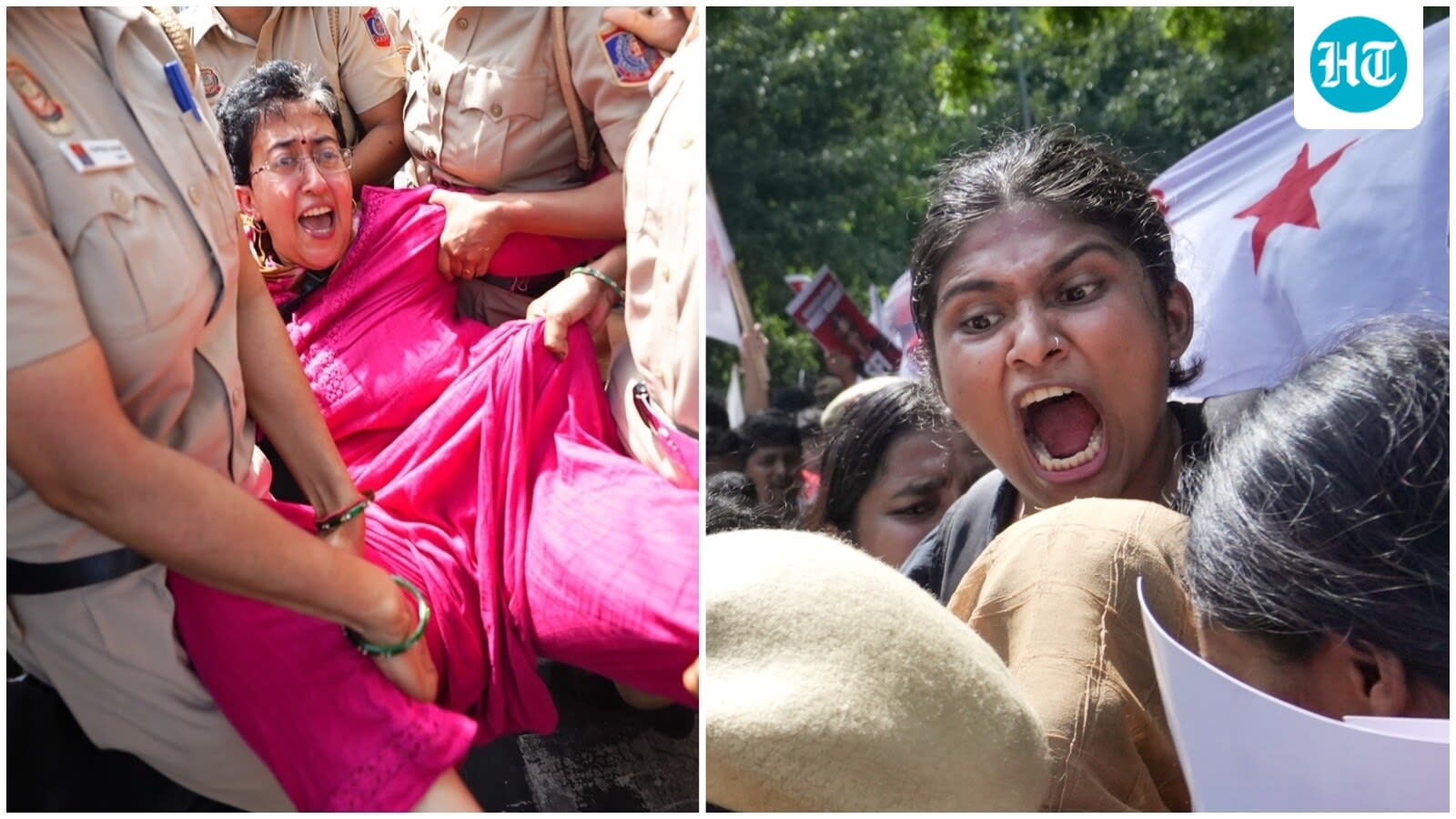
The Cockroach Janta Party (CJP) has launched a nationwide 'Jail Bharo Andolan' demanding the resignation of CEC Gyanesh Kumar. The protests, beginning October 2, stem from allegations of irregularities in electoral rolls and voter deletions.
The CJP's Nationwide Agitation: A Deep Dive into Electoral Concerns
The Trigger: Internal Rifts and Electoral Integrity
The Cockroach Janta Party (CJP), led by founder Abhijeet Dipke, has formally initiated a nationwide protest movement, labeled as a 'Jail Bharo Andolan.' This mobilization, which commenced on Gandhi Jayanti (October 2) at Mumbai’s Shivaji Park, is fundamentally rooted in an investigative report highlighting internal discord within the Election Commission of India. The core of the grievance pertains to the Special Intensive Revision (SIR) of voter rolls, which the CJP alleges has resulted in widespread and improper voter deletions, thereby compromising the integrity of the electoral process.
Core Demands and Institutional Criticism
Abhijeet Dipke, alongside fellow leaders like Saurav Das, has articulated three primary demands that serve as the platform for this movement. First, the immediate resignation of Chief Election Commissioner (CEC) Gyanesh Kumar, whom the group has labeled a 'traitor' and a 'puppet' of the ruling establishment. Second, the party demands the freezing of the 2025 electoral rolls to prevent further alleged irregularities. Finally, the CJP is pushing for a fundamental shift in the appointment process of the CEC, advocating for a transparent, independent mechanism that includes participation from civil society, rather than the current executive-led appointment model.
Escalation Strategy: From Mumbai to New Delhi
The movement is designed to gain momentum through a decentralized approach. Starting in Mumbai, the CJP has announced plans to expand its protests to major urban centers including Goa, Bengaluru, and Kolkata. This strategy of staging demonstrations across diverse geographical locations is intended to amplify the visibility of their cause, which ultimately aims to culminate in a significant sit-in at Jantar Mantar in New Delhi by the end of October. This trajectory suggests an intent to nationalize the discourse surrounding the Election Commission's autonomy.
Political Implications and Allegations
The political rhetoric surrounding this protest is highly charged. Dipke has not only targeted the CEC but has also extended his critique toward the higher echelons of the central government, specifically mentioning Prime Minister Narendra Modi and Home Minister Amit Shah. By claiming that the current electoral roll management is designed to influence election outcomes, the CJP is positioning itself as a watchdog for democratic accountability. Dipke has explicitly stated that should their demands regarding the CEC remain unmet, the movement will pivot its focus toward demanding the resignation of the Prime Minister himself.
Future Trends and Democratic Discourse
As the CJP continues its agitation, the broader implications for India's electoral landscape remain a subject of intense scrutiny. The demand for civil society participation in constitutional appointments reflects a growing segment of public sentiment that prioritizes institutional independence. Whether this 'Jail Bharo Andolan' gains significant traction or remains a localized protest will depend on the public's perception of the validity of the SIR voter deletion claims. Regardless, the move highlights a persistent tension between political actors and constitutional bodies, setting a precedent for increased public oversight of electoral administrative processes in the coming years.
Multiple Citing Sources
Verification Required?