FIR against Abhijeet Dipke for entering Maharashtra govt school; What are the charges against him
Source Entity
Latest News: Todays Latest News Headlines from India & World | Hindustan Times | Hindustan Times
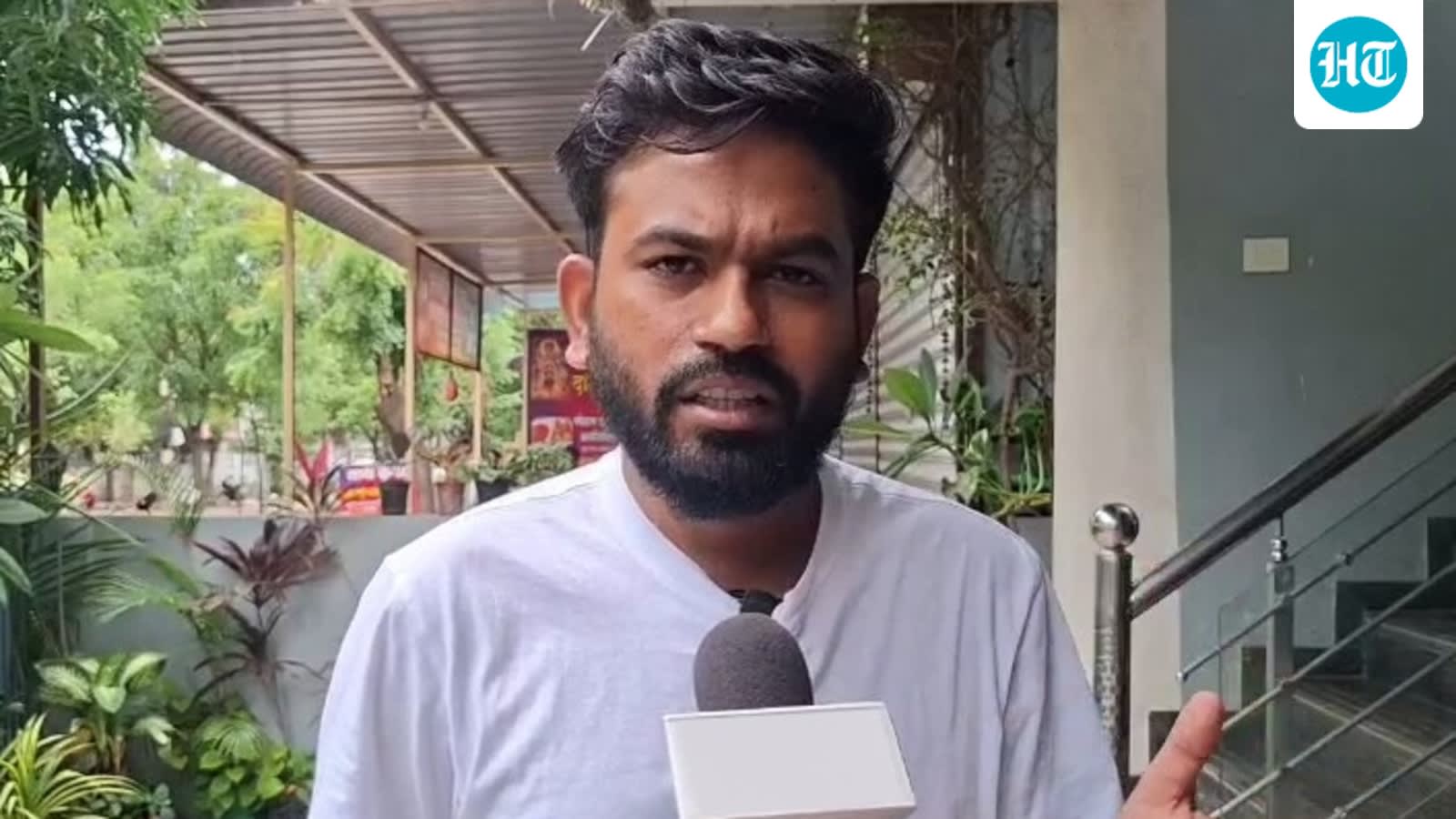
The Cockroach Janta Party (CJP) faces legal backlash following confrontational school inspections in Rajasthan and Maharashtra. Authorities have registered cross-FIRs after incidents involving allegations of intimidation, unauthorized filming, and property disputes.
Tensions Escalate as CJP Faces Legal Scrutiny Over School Inspections
The recent activities of the Cockroach Janta Party (CJP), led by convenor Abhijit Dipke, have triggered significant legal and social friction across Rajasthan and Maharashtra. In two separate incidents occurring in late August 2026, the party's attempts to inspect government educational facilities have resulted in police intervention, with authorities registering multiple FIRs against the outfit's members. These events highlight the growing volatility surrounding political groups conducting independent, often uncoordinated, oversight of public infrastructure.
The Jaipur Confrontation and School Relocation
In Rampura-Kanwarpura village near Jaipur, a visit by CJP members to a government school devolved into a heated confrontation between the activists and local residents. The CJP alleged that they were met with aggression from individuals they characterized as political opponents. Conversely, local villagers filed a complaint with the Shivdaspura police, claiming that the large influx of CJP members created an atmosphere of fear and intimidation. The incident necessitated police involvement, with cross-FIRs being filed by both parties to address allegations of assault and public disorder.
Infrastructure Crisis and Public Safety
The core of the Jaipur dispute stems from the dire state of the local government school. It was revealed that students had been forced to attend classes within a cattle enclosure due to the primary building being declared unsafe. This systemic failure of infrastructure provided the backdrop for the CJP's inspection. In the immediate aftermath of the unrest, authorities took action on August 22, 2026, to relocate the 20 affected students to a nearby vacant house, highlighting the urgent need for long-term solutions to school facility maintenance.
Legal Challenges in Latur
Simultaneously, the CJP faced legal repercussions in Maharashtra. At a Zilla Parishad school in Urdh Ausa, Latur, Convenor Abhijit Dipke and his associates, including Ajay Shinde, were booked by the Ausa police. The charges stem from an August 20 incident where the group allegedly entered school premises without authorization, confronted and questioned teachers in front of pupils, and recorded the proceedings for social media dissemination. The formal complaint, lodged by an official from the Zilla Parishad education department, underscores the conflict between political activism and the privacy of the educational environment.
Broader Implications for Political Activism
These incidents reflect a broader national trend where political organizations increasingly utilize direct action to highlight administrative failures. While public oversight is a democratic tool, the methods employed by the CJP have raised concerns regarding the disruption of academic environments and the potential for local instability. The shift from policy-based advocacy to on-the-ground, confrontational inspections poses significant challenges for local law enforcement, who must balance the right to protest with the maintenance of public order and the protection of vulnerable institutions like schools.
Future Outlook and Conclusion
As the legal proceedings in both Jaipur and Latur continue, the CJP will likely face increased scrutiny regarding their operational methods. The relocation of the students in Rajasthan serves as a reminder that behind the political theater of these confrontations lie genuine, urgent issues regarding public service delivery. Moving forward, authorities will likely implement stricter protocols for school access to prevent unauthorized disruptions, while political groups may need to recalibrate their strategies to avoid further criminal liability and ensure that their advocacy does not come at the expense of the very students they claim to support.
Multiple Citing Sources
Verification Required?