‘Will restore nationalism inside and outside campus’: Suvendu Adhikari after Jadavpur University clashes
Source Entity
Ravik Bhattacharya
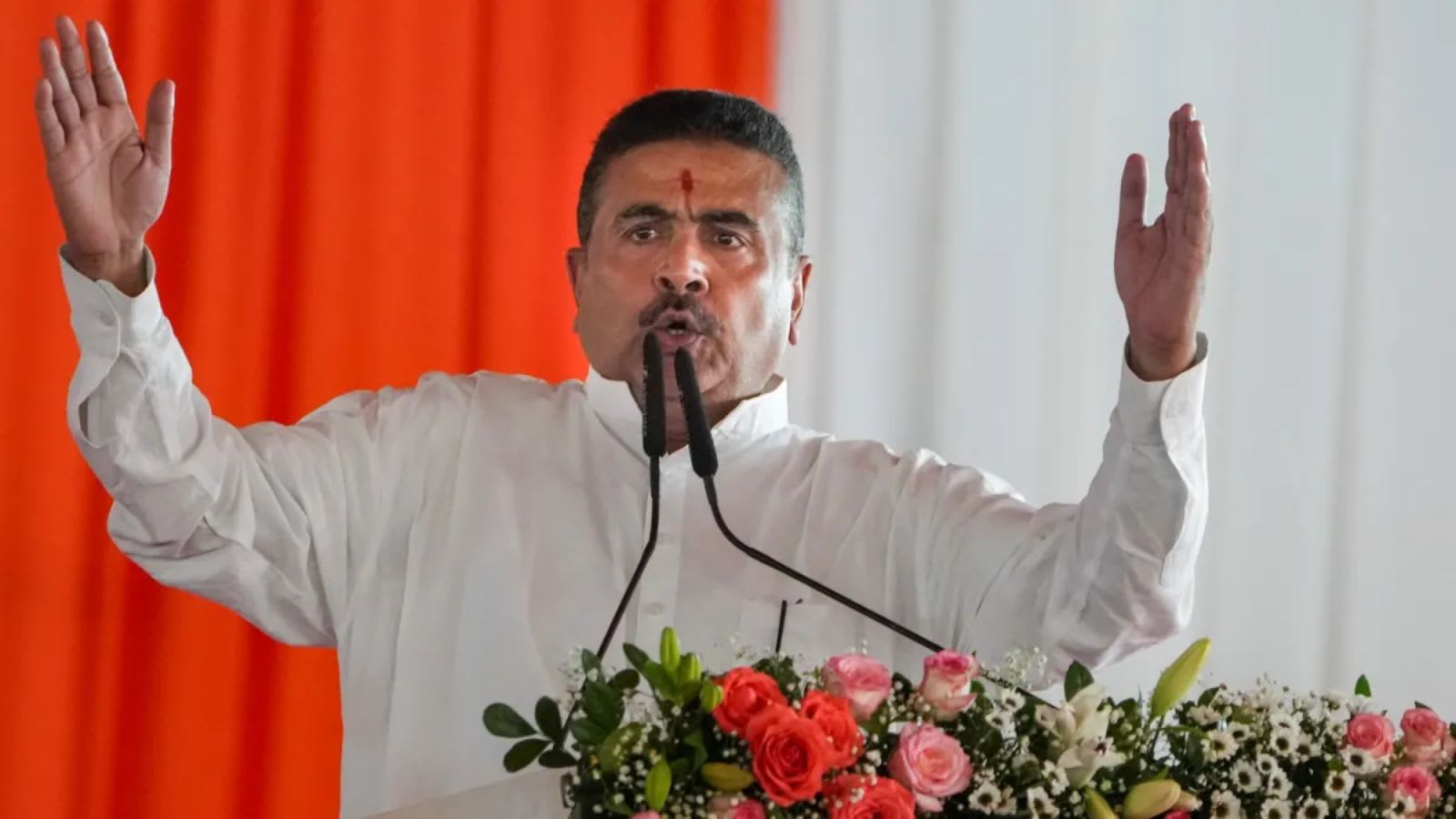
Tensions have escalated at Jadavpur University following violent clashes between student groups. Political figures have intervened, sparking debate over nationalism, academic autonomy, and the impartiality of internal inquiry committees.
Tensions Erupt at Jadavpur University: A Deep Dive
Recent events at Jadavpur University (JU) have thrust the institution into the epicenter of a heated ideological conflict. Following violent clashes between Left-leaning student organizations and activists affiliated with the Akhil Bharatiya Vidyarthi Parishad (ABVP), the campus has become a flashpoint for broader national debates regarding political expression, patriotism, and the role of state governance in academic spaces.
The Political Rhetoric of Nationalism
West Bengal political leadership has taken an aggressive stance in response to the unrest. Statements asserting that individuals must sing ‘Vande Mataram’ to reside in the state represent a significant escalation in the political discourse surrounding national identity. By framing the campus conflict as a struggle between 'nationalism' and 'anti-national' elements, the administration is signaling a shift toward a more prescriptive approach to public conduct and ideological alignment within educational institutions.
Challenges to Academic Governance
The attempt to resolve the conflict through internal administrative mechanisms has hit a significant roadblock. The Akhil Bharatiya Rashtriya Shaikshik Mahasangh (ABRSM), an RSS-affiliated teachers' organization, has formally challenged the constitution of the university's inquiry committee. By objecting to the appointment of Professor Shubha Shankar Sarkar as the committee chair—citing his past removal from the West Bengal Central School Service Commission—the ABRSM has effectively questioned the legitimacy and impartiality of the university’s investigative process.
The Intersection of Ideology and Administration
This dispute highlights the deep-seated polarization within the university's governance structures. When teachers' unions and student political wings prioritize ideological vetting of inquiry committees over established administrative procedures, the university's ability to function as an autonomous academic space is compromised. This deadlock prevents the objective fact-finding necessary to address the root causes of the violence that occurred on Wednesday and Thursday.
Broader Implications for Higher Education
The ongoing situation at Jadavpur University serves as a microcosm for the challenges facing public universities across the country. The push to enforce specific cultural or political mandates, coupled with the politicization of internal inquiry panels, suggests a future where academic institutions may increasingly become battlegrounds for state-level political agendas.
Conclusion and Future Outlook
As the standoff continues, the primary casualty remains the campus environment, which is currently defined by suspicion rather than scholarly discourse. The refusal of stakeholders to accept the current inquiry framework suggests that the path to resolution will likely require external mediation or a major restructuring of the investigative committee. Until then, the tension between traditional academic freedom and the imposition of nationalist mandates will likely continue to disrupt the educational activities at Jadavpur University.