FIR registered against Abhijeet Dipke for 'entering government school without permission, threatening teachers'
Source Entity
India Latest News: Top National Headlines Today & Breaking News | The Hindu
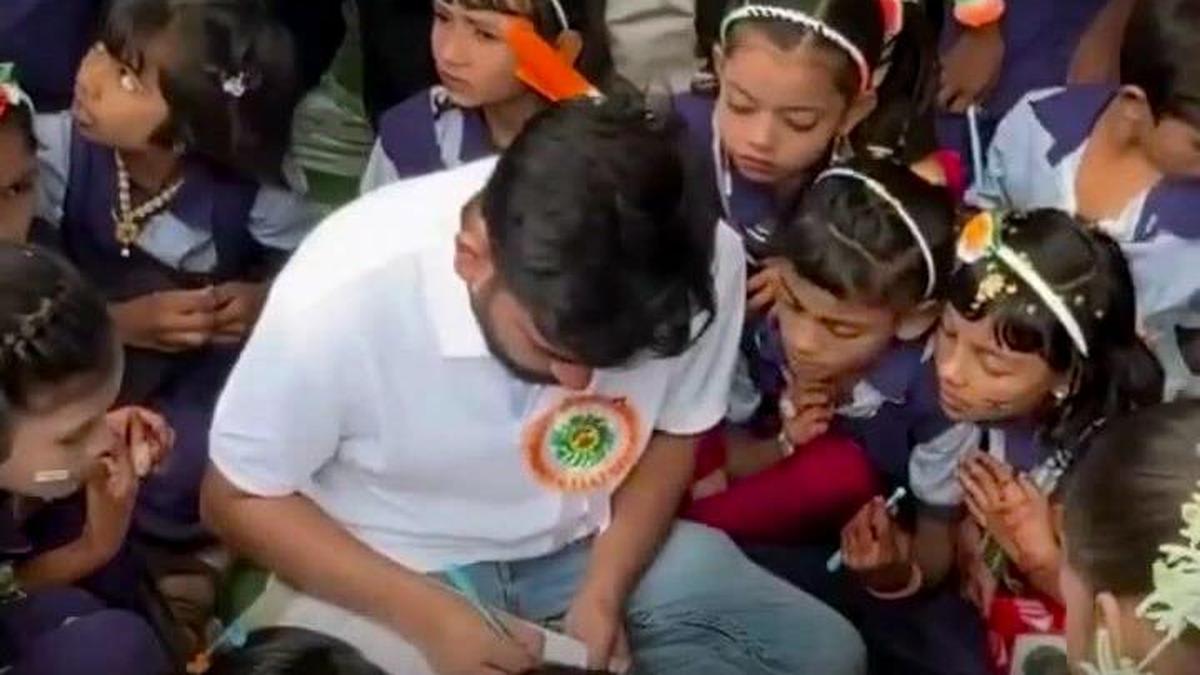
The Cockroach Janta Party (CJP) faces legal backlash following confrontational school inspections in Rajasthan and Maharashtra. Authorities have registered cross-FIRs after incidents involving allegations of intimidation and unauthorized filming of teachers.
Tensions Escalate as CJP Faces Legal Challenges Over School Inspections
Recent events involving the Cockroach Janta Party (CJP) have sparked significant public discourse, centering on the party's aggressive approach to educational oversight. In two separate incidents spanning Rajasthan and Maharashtra, CJP members have found themselves at the heart of legal disputes after attempting to conduct unannounced inspections of government schools. These encounters have resulted in a flurry of police activity, with cross-FIRs being filed as both the organization and local residents trade accusations of assault, intimidation, and unauthorized conduct.
The Jaipur Confrontation and Infrastructure Crisis
In Rampura-Kanwarpura village near Jaipur, the situation reached a breaking point on August 21, 2026. The CJP team arrived to inspect a government primary school, only to find the institution operating from a cattle enclosure due to the original 1999 building being declared unsafe. The subsequent confrontation between CJP activists and villagers—who alleged that the party members were creating an atmosphere of fear—led to a volatile environment. The incident highlights the precarious state of rural school infrastructure, as the administration was forced to relocate 20 students to a nearby vacant house following the unrest.
Legal Ramifications in Latur
Simultaneously, in Latur, Maharashtra, the leadership of the CJP has faced direct legal action. Convenor Abhijit Dipke, along with several associates, was booked by the Ausa police following a complaint from a Zilla Parishad employee. The allegations involve the unauthorized entry into a school, confrontational questioning of teachers in the presence of students, and the subsequent circulation of filmed footage on social media. This incident underscores the ongoing debate regarding the limits of political activism when it intersects with the sanctity of the classroom and the privacy of public servants.
The Intersection of Activism and Governance
These incidents reflect a broader tension between grassroots political intervention and official administrative processes. While the CJP justifies its actions as necessary oversight to ensure educational standards, local communities and government employees have characterized these interventions as disruptive and intimidating. The use of social media to broadcast these inspections creates a high-pressure environment that often exacerbates local anxieties rather than facilitating constructive policy change.
Broader Implications for Educational Oversight
The recurring theme of schools operating in dilapidated or makeshift conditions, as seen in the Jaipur case, points to a systemic failure in infrastructure management that political groups are increasingly exploiting for visibility. However, the reliance on confrontational tactics—such as filming teachers without permission—risks alienating the very educators who are tasked with managing these challenging environments. As legal investigations proceed, the focus will likely remain on whether political entities have the authority to bypass administrative protocols in favor of direct, often volatile, intervention.
Conclusion and Future Outlook
The current situation marks a critical juncture for the CJP and its operational methodology. With police investigations underway in multiple jurisdictions, the party will need to navigate the fine line between accountability-driven activism and criminal liability. Moving forward, authorities will likely be pressured to address the underlying infrastructure failures that invite such intense public scrutiny, while simultaneously establishing stricter boundaries for how external organizations engage with school staff and students.
Multiple Citing Sources
Verification Required?