Rahul Gandhi calls for ‘end to patriarchy’ at Pune event after PM Modi’s ‘cultural shock’ remark
Source Entity
Latest News: Todays Latest News Headlines from India & World | Hindustan Times | Hindustan Times
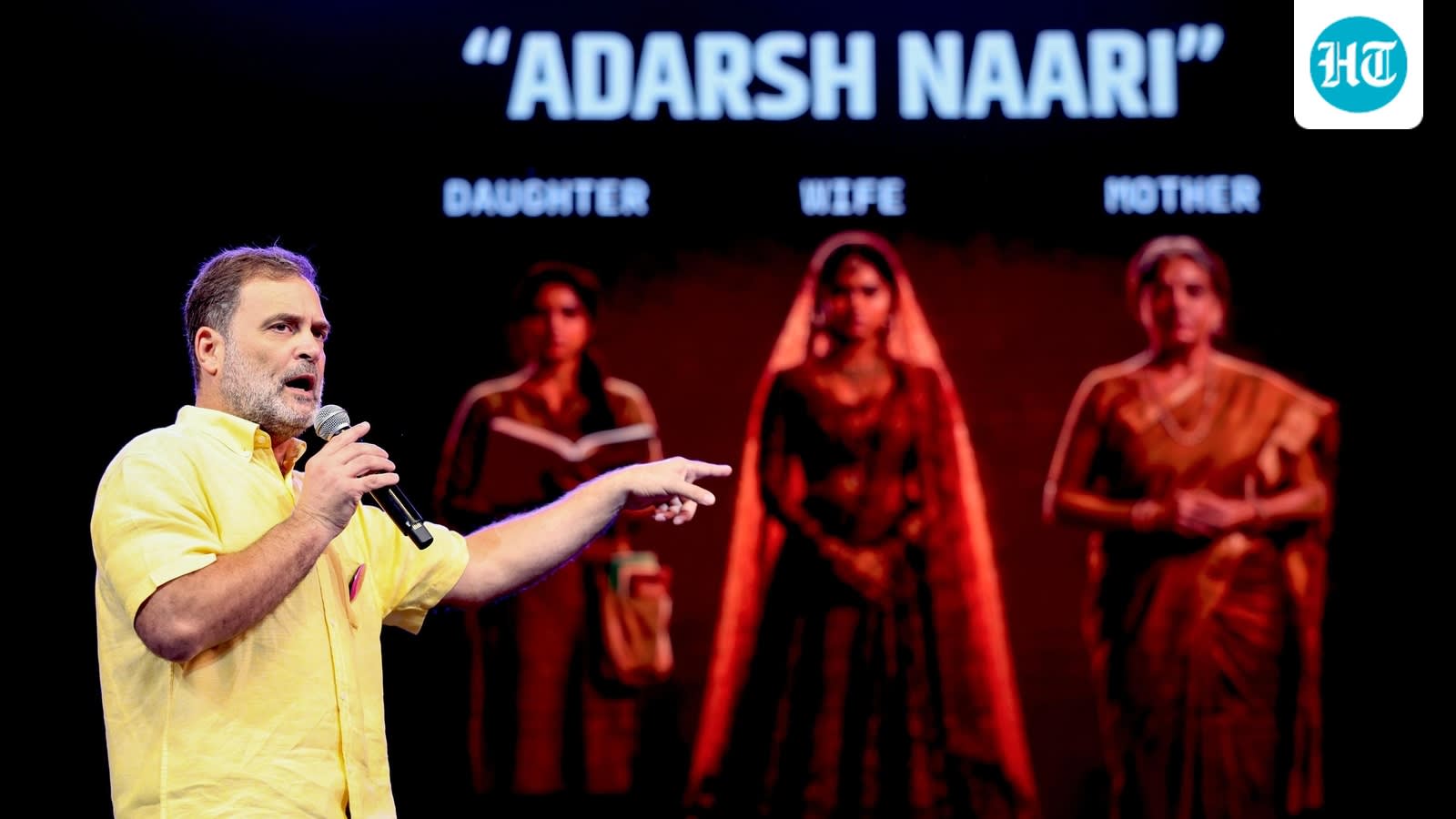
Rahul Gandhi's 'Chhatron Ki Goonj' event in Pune sparked a heated political debate after he urged Gen Z women to challenge patriarchal structures. While the Congress leader framed the event as an empowerment movement, the BJP dismissed it as a staged political comedy show.
Rahul Gandhi's Pune Outreach: A Clarion Call for Gender Equality
On August 22, 2026, Congress leader Rahul Gandhi addressed a large assembly of students at the AISSMS ground in Pune during his ‘Chhatron ki Goonj’ campaign. This event, marking his first such outreach in Maharashtra, served as a platform for him to issue a direct call to action for Gen Z women to "smash" patriarchal norms. By characterizing violence, disrespect, and social control as tools of suppression, Gandhi positioned women's autonomy as a central pillar of his political narrative, emphasizing that women belong to themselves rather than to male relatives.
The Historical and Ideological Critique
Central to Gandhi's address was his sharp critique of what he termed the "Manusmriti mindset." He argued that the current political climate, specifically under the BJP leadership, has seen a resurgence of restrictive societal codes that mandate women remain under the authority of fathers, husbands, or sons. By invoking this historical text, Gandhi attempted to frame the current governance as regressive, contrasting it with his vision of an egalitarian society where the 70 crore women of India are afforded greater importance and agency than their male counterparts.
The Jantar Mantar Controversy and Political Rhetoric
Gandhi’s address was not limited to abstract societal critiques; it included a direct confrontation with Prime Minister Narendra Modi’s public statements. By playing a video of the Prime Minister expressing "cultural shock" over the language used by female protesters at Jantar Mantar during the paper leak agitations, Gandhi sought to highlight a perceived disconnect between the government and the youth. He used this contrast to argue that the state’s focus on policing the behavior of young women distracts from the systemic failures in addressing legitimate grievances like exam integrity.
Polarization and Political Fallout
Predictably, the event ignited a fierce partisan battle. BJP Maharashtra vice-president Keshav Upadhye dismissed the gathering as a "political comedy show," alleging that the turnout was manufactured by transporting students via college buses. The BJP’s critique focused on the assertion that the event was a thinly veiled political rally rather than a genuine student interaction. This reaction highlights the high stakes of youth outreach in a critical state like Maharashtra, where both parties are vying for the support of a politically active younger demographic.
The Congress Counter-Narrative
In response to the BJP's accusations, Congress national secretary Sachin Sawant claimed that the ruling party’s harsh reaction was evidence that they were "shaken" by the event's success. The Congress party maintains that the overwhelming response from students in Pune demonstrates a growing disillusionment with the current administration. This exchange underscores the intensifying competition for the youth vote, as both parties utilize public forums to frame their respective ideologies regarding gender, social rights, and governance.
Conclusion and Future Implications
As the ‘Chhatron Ki Goonj’ campaign continues, it is clear that Rahul Gandhi is attempting to pivot the national discourse toward issues of identity and social reform. By centering the conversation on the autonomy of Gen Z women, he is attempting to build a coalition that transcends traditional voter blocks. However, the success of this strategy remains to be seen, as the BJP continues to challenge the authenticity and intent of these interactions, setting the stage for a prolonged ideological and political conflict in the lead-up to future electoral cycles.
Verification Required?