TMC rebels await official status after breaking off from Mamata Banerjee's leadership
Source Entity
Latest News: Todays Latest News Headlines from India & World | Hindustan Times | Hindustan Times
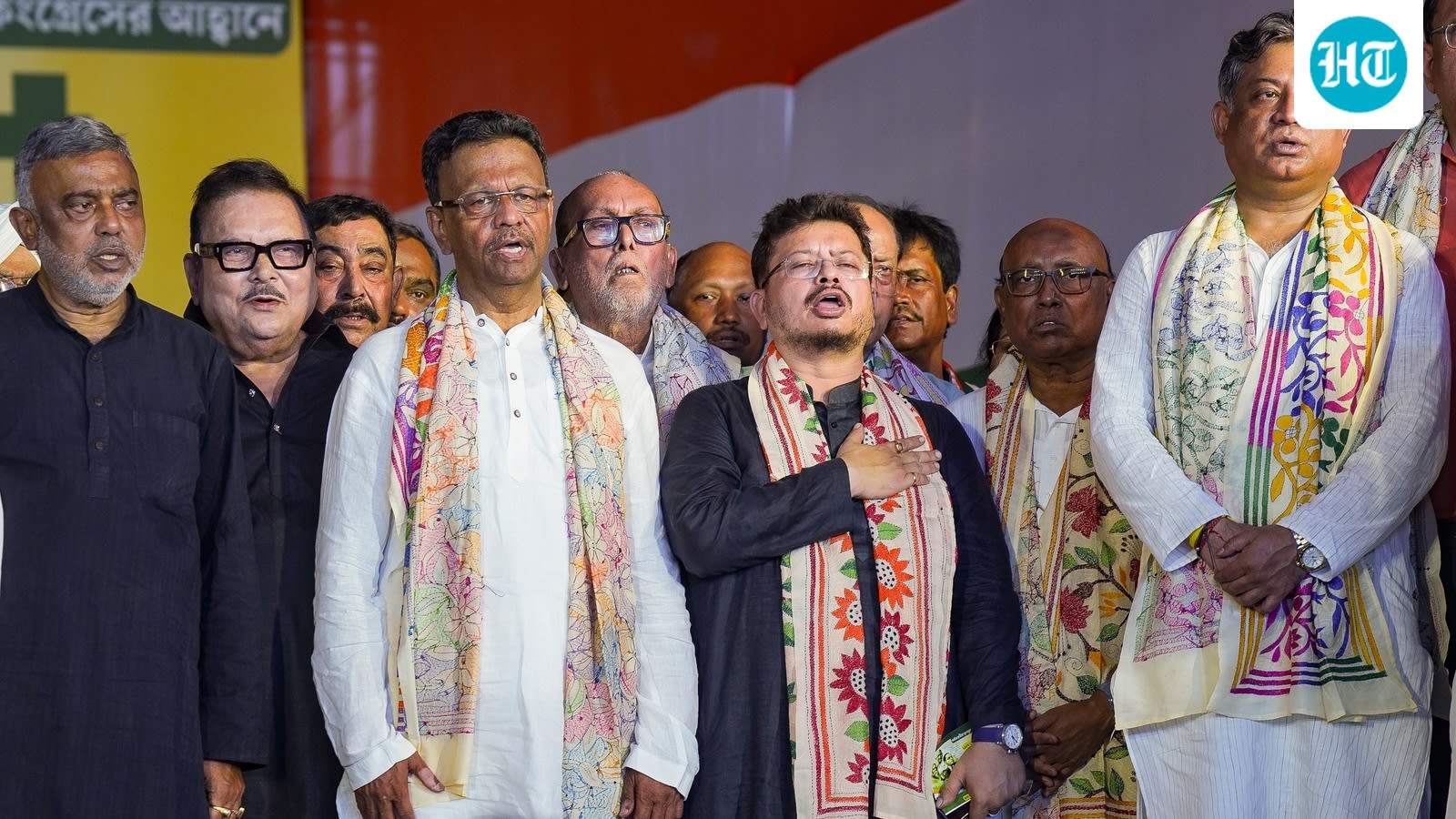
Rebel factions of the Trinamool Congress, led by Ritabrata Banerjee and Sudip Bandyopadhyay, face delays in securing official recognition. The groups are navigating complex legislative and parliamentary status hurdles while seeking to redefine their political affiliation.
The Trinamool Congress Factional Crisis: An Analysis of Legislative Uncertainty
The Fragmentation of Leadership
Recent developments within the Trinamool Congress (TMC) have unveiled a significant fracture in the party's organizational structure. Two distinct rebel factions have emerged, creating a volatile political climate in West Bengal. The first group, led by Ritabrata Banerjee, consists of 62 legislators in the West Bengal assembly, while the second group comprises 20 Members of Parliament (MPs) in the Lok Sabha under the leadership of Sudip Bandyopadhyay. This internal schism represents a critical challenge to the established order of the TMC.
The Struggle for Recognition
At the heart of this conflict is the battle for political legitimacy. Ritabrata Banerjee, serving as the Leader of the Opposition in the West Bengal assembly, is actively seeking to be recognized under the banner of the Trinamool Congress, despite the group's departure from the leadership of Mamata Banerjee. This maneuver suggests an attempt to retain the party's brand identity while operating outside of its traditional hierarchy, a move that complicates the administrative process for legislative recognition.
Parliamentary and Assembly Hurdles
The path to official recognition remains fraught with bureaucratic and procedural obstacles. Official sources indicate that there is currently no clear timeline for when the status of these two factions will be resolved. The 20 rebel MPs in the Lok Sabha have expressed an intention to merge with the Nationalist Citizens Party, a move that introduces further complexity regarding parliamentary ethics and anti-defection laws. The delay in resolving these matters leaves both the state assembly and the national legislature in a state of suspended animation regarding their official records.
Broader Political Implications
The implications of this rebellion extend far beyond the internal mechanics of the TMC. By challenging the unified front traditionally maintained by Mamata Banerjee, these rebels are effectively reshaping the political landscape of West Bengal. The potential for a formal split or a realignment with other political entities, such as the Nationalist Citizens Party, could fundamentally alter the power balance in the state assembly and potentially shift legislative priorities in the Lok Sabha.
Future Trends and Conclusion
As the situation develops, the primary concern for political observers will be how the respective presiding officers of the state assembly and the Lok Sabha interpret the legal standing of these factions. If the rebel groups succeed in their claims, it could lead to a permanent restructuring of the opposition. However, without official recognition, these factions risk political isolation. The resolution of this crisis will likely serve as a litmus test for the enforcement of party discipline and the interpretation of legislative rules in the face of internal party dissent.
Verification Required?