Reddy denied US visit, Gujarat CM cleared: Overseas Congress alleges ‘double standard’
Source Entity
KARAN MANRAL
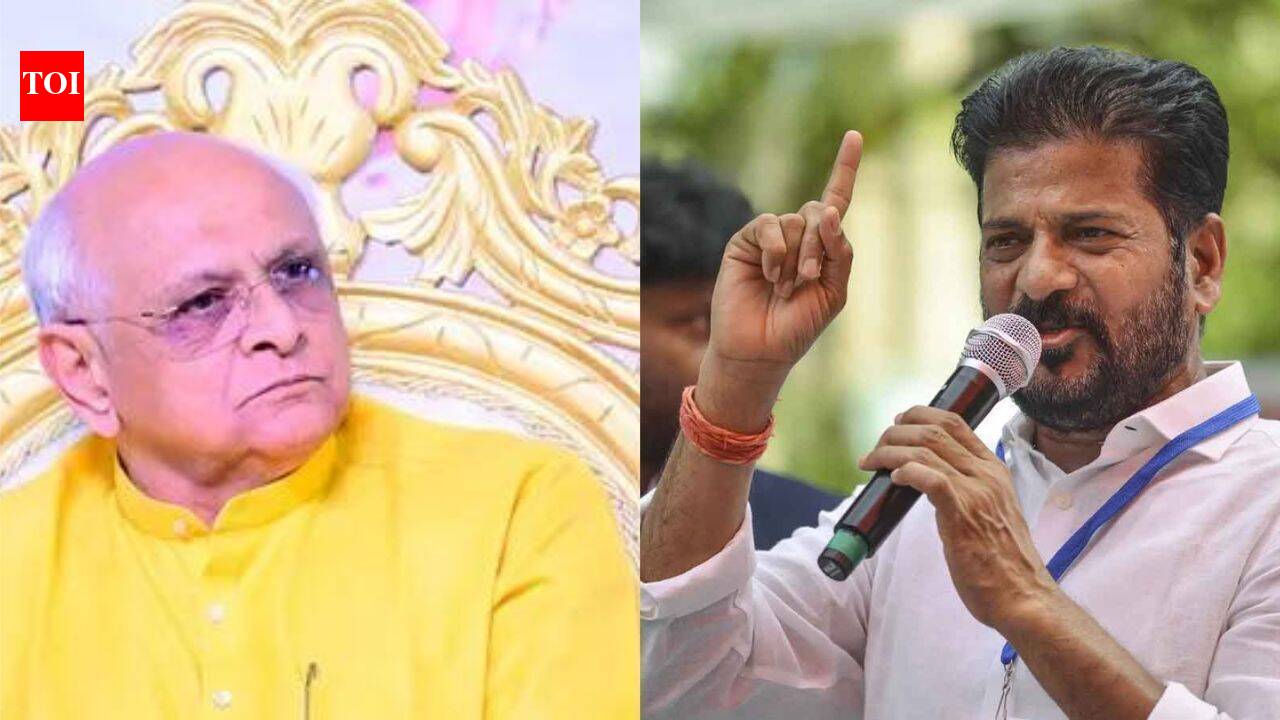
The Indian Overseas Congress has accused the U.S. government of double standards regarding visa approvals. This follows reports that Telangana CM Revanth Reddy was denied entry while Gujarat CM Bhupendra Patel received clearance.
Diplomatic Tensions: The Visa Controversy
The Indian Overseas Congress has recently raised sharp allegations regarding perceived diplomatic inconsistencies by the United States government. At the center of this controversy is the reported denial of travel clearance for Telangana Chief Minister Revanth Reddy, contrasted against the successful approval for Gujarat Chief Minister Bhupendra Patel to visit the United States. This discrepancy has sparked a heated debate regarding the criteria used by foreign governments when assessing the travel eligibility of high-ranking Indian state officials.
Analyzing the 'Double Standard' Allegation
The core of the grievance voiced by the Overseas Congress lies in the potential for political bias in visa issuance processes. By highlighting the variance in treatment between the two Chief Ministers, the organization is effectively arguing that the U.S. State Department’s vetting process may be subject to external influence or shifting geopolitical priorities. This narrative suggests that such decisions are not merely procedural but carry significant weight in the arena of international optics and domestic political legitimacy.
Geopolitical Implications and Administrative Hurdles
Visa denials for sitting Chief Ministers are rare and often carry profound implications for state-level diplomacy. When a state head is barred from visiting a major partner like the United States, it can disrupt investment outreach programs, bilateral trade discussions, and cultural exchanges that are vital for state economies. The Overseas Congress’s focus on this issue underscores the sensitivity of these administrative hurdles and how they are interpreted through the lens of partisan politics in India.
Historical Context of Diplomatic Access
Historically, the United States has maintained rigorous standards for visa approvals, often involving complex security and human rights vetting. While individual visa records are confidential, the public nature of these allegations forces a conversation about the transparency of the U.S. immigration system. The contrast between the two cases mentioned by the Overseas Congress serves as a catalyst for questioning whether the U.S. is applying consistent standards or if specific political affiliations or administrative interactions play a role in these high-stakes decisions.
Future Trends in State-Level Diplomacy
Moving forward, this incident may influence how Indian states approach international relations. If state leaders perceive a risk of arbitrary visa denials, they may shift their focus toward alternative global partners or demand more robust diplomatic support from the Union government. Furthermore, this incident highlights the growing role of political advocacy groups, like the Overseas Congress, in policing the international movements and diplomatic standing of Indian political figures.
Conclusion
The situation involving the conflicting visa outcomes for Revanth Reddy and Bhupendra Patel remains a point of contention. Whether this reflects a genuine bureaucratic inconsistency or a calculated diplomatic stance by the United States remains a matter of intense speculation. For now, the Overseas Congress has successfully brought the issue to the forefront of the political discourse, demanding greater clarity on the criteria governing the international travel of India’s constitutional authorities.