CJP convenor Abhijit Dipke booked over alleged school intrusion in Maharashtra’s Latur
Source Entity
Vallabh Ozarkar
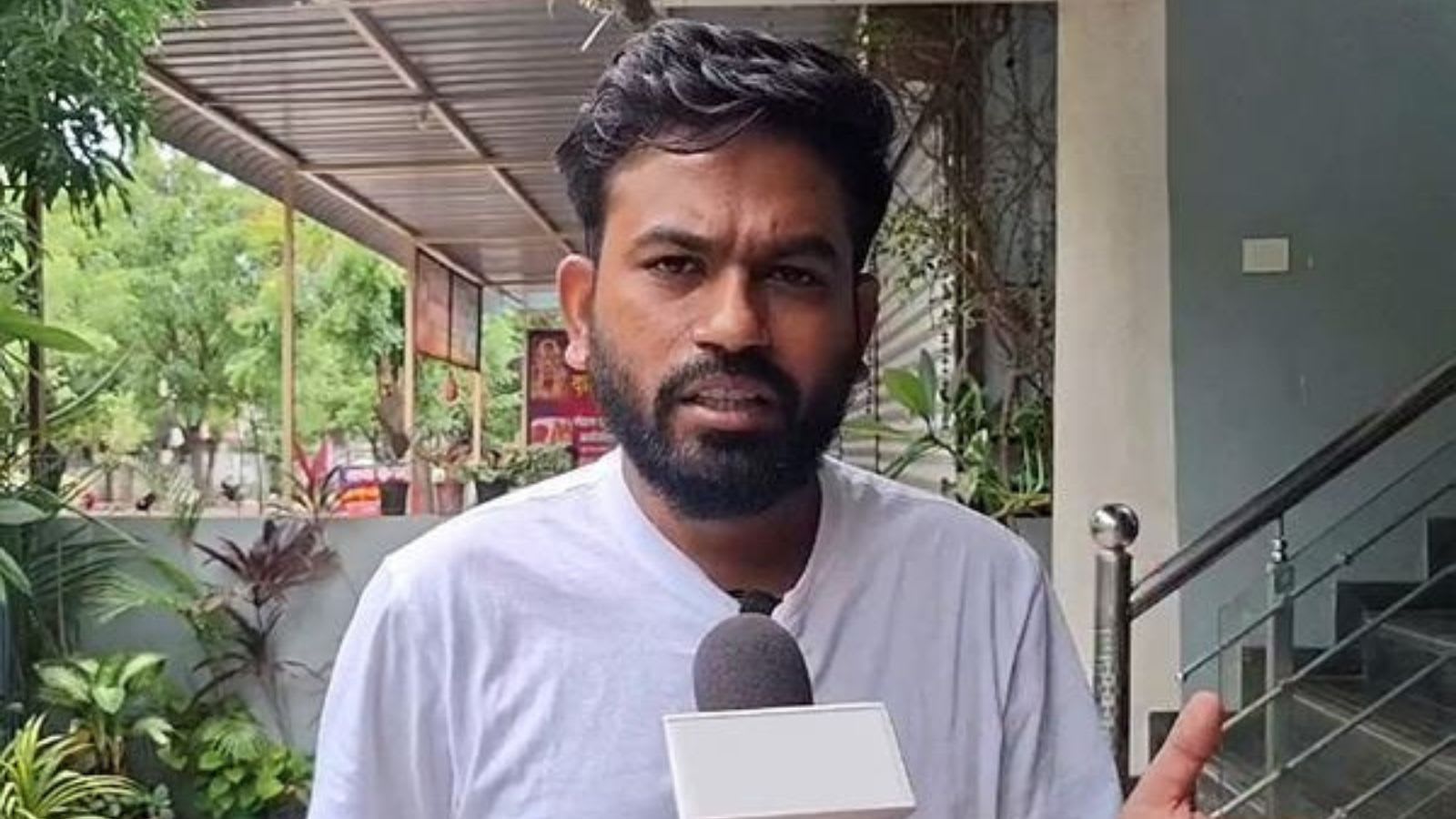
The Cockroach Janta Party (CJP) is facing multiple legal challenges following confrontational school inspection visits in Rajasthan and Maharashtra. Authorities have registered cross-FIRs after reports of intimidation, unauthorized entry, and disruption of educational activities.
Tensions Rise Over CJP School Inspection Campaign
The Cockroach Janta Party (CJP), led by founder Abhijeet Dipke, has recently become the center of significant legal and social controversy following a series of aggressive inspection visits to government schools. The party’s self-styled 'School Thik Karo' (Improve Government Schools) campaign, intended to highlight infrastructure and operational failures, has triggered a wave of police complaints and public confrontations across Rajasthan and Maharashtra.
The Jaipur Incident and Community Backlash
In Jaipur, the situation escalated on August 21, 2026, when a CJP team visited a government school in Rampura Kanwarpura that had been operating out of a cattle enclosure. The visit resulted in a heated confrontation between party members and local villagers. The CJP alleged that they were met by "BJP goons," while local residents filed a complaint with the Shivdaspura police, claiming that the large gathering of CJP members created an atmosphere of fear and intimidation. The subsequent filing of cross-FIRs underscores the volatile nature of these interventions.
Legal Escalations in Latur
Simultaneously, the CJP is facing legal trouble in Latur, Maharashtra. Founder Abhijeet Dipke and his associates, including Ajay Shinde, were booked at the Ausa police station following a complaint by a 53-year-old Zilla Parishad education department employee. The charges stem from an August 20 incident where the team allegedly entered a Zilla Parishad school without authorization, disrupted ongoing classes, and aggressively questioned teachers in front of students while filming the interaction for social media dissemination.
The Intersection of Activism and Intimidation
These incidents highlight a growing conflict between political accountability campaigns and the professional autonomy of educational institutions. While the CJP asserts that their actions are necessary to expose the dilapidated state of public infrastructure—such as the school in Jaipur that was only relocated to new premises after the controversy erupted—critics argue that the methods employed by Dipke and his team border on harassment. The act of filming teachers and posting footage online has been labeled as a form of "public shaming" by education officials.
Broader Implications for Educational Governance
The pattern of these events suggests a trend where political actors leverage social media to bypass traditional grievance-redressal mechanisms in favor of direct, confrontational action. By targeting vulnerable institutions like Zilla Parishad schools, the CJP has forced local administrations to react defensively. While these visits may bring immediate attention to school conditions, the legal ramifications—including multiple FIRs—suggest that such tactics are increasingly being viewed as disruptive rather than constructive by both local communities and law enforcement.
Future Outlook and Regulatory Challenges
As investigations continue in both Latur and Jaipur, the future of the 'School Thik Karo' campaign remains uncertain. The legal scrutiny now facing the CJP leadership may serve as a deterrent for similar political stunts in the future. Moving forward, the focus will likely shift toward whether political outfits can find a balance between highlighting systemic failures in the public sector and respecting the legal and social boundaries required to maintain a functioning, safe educational environment.
Multiple Citing Sources